The quiet before the unprecedented
Five days remain before the 2026 World Cup kickoff, and the mood among the squads is less about tactical refinement and more about managing the physical tax of a brutal season. We are operating in a climate of exhaustion. Players who have slogged through sixty-match campaigns are now being asked to peak for a tournament that has bloated to 48 teams, a format shift that feels less like an evolution and more like a gamble with the product.
The physical toll is already visible. Germany, for instance, has lost forward Lennart Karl to a thigh injury, a subtraction that disrupts their front-line fluidity just as they arrive on North American soil. Even outside the locker room, the chaos is persistent. Former Socceroos keeper Mark Bosnich is now facing surgery after a promotional penalty shootout left him with a ruptured quadriceps. It is a grim reminder that in these final five days, the greatest danger to a team is often the simple, stupid accident.
The shadow of external noise
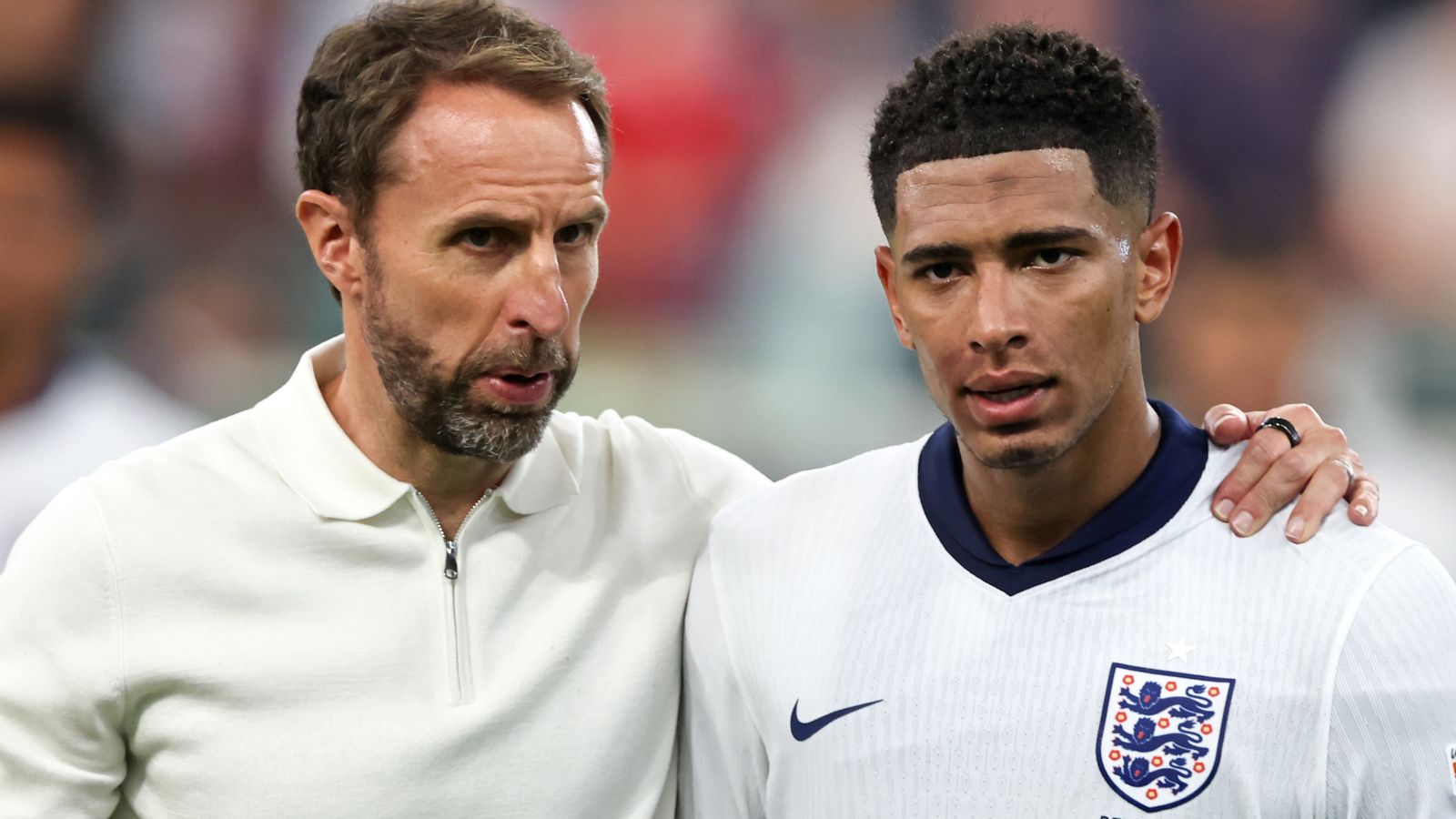
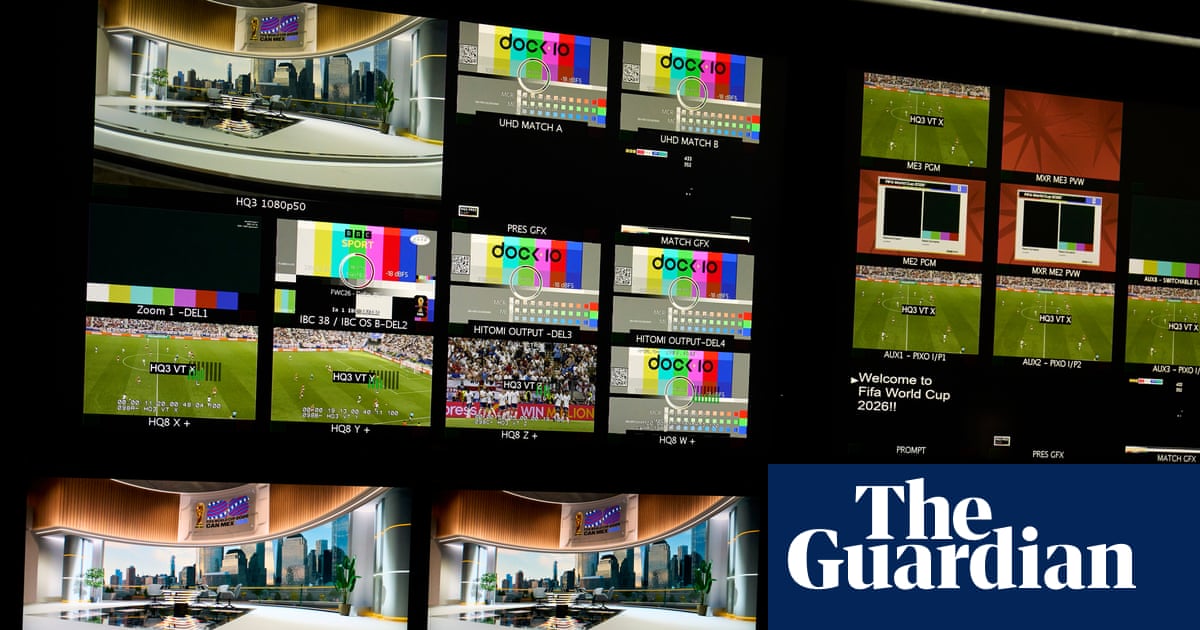
England enters this cycle under the stewardship of Thomas Tuchel, who insists Harry Kane is in top shape. As The Guardian reported, Tuchel is betting on the Bayern Munich striker’s conditioning to carry a team navigating the dual distractions of a frenetic transfer window. The skepticism surrounding this England setup is grounded in history, but there is also the noise of the broadcasting booth. Laura Woods has become a lightning rod for debate, and her prominence in the media cycle threatens to suck the air out of the room before a ball is even kicked.
Meanwhile, the women’s international game provides a sobering contrast to the corporate excitement of the men’s tournament. The Lionesses were recently dismantled 4-0 by Spain in Mallorca, leaving their qualification path for 2027 in ruins. The defeat showcased a chasm in class that Sarina Wiegman must bridge, yet current discourse is dominated by the looming, money-bloated men’s spectacle.
What the 48-team format hides
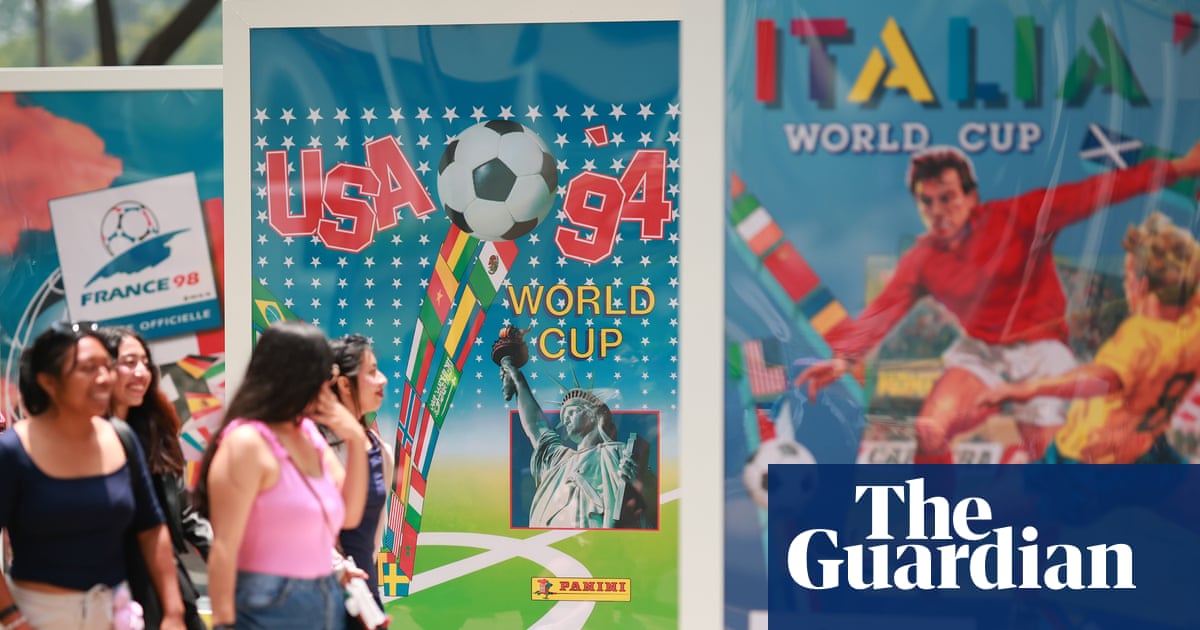
The 2026 expansion is designed to maximize revenue, but the athletic consequence is a dilution of quality that veterans of the 1994 tournament would barely recognize. FIFA has published extensive data on player pay-outs, calculated to the exact minute of tournament participation, which highlights exactly where their priorities lie. When you turn the World Cup into a marathon that demands three games just to escape a group of three, the tactical game plan goes out the window.
Spain, led by the youthful brilliance of Lamine Yamal and Nico Williams, appears to be the only squad ready to navigate this dilution. Expert analysis places them right behind the French in terms of raw depth. For others, the next month will likely be defined by attrition. Watching a squad survive sixteen extra games against middle-tier opposition is not a recipe for a compelling final, yet that is the reality of the 48-team bracket.
The final countdown
Expect the first week to be defined by cagey, low-risk football as the bigger nations attempt to park the bus for 90 minutes. The expanded format incentivizes defensive rigidity because even a draw or a narrow loss in an opening game can be mitigated by later results in this bloated field. We are about to witness a tournament where managing energy levels is more important than pure tactical dominance. By the time the third group game arrives for most teams, the spectacle will likely give way to pure, unadulterated fatigue.
Read Next