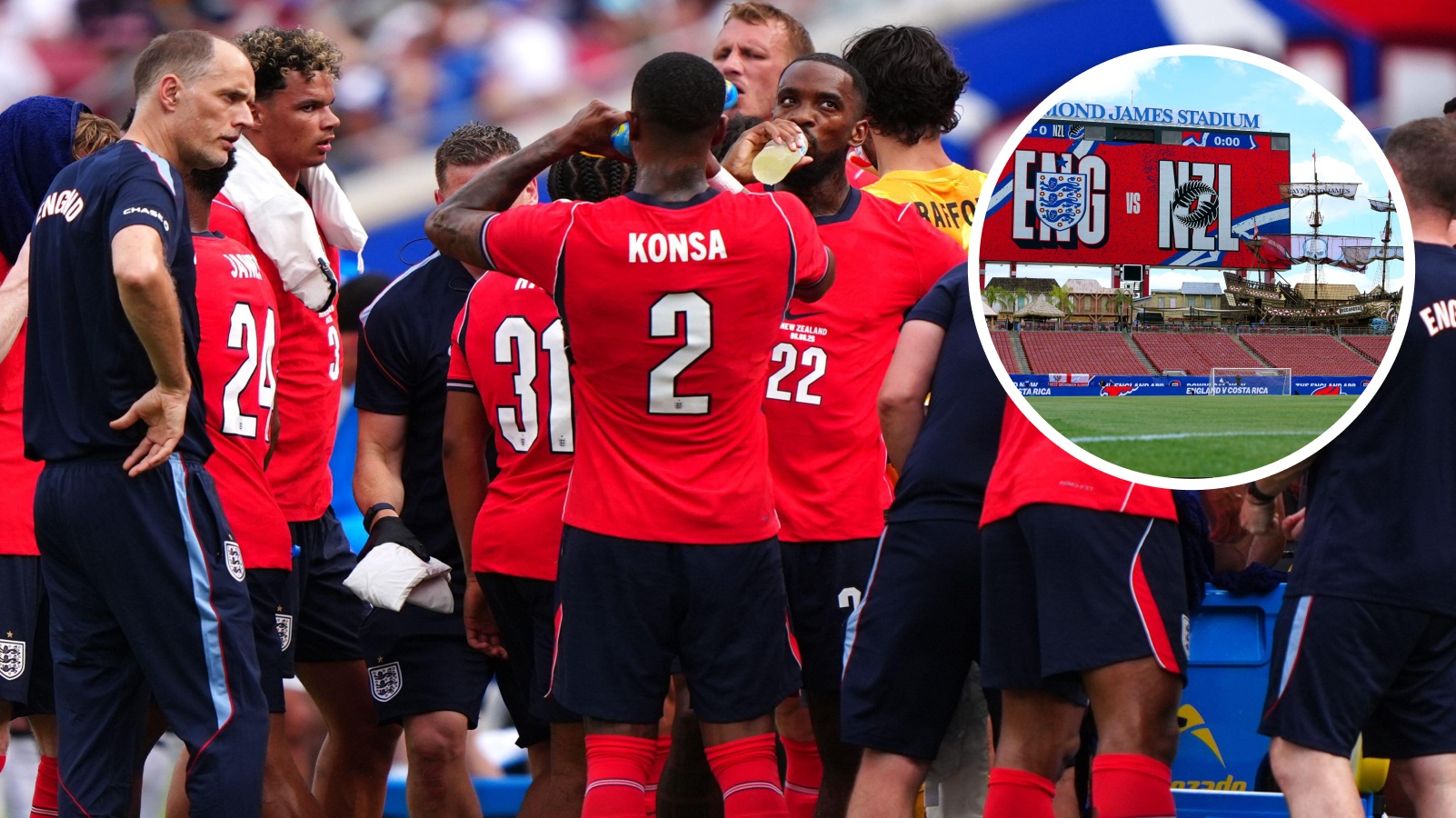
Tactical experiments and physical tolls in Tampa
England secured a 1-0 victory over New Zealand at Raymond James Stadium on Saturday, but the result felt secondary to the fitness management of the squad. With the FIFA World Cup kickoff just 3 days away, manager Gareth Southgate utilized the friendly to assess depth, ringing in 11 changes at half-time. The rotation served as both a tactical reset and a preservation exercise for a squad accustomed to the grinding pace of the Premier League.
Despite the win, observers noted lingering issues regarding player sharpness and the physical toll of rapid-fire adjustments. Southgate's decision to cycle the entire starting XI suggests the staff are wary of muscle fatigue before the tournament begins. The match turned on a Harry Kane strike, but the broader narrative involves the squad's physical ceiling under a compact training timeframe.
The hidden cost of the pre-World Cup run
Reports from the stadium highlighted concerns regarding individual performance levels, with some stars appearing isolated on the pitch. Daily Mail player ratings flagged a specific performance that left fans questioning the player's readiness for the group stages. If a key starter cannot navigate a low-stakes friendly without visible difficulty, the bench depth becomes the primary point of failure for the campaign.
Beyond the fitness concerns, the match environment drew criticism for off-pitch management. Supporters in Florida were reportedly blindsided by scandalous drink prices inside the venue. While the FA focuses on the pitch, these logistical friction points rarely help the atmosphere or player morale in a foreign environment.
Strategic risks of the current rotation
England dominated possession, yet struggled to find a second goal against a resolute New Zealand defensive block. The inability to kill off the game after Kane’s opener suggests the final third chemistry remains a work in progress. When tactical substitutions become a necessity due to fitness, the rhythm of the game often suffers, leading to disjointed attacking patterns.
Historically, pre-tournament friendlies function as a warning signal for national teams. Over-rotation frequently masks deeper issues in squad hierarchy. If Southgate is still relying on mass wholesale changes at half-time three days before the World Cup, the starting XI is still not solidified in his mind or the players' legs.
The match served its goal of managing minutes, but the lack of fluid transitional play remains a valid point of critique ahead of the opener.
The squad now faces a tighter timeline to harmonize. Every training session between now and the group opener is vital. If they cannot convert chances more efficiently, the reliance on top-tier strikers like Kane becomes a systemic dependency that savvy opponents will look to exploit in the knockout rounds. The focus now shifts exclusively to the training pitch as the 72-hour window toward the tournament kickoff begins to close.