The glaring oversight in Gareth Southgate's midfield
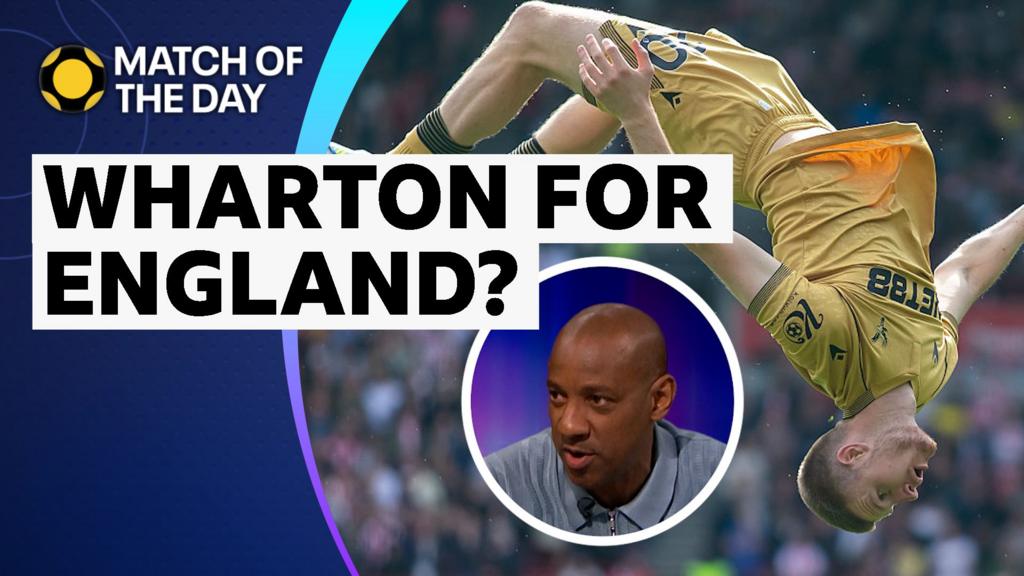
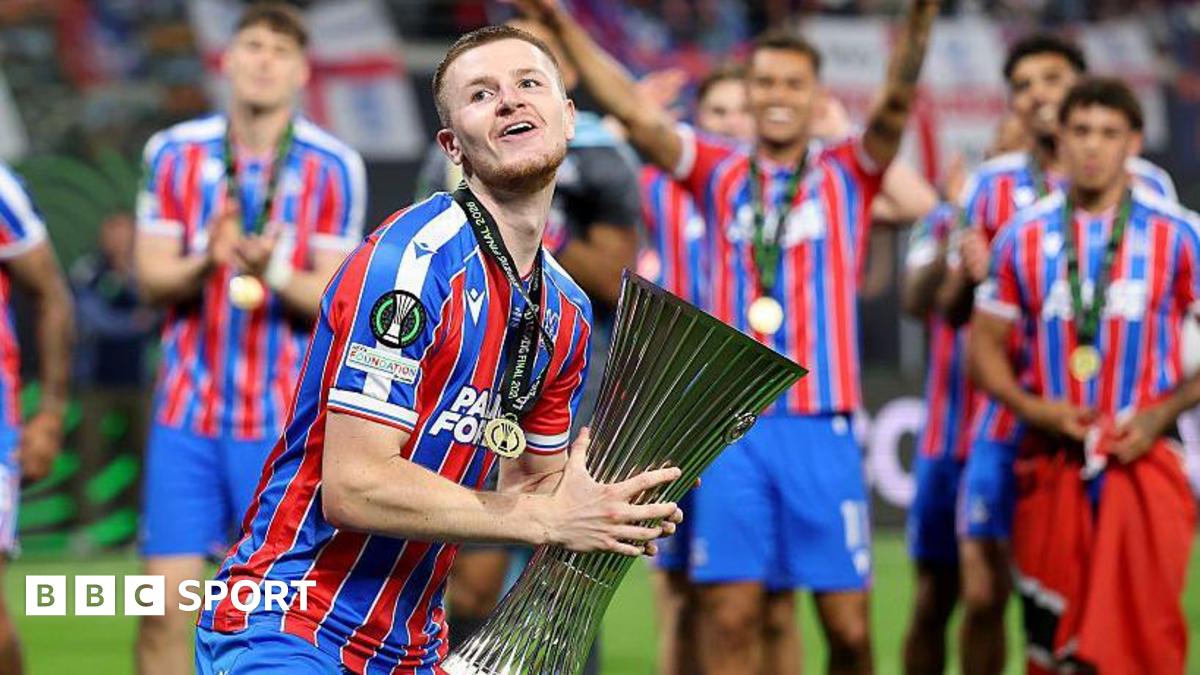
Adam Wharton ended his debut Premier League campaign with a performance that highlights why England's omission of the Crystal Palace midfielder remains a massive talking point heading into the summer. Palace secured a European trophy in the final week of May, capping a meteoric rise for the midfielder who only moved to Selhurst Park from Blackburn Rovers in January.
While the focus shifts to the upcoming international fixtures, the decision to leave Wharton out of the provisional squad has drawn sharp criticism. Analysts point to his distribution metrics; he is currently posting a pass completion rate that rivals seasoned veterans, yet he was passed over for more traditional defensive options. This absence creates a rigid tactical look for the national team that many experts believe will hinder ball progression against deep-block opponents.
Tactical rigidity vs. creative flow
The tactical argument against Southgate centers on a reliance on double-pivot stalwarts who struggle when the opposition presses high. As the BBC reported, Wharton offers a specific profile of a deep-lying playmaker capable of splitting lines with minimal touches, a skill set that was noticeably absent during recent qualifiers.
Historically, teams that win major tournaments rely on a balance of defensive stability and midfield tempo control. England has opted for the former at the expense of the latter. By sidelining a player who seamlessly transitioned from the Championship to European-standard performance under Oliver Glasner, the staff has arguably prioritized experience over current technical output. This is a recurring issue, reminiscent of selections in previous cycles where form was ignored for established squad presence.
The strategic risk for the World Cup
With the 2026 World Cup kickoff scheduled for June 11, 2026, England is running out of time to adjust. The risk here is not just about missing a single player; it is about the structural inability to pivot when behind in a high-stakes bracket match. If the midfield stalls, the lack of a creative release valve from the deep position will be the primary talking point of any early exit.
Questions regarding the squad depth remain unresolved. If an injury forces a change in the starting lineup, the personnel available to step in do not share Wharton's specific aptitude for recycling possession under pressure. This leaves the side vulnerable in the middle third.
A look ahead at the remaining timeline
The squad is now locked for the immediate training camp, meaning there is no path back for those left out unless a secondary medical crisis emerges. The lack of inclusion is not due to a physical setback—Wharton is fit and in peak condition, finishing the season with zero significant injuries since his winter move.
His exclusion feels like a failure of scouting integration between the lower leagues and the senior setup. Coaches outside the immediate England bubble have been vocal about the maturity Wharton showed in his 16 appearances for Palace. The 22-year-old will have to wait for the post-tournament cycle to make his case again, but the missed opportunity to integrate him into the world stage during his breakout season represents a missed beat in England's strategic planning.
Read Next
- Thomas Tuchel's World Cup squad choices are inviting disaster
- Crystal Palace sweat on midfield duo ahead of Conference League final
- Phil Foden's World Cup omission is a purely statistical byproduct
- Crystal Palace are gambling on fitness before the final stretch
- 🏆 World Cup 2026 — Full Coverage Hub
- 🏴 England World Cup 2026 — Three Lions Hub