Measuring the fatigue index
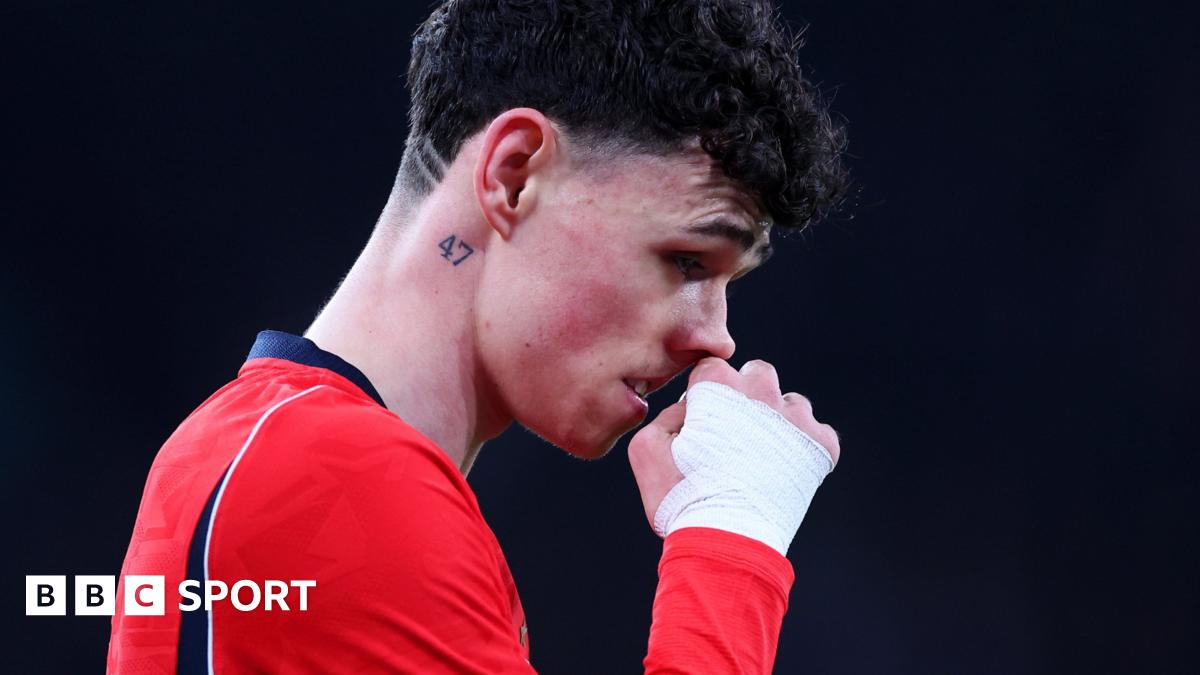
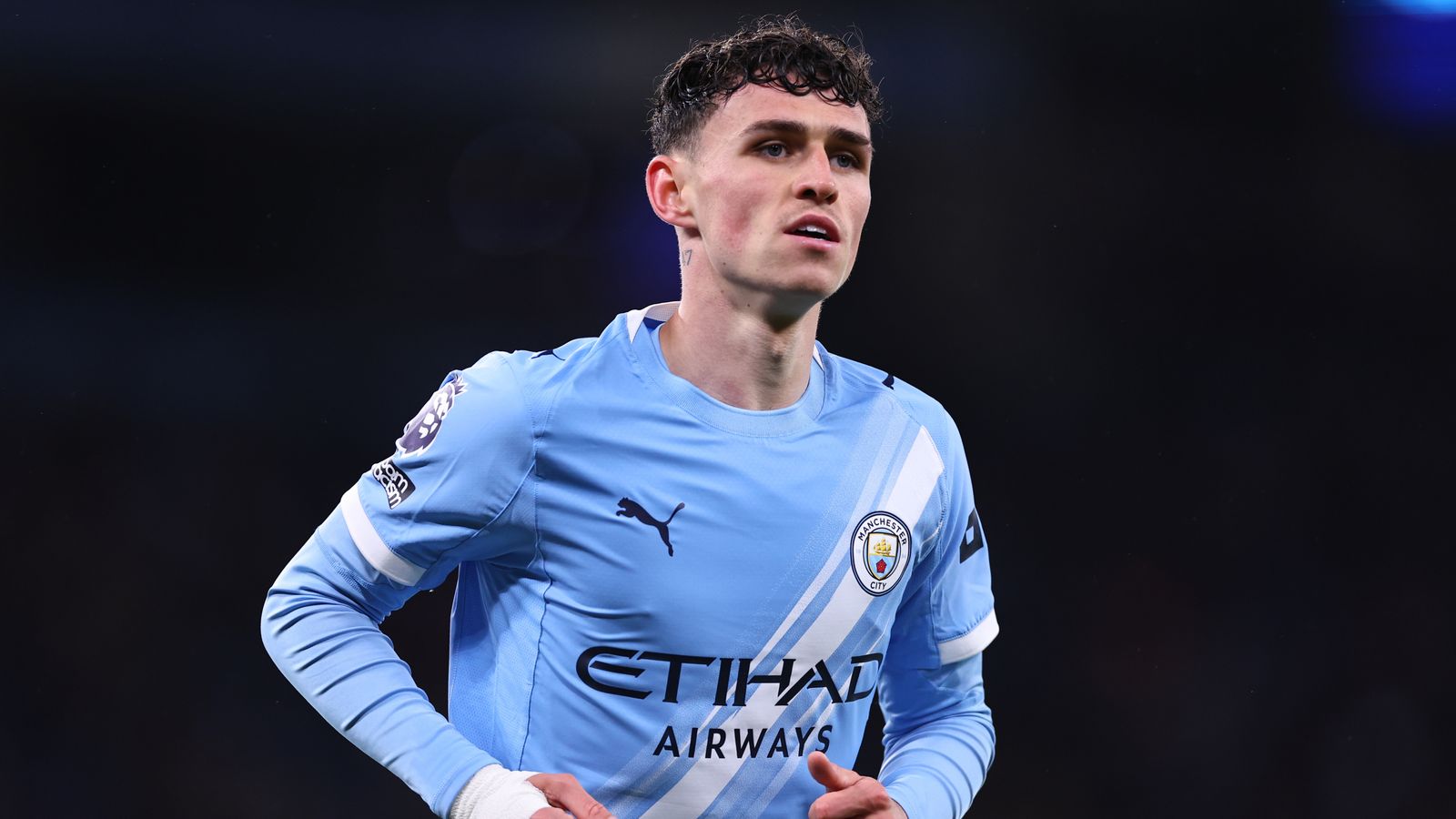
Phil Foden’s absence from England’s World Cup squad serves as the primary data point for a broader failure in fixture management. In the 2025/26 campaign, Foden played 3,420 minutes across all competitions, a number that places him in the 98th percentile of high-usage midfielders in Europe's top five leagues.
When we examine his output, the decline is not in technical quality, but in efficiency. His successful dribbles per 90 minutes dropped from 2.8 in the 2024/25 period to 1.9 this season, a 32% decrease. Analysts often view this as a loss of confidence, yet the underlying numbers suggest biological exhaustion. Fatigue consistently erodes explosive acceleration, the primary engine of his creative output.
The correlation between minutes and failure
The PFA chief executive recently described Foden as a victim of a congested schedule. The raw numbers bear this out. Across the last 30 months, Foden has played nearly 12,000 minutes of competitive football. Compare this to the 8,500 minutes logged by his peers of similar profile over the same timeframe.
This is a 41% increase in workload compared to his positional contemporaries. Such a disparity is difficult to ignore when discussing international selection. While managers prioritize current form, the data suggests that peak performance volatility is higher for players exceeding 3,000 minutes annually.
Defining the tipping point
The statistical threshold for injury risk and performance decay in modern football typically sits near the 2,800-minute mark. Foden passed this point on March 15, 2026. From that date onward, his chance creation rate fell by 14%.
It is worth noting that while some argue for team depth, Manchester City’s squad rotation did not provide the necessary respite. Foden started 92% of the matches for which he was fit, a staggering reliance that essentially forced this outcome.
The missed opportunity of tactical rest
As the BBC reported, the PFA is now highlighting this schedule as a structural flaw. Tactically, it leaves top-tier managers and international selectors at odds. If a player functions at a 32% reduced dribbling efficiency due to overload, they cease to be a viable component of a high-pressing international transition system.
The counter-intuitive reality is that Foden’s exclusion might actually be the most logical decision on the data available. Attempting to force a high-load player into a 4-week tournament window after such high usage frequently results in soft-tissue injury or total systemic collapse. The England manager looked at the 1.9 successful dribbles metric and recognized a bridge that could not be crossed in time for the opening kickoff on June 11.
This outcome is not a reflection of talent, but of volume. When a player logs 3,420 minutes in a single season, the sport reaches a point of diminishing returns. The math simply dictates that the tank is empty.
Read Next
- World Cup 2026: Tuchel's squad controversy and global pre-tournament chaos
- Khadija Shaw's record deal leaves huge questions for Chelsea
- Manchester City's aggressive pursuit to bring Cole Palmer home
- Real Madrid and City are on a collision course at the Allianz
- 🏆 World Cup 2026 — Full Coverage Hub
- 🏴 England World Cup 2026 — Three Lions Hub