A Declaration of War on Talent
Thomas Tuchel has lost his mind. There is no other way to frame it.
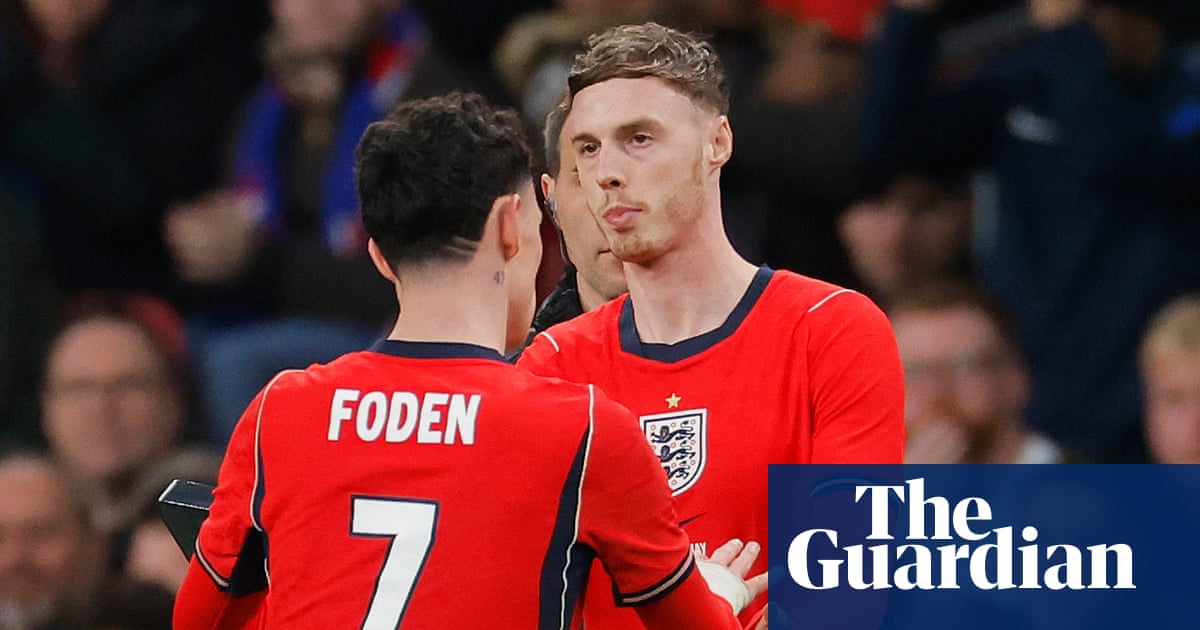
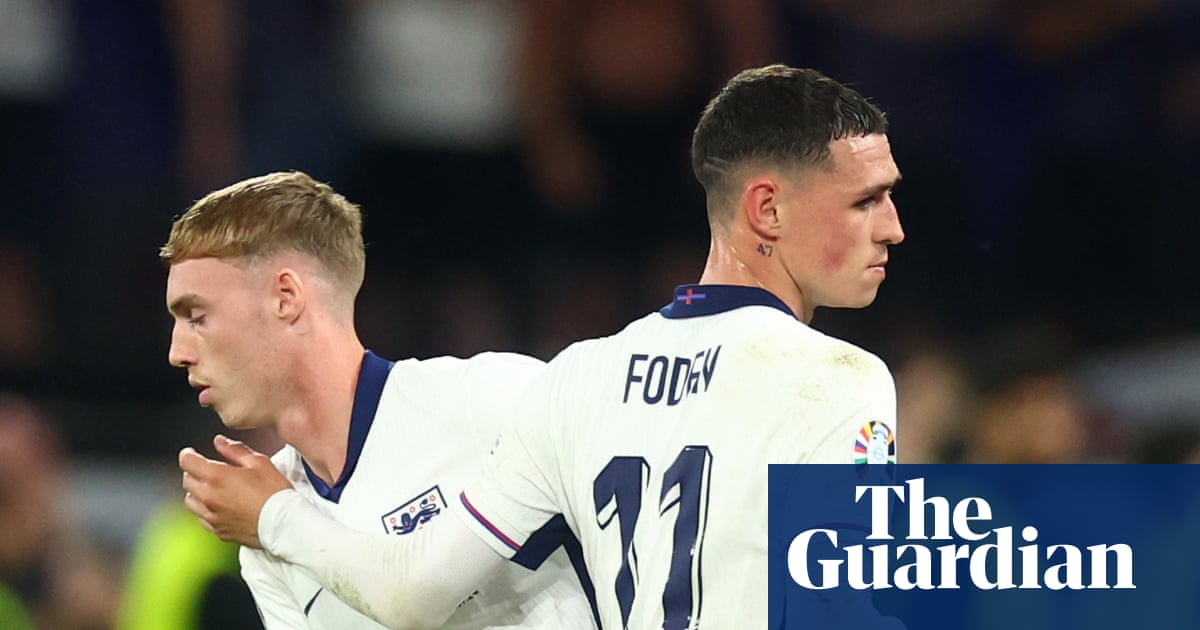
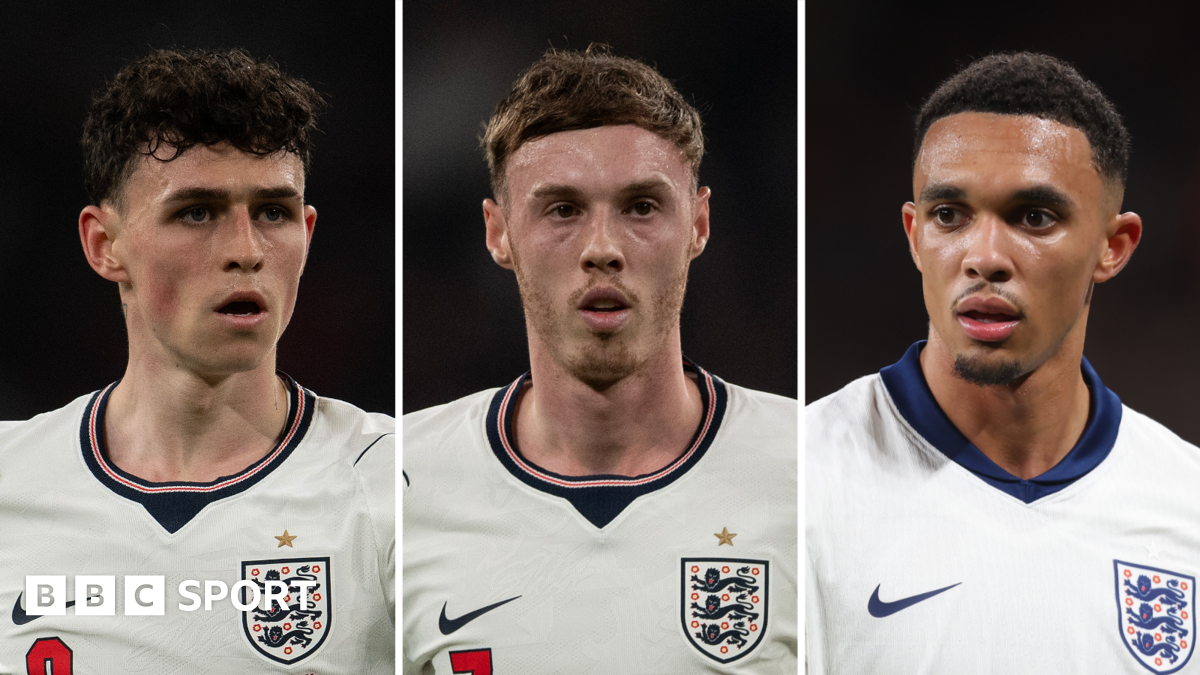
When the 26-man England squad for the 2026 World Cup dropped this morning, the omission of a few fringe players was an expected reality. What we got instead was a systemic, ruthless purge. Phil Foden, Cole Palmer, and Trent Alexander-Arnold have all been left at home, as confirmed by the official announcement. Three of the most gifted, technically sound footballers this country has produced in a generation are going to be watching the tournament from their living rooms.
This isn't a minor tactical tweak. It is a massive, arrogant bet by a manager who believes his rigid system is inherently superior to individual brilliance.
Tuchel has fundamentally altered the DNA of this England team just twenty days before the tournament kicks off in North America on June 11. He is playing an extremely dangerous game.
The Foden Conundrum Simply Ignored
Let's start with Foden. For years, the loudest debate in English football has centered around how to maximize his output in an international shirt.
Under Gareth Southgate, Foden was often marginalized. He was shoved out to the left flank and asked to play a role that blunted his generational talent. Fans screamed for him to play centrally. Tuchel apparently looked at the equation and decided it wasn't worth his time, cutting him from the 26-man list entirely.
Foden dictates the tempo of the Premier League under Pep Guardiola. He manipulates the ball in tight spaces better than anyone else available to the national side. But international football under Tuchel is a pragmatic, unforgiving environment.
The German manager demands aggressive counter-pressing. He wants strict positional discipline and a physical robustness that Foden sometimes lacks in scrappy, broken fixtures. By dropping him entirely, Tuchel is handing the creative keys to Jude Bellingham with absolutely no safety net.
It is a staggering oversight. What happens if Bellingham has a quiet game? What happens if an opponent successfully man-marks the Real Madrid midfielder out of the match? England suddenly has no secondary metronome to dictate the play.
The Coldest Snub in History
If Foden's absence is a cold tactical choice, leaving out Cole Palmer feels like a personal vendetta against chaos.
Palmer is the ultimate big-game player. He possesses a terrifyingly cold demeanor in front of goal. That exact trait is priceless in the high-stakes environment of a World Cup knockout stage.
You do not leave your most ruthless penalty taker at home. Tournament football is defined by fine margins. Matches stretch into extra time. Legs grow heavy. Games are decided from twelve yards out.
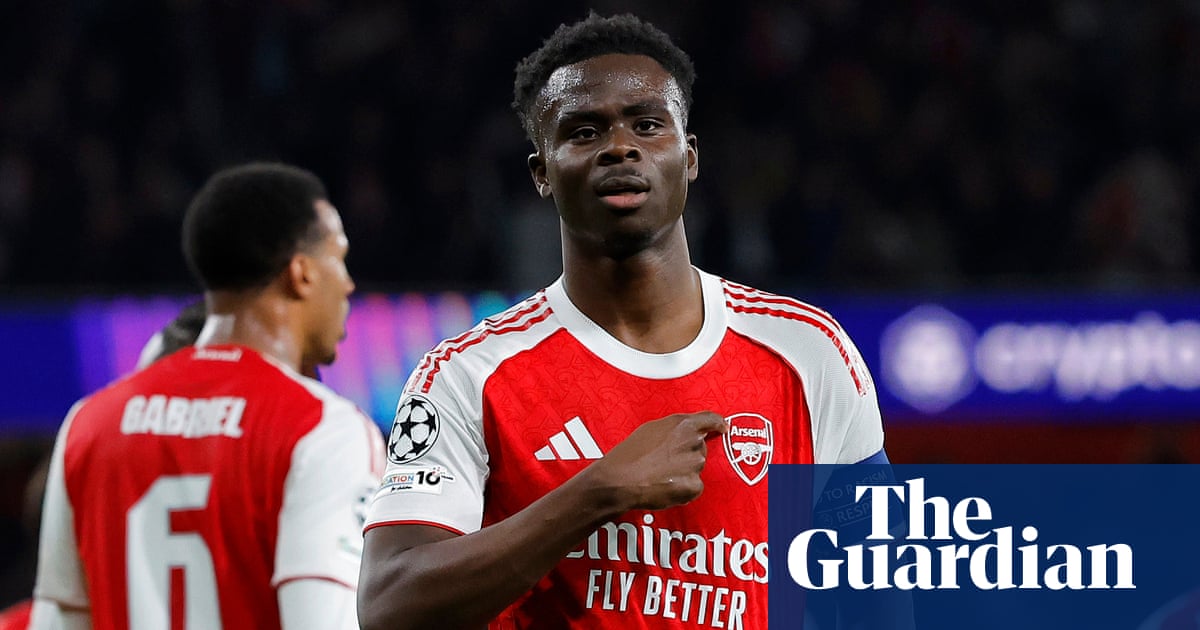
Palmer has proven repeatedly that the pressure simply does not affect him. He demands the ball when older, more experienced professionals look for a place to hide. Tuchel clearly views Bukayo Saka as his undisputed starter on the right wing. He probably wants Anthony Gordon's direct, blistering pace as his alternative off the bench.
But Palmer offers something completely different. He offers absolute control in the final third and a lethal finishing touch. Stripping the squad of that option borders on managerial malpractice.
Sacrificing the Generational Passer
Then there is Trent Alexander-Arnold. The Liverpool right-back has always been a polarizing figure in the England setup.
His passing range is unmatched in world football. He can switch the play with a casual sixty-yard diagonal that drops perfectly onto a winger's toe. But his defensive lapses at club level have been heavily scrutinized for years.
Tuchel builds his teams from the back. He prioritizes clean sheets and defensive solidity over expansive attacking football. He wants full-backs who lock down their side of the pitch, track runners relentlessly, and never get caught pushing too high.
Kyle Walker brings unmatched recovery pace. Reece James, assuming his body holds up, brings sheer physical dominance. Alexander-Arnold brings a risk-reward ratio that Tuchel is clearly unwilling to stomach.
The cost of this decision is massive. England has just lost its best set-piece taker. A whipped free-kick or a perfectly delivered corner can swing a tight quarter-final. Without Alexander-Arnold, England's threat from dead-ball situations drops drastically.
The Echoes of France '98
This feels eerily similar to Glenn Hoddle leaving Paul Gascoigne out of the 1998 World Cup squad.
It is a pure statement move. Tuchel is stamping his authority on the dressing room. He is telling the squad that reputation means absolutely nothing.
Work rate and tactical adherence mean everything. But Hoddle's gamble didn't end with a trophy parade. It ended in tears against Argentina in Saint-Étienne. Tuchel is risking a remarkably similar fate.
The Tactical Reality of North America
The expanded 48-team format means the group stages will inevitably feature heavy mismatches.
England will face teams determined to park the bus. They will face nations sitting in a low block, defending a 0-0 draw with their lives. To break down those defenses, you need guile.
You need Foden's quick turns, Palmer's disguised through-balls, and Trent's wicked crosses. By leaving all three at home, Tuchel has made England extremely predictable.
The attack will rely heavily on overlapping runs, direct dribbling from Saka, and crosses aimed at Harry Kane. Opposing managers will know exactly what is coming. It might be enough to get out of the group, but predictability gets severely punished in the knockout rounds.
The Midfield Burden
Tuchel has essentially forced his own hand in the midfield setup.
Declan Rice will anchor the side. Kobbie Mainoo likely partners him. It is a solid, hard-working duo. But where is the ball progression?
Who receives the ball on the half-turn when pressed by a high-intensity side? Mainoo is incredibly talented, but asking a young midfielder to carry that creative burden in a World Cup knockout game is a massive ask.
Foden could have dropped deep to link play. Trent could have inverted into midfield to dictate the tempo. Tuchel opted for safety over ambition.
A Self-Made Pressure Cooker
The English press is going to be merciless.
As a foreign manager, the scrutiny on Tuchel was always going to be intense. With this squad selection, he has removed any built-in excuses. He cannot blame a lack of available talent if the team struggles to create chances.
He cannot complain about a lack of depth. He actively chose to leave his most creative talent at home.
The moment England struggles to break down a stubborn defense, the cameras will pan to Tuchel on the touchline. The commentary box will inevitably mention the names of the absent trio. He has staked his entire reputation on a tactical philosophy that demands absolute perfection from his chosen 26 players.
The Verdict
I want to respect Tuchel's conviction. His track record in knockout football is undeniably elite.
But the World Cup is a fundamentally different beast than the Champions League. It is won on moments of unscripted brilliance. It is won by players who can conjure something out of absolutely nothing when the tactical plan inevitably breaks down in the searing heat of a summer tournament.
By stripping the squad of its most magical, unpredictable elements, Tuchel has compromised England's ceiling. They will be organized. They will be incredibly hard to beat.
But they lack the creative spark needed to go all the way. England will cruise through their group. They will grind out a win in the Round of 32.
Then they will hit a brick wall. Expect them to crash out in the quarter-finals against a top-tier side like France or Spain, desperately lacking the very players their manager deemed surplus to requirements. The subsequent autopsy will be brutal.
Read Next
- Tuchel is about to break hearts with his England World Cup squad
- Tuchel dropping Trent for the World Cup is a massive tactical gamble
- Thomas Tuchel just dropped Foden and Palmer and I am losing my mind
- Foden's World Cup axing proves Tuchel won't risk half-fit stars
- 🏆 World Cup 2026 — Full Coverage Hub
- 🏴 England World Cup 2026 — Three Lions Hub