The FIFA Series is the New Coke of international football
Welcome to late March in the year of our lord 2026. We are exactly 77 days away from the World Cup kicking off in North America. The kits are being leaked, the squad lists are being frantically debated in every pub from Perth to Parramatta, and the FIFA PR machine is currently redlining. Their latest masterstroke? The FIFA Series.
If you haven't been paying attention to the bureaucratic gymnastics coming out of Zurich, the FIFA Series is Gianni Infantino’s attempt to turn the international friendly window into a branded product. It is a series of mini-tournaments where teams from different confederations—who usually have no business seeing each other on a pitch—get thrown into a blender. It is 'global development' wrapped in a shiny, corporate bow that nobody actually asked for.
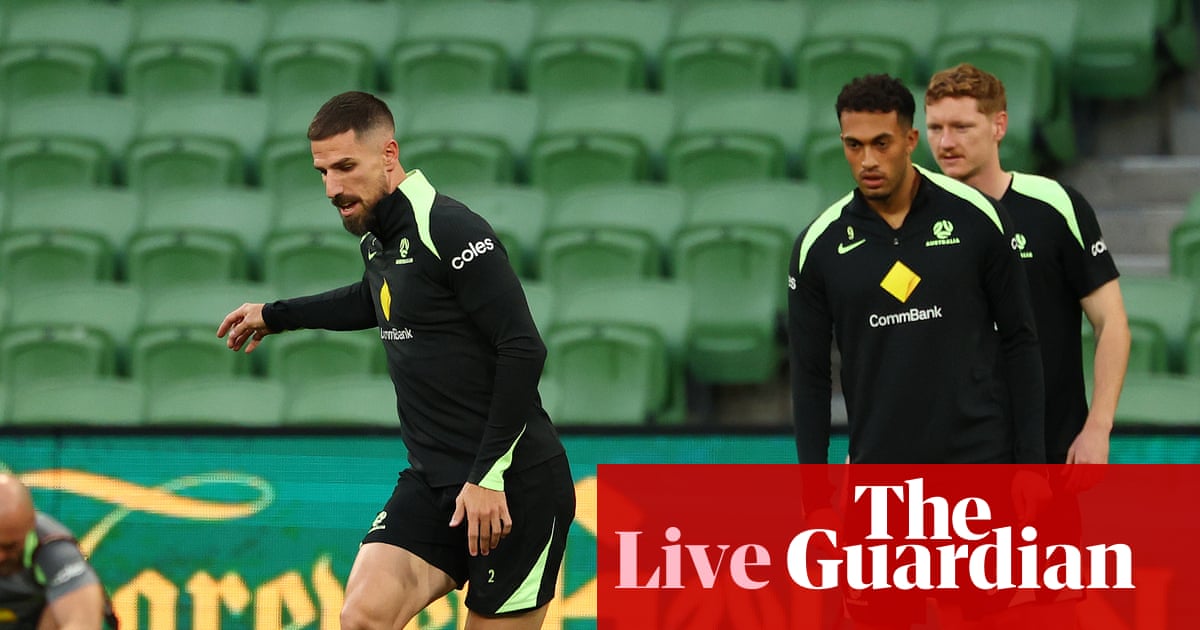
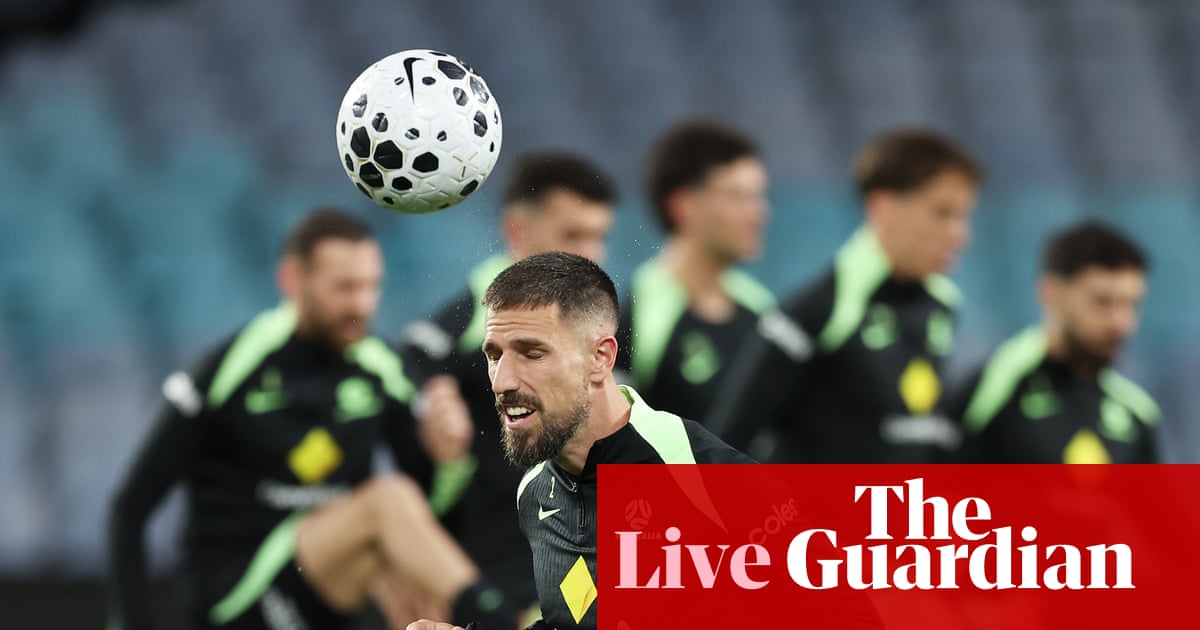
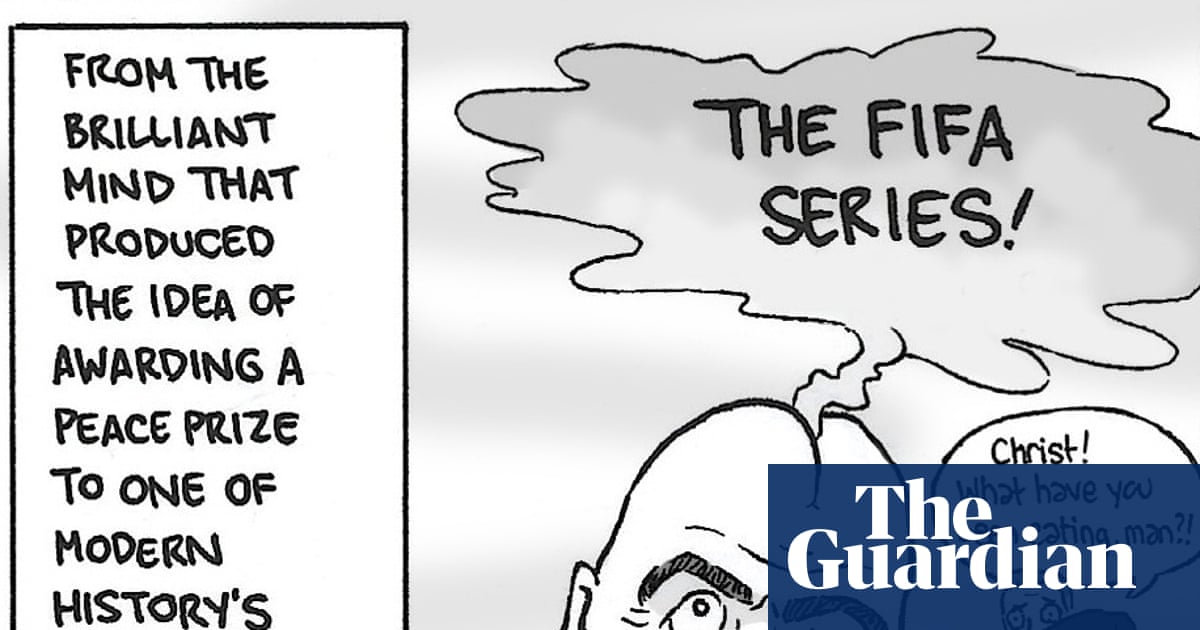
As David Squires pointed out in his latest cartoon, the Socceroos have been chosen as the designated laboratory rats for this prestigious experiment. Australia is hosting, which means we get to see the green and gold navigate the logistical nightmare of flying players across twelve time zones just to play teams they could probably beat with their Under-23 shadow squad. It is tantalizing in the same way that a root canal is an opportunity to catch up on podcast episodes.
Gianni Infantino and the 'I Feel Everything' Marketing Strategy
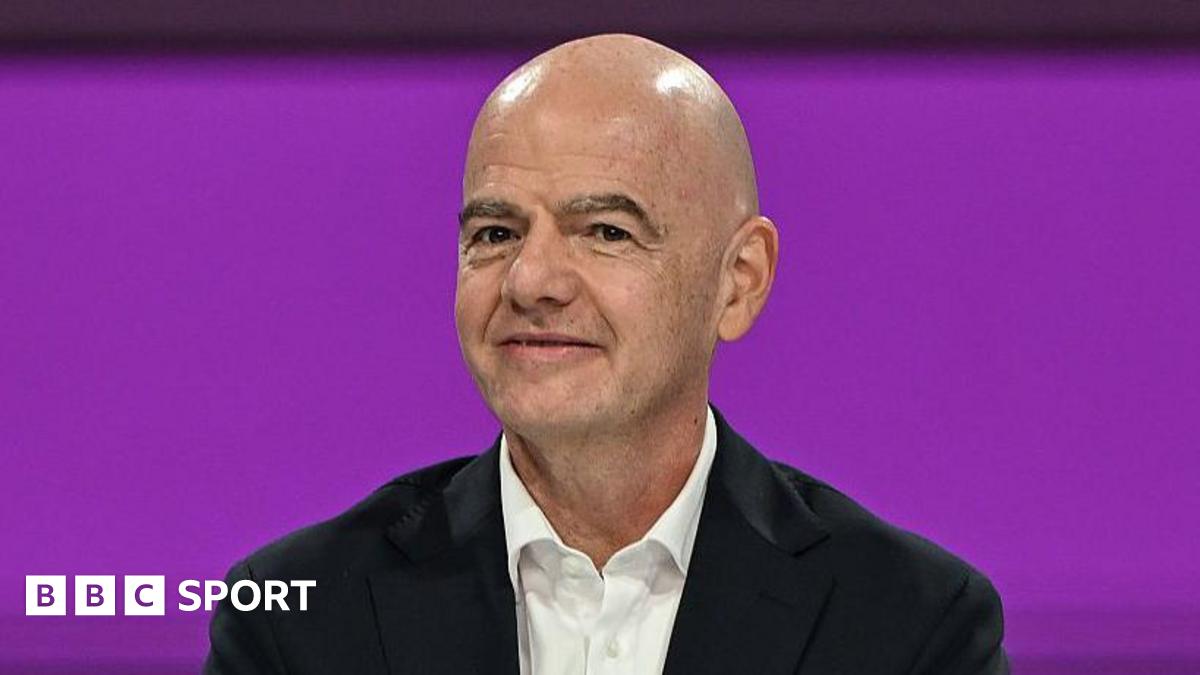
Every time Gianni Infantino opens his mouth, a marketing executive somewhere gets their wings. The Guardian piece captures the specific brand of insanity that defines modern FIFA. We’re talking about a man who once claimed to feel like a migrant worker, a Qatari, and a disabled person all in the same breath. Now, he wants us to feel the prestige of a four-team friendly tournament in late March.
The branding for the FIFA Series looks like it was designed by someone who thinks the word synergy is a personality trait. There is a desperate, clawing need for these games to matter. FIFA wants you to believe that a match between Australia and a mid-tier African side in a half-empty stadium is a pivotal moment in the history of the beautiful game. It isn't. It’s a fitness test with better graphics.
Let’s be real about the Socceroos' role in this. We are the 'safe' hosts. We have the stadiums, we have the broadcast capabilities, and we have a fan base that is so starved for high-level international football that we will show up to watch a game of tiddlywinks if there’s a gold jersey involved. But calling this 'prestigious' is like calling a suburban bake sale a Michelin-starred event. It’s a reach that would make a yoga instructor jealous.
The Socceroos are playing for more than a participation trophy
While FIFA is busy smelling its own perfume, Tony Popovic has a real problem to solve. The Socceroos are 11 weeks out from the biggest tournament in the world. This window should be about iron-clad defensive structures and figuring out how to get the ball to Nestory Irankunda without him having to dribble past five people on his own. Instead, they are the centerpiece of a FIFA pilot program.
The squad is a mix of battle-hardened veterans like Jackson Irvine and the next generation of talent trying to prove they belong on the plane to the USA. But the intensity of these FIFA Series matches is naturally lower. When there are no points on the line and no genuine trophy that fans will recognize in five years, players subconsciously protect their hamstrings. You cannot manufacture the 'do or die' energy of a World Cup qualifier by just putting a FIFA logo on the grass.
We saw this during the last cycle. Friendlies are great for cap-tying youngsters and testing out a new 3-4-3 system that will inevitably be abandoned by the 60th minute, but they are lousy indicators of tournament readiness. If Australia cruises through these matches, the media will herald a new golden era. If they struggle, the knives will come out for Popovic before the team even boards their flight to Los Angeles. It’s a high-variance, low-reward situation for the coaching staff.
The logistical absurdity of global development
There is a fundamental flaw in the way FIFA views the world. They see a map and think, 'Wouldn't it be great if the Central African Republic played Bulgaria in Sydney?' They don't see the 22-hour flights, the jet lag that makes elite athletes feel like they’re walking through custard, or the clubs in Europe who are currently fuming that their multi-million dollar assets are being flown halfway around the world for a branding exercise.
"Steps into the mind of Gianni Infantino as Australia prepare to host the tantalising new global event."
That quote from The Guardian perfectly sums up the disconnect. The 'mind of Infantino' is a place where travel fatigue doesn't exist and every match is a 'global event.' Back in the real world, the Socceroos' European-based stars are being asked to do the impossible. Harry Souttar and Jackson Irvine are expected to land, train twice, play two games of 'prestigious' football, and then fly back to their clubs for the business end of their seasons. It’s a miracle their legs haven't literally fallen off yet.
The impact on the A-League is equally frustrating. The domestic competition takes a backseat whenever the national team is in town, but at least during World Cup qualifiers, there is a sense of shared sacrifice. During the FIFA Series, it just feels like the local league is being sidelined for a FIFA-branded vanity project. We are sacrificing the momentum of our domestic clubs for the sake of a tournament that will be a trivia question by 2028.
Why satire is the only way to process modern football
The reason the David Squires cartoon resonates so much is that modern football has become too absurd for traditional journalism. You can't just report on the FIFA Series with a straight face. You have to mock the branding, the self-importance, and the transparent greed. When FIFA tries to sell you a used Honda Civic and tells you it's a Ferrari, you don't check the engine—you laugh at the salesman.
The Socceroos are caught in the middle. They are professional enough to take every game seriously, and they know that 48 teams at the next World Cup means there is no room for complacency. But they also know that winning a FIFA Series 'group' is about as meaningful as winning a game of FIFA 26 on Semi-Pro difficulty. It looks good on the screen, but you haven't actually accomplished anything yet.
The reality is that these games serve a purpose for the smaller nations involved. It gives them a chance to play against better opposition and earn some broadcast revenue they wouldn't otherwise see. That is a genuine positive. But why does it have to be dressed up in this corporate 'Series' nonsense? Just call them friendlies. Be honest about the fact that it's a scouting window and a revenue share. The moment you start using words like 'tantalising' and 'global event,' you lose the fans.
The critical failure of the March window
Here is the negative observation that nobody at FIFA wants to hear: The FIFA Series is actively harming the quality of the upcoming World Cup. By forcing teams into these rigid, branded formats, they are taking away the flexibility of national coaches to schedule the specific opponents they need to prepare for their group stage rivals.
If Australia is drawn against a South American team and a European giant in the World Cup, they should be spending this window playing those types of opponents. Instead, they are tied to whoever FIFA has invited to the 'Series.' It is a top-down approach that prioritizes the FIFA brand over the technical preparation of the member associations. We are seeing the 'McDonaldization' of international football, where every window has to look and feel the same, regardless of what the teams actually need.
In the end, we will all watch. We will complain about the VAR decisions, we will cheer when Nestory scores a screamer, and we will pretend for 90 minutes that this matters. But when the whistle blows and the FIFA delegates start handing out whatever participation trophy they've minted for this occasion, we’ll all be thinking about June 11. Because that is the only global event that actually counts. Everything else is just Gianni Infantino playing with his action figures while we pay for the batteries.
Read Next
- Why Lennon Miller's Udinese 'Fat Club' ordeal is triggering PL interest
- Thomas Tuchel is about to make Cole Palmer the center of England's universe
- Why Thomas Tuchel needs to hand Cole Palmer the keys to England
- A Three Lions star hit a 180 in front of Luke Littler and I have questions
- 🏆 World Cup 2026 — Full Coverage Hub
- 🇦🇺 Australia World Cup 2026 — Socceroos Hub
- ⭐ UCL 2026 — Champions League Quarter-Finals Hub