
Infantino’s FIFA is ignoring the friction of 2026
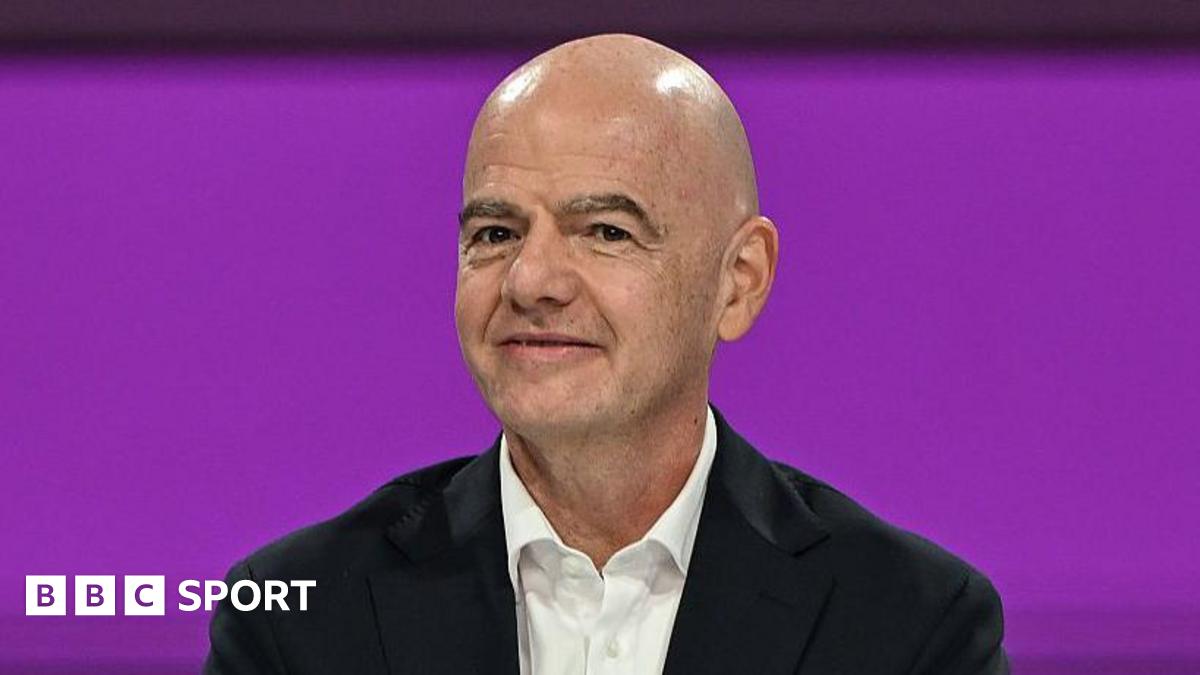
Diplomacy through a set-piece lens
Gianni Infantino confirmed this week that Iran will play their World Cup matches in the United States as originally scheduled for the 2026 tournament. It is a decision framed by FIFA as a triumph of sport over politics. Yet, for an analyst looking at the logistics of a global tournament, it reads like a security nightmare waiting to unfold.
We are seventy-two days from kickoff on June 11, 2026. The logistical load of hosting matches across three countries is already thin. Mixing high-stakes international relations with the movement of thousands of traveling fans from a nation currently enduring severe geopolitical tension with the host is a move fraught with tactical blind spots.
The stadium as a neutral zone
Infantino expects the pitch to act as a neutral zone. Historically, however, the World Cup has never functioned in a vacuum. When Iran faced the United States in 1998, the tension was palpable enough that tactical preparations were secondary to the sheer weight of the moment. Expecting FIFA to dictate a cooling of relations simply by hosting matches in Denver or Los Angeles ignores the reality of modern touring supporters.
The current state of play suggests that FIFA is prioritizing the tournament's branding over the realities of crowd control. If we look back at the 2022 World Cup in Qatar, the tournament functioned largely because the government exerted extreme, top-down control over fan movement. The United States cannot, and likely will not, replicate that level of surveillance. The potential for disruption at team hotels or fan zones is a variable that Infantino’s recent confirmation seems to brush aside entirely.
Tactical oversight and the risk of distraction
From a sports perspective, national teams require stability to prepare for the knockout phase. If the Iran squad is effectively locked into a defensive shell due to external security concerns, their tactical shape on the field will suffer. We saw this with smaller nations in previous cycles—when a group is besieged by media controversy or security threats, their pass completion rates in the final third tend to drop. The mental tax is a genuine performance inhibitor.
There is also the question of venue selection. If Iran plays in a city with a high concentration of activist diaspora, FIFA may find its security protocols tested in ways they haven't seen in decades. FIFA’s reliance on the idea that football acts as a bridge is a nice sentiment for a gala, but it is dangerous policy for an organization that has struggled to manage fan safety in less turbulent environments.
Consider the logistical complexity of the 2026 group stages. With a 48-team field and travel distances measuring in the thousands of miles, player fatigue is already a primary concern for every manager. Adding the layer of high-tension diplomatic security to Iran’s travel itinerary is an inefficient use of resources. It creates a circus where there should be a sporting event.
Infantino is banking on the tournament being a sanitized display of unity. If he is wrong, the repercussions will be immediate. The optics of a security breakdown in a 2026 host city would make the past controversies of the tournament look minor by comparison. A decision this big should have been accompanied by a clearer roadmap for fan behavior, not just a casual mention that the schedule stands.
Ultimately, the FIFA president is trading long-term stability for short-term ease. By maintaining the status quo, he avoids the headache of rescheduling, but he inherits the potential for a crisis that could derail the integrity of an entire group. The scoreline on the pitch might ultimately be the least discussed aspect of Iran’s opening match. In the context of 2026, where even the slightest scheduling error becomes a 15 percent drop in efficiency for tournament organizers, this approach is frankly reckless.
Read Next
- The World Cup 2026 group stage is a bloated disaster waiting to happen
- Steve Clarke's World Cup roster mandate is tactical madness
- Thomas Tuchel's England attack lacks teeth before the World Cup
- France’s new attack is a nightmare for every World Cup contender
- 🏆 World Cup 2026 — Full Coverage Hub
- 🇮🇷 Iran World Cup 2026 — Team Melli Hub
Amazon Fire TV Stick 4K, support for Dolby Vision, Wi-Fi 6, includes Alexa Voice Remote
Turn your TV into a Premier League headquarters.
Frequently Asked Questions
Where will Iran play their matches during the 2026 World Cup?
Why is FIFA's decision regarding Iran criticized by analysts?
How might diplomatic tensions affect the Iranian team's performance?
What is the primary concern regarding fan safety at the 2026 World Cup?
What are the logistical drawbacks of the 2026 tournament format?
More Coverage
The World Cup knockout stage isn't for the faint of heart
1 day, 10 hours agoThe World Cup knockout stage is already a logistical nightmare
1 day, 10 hours agoThe World Cup knockout stage is a tactical disaster waiting to happen
1 day, 10 hours agoThe USMNT isn't ready for the absolute circus of the 2026 World Cup
1 day, 10 hours agoStade Azteca or bust: Why the 2026 World Cup opener is already a mess
1 day, 10 hours agoMexico is setting itself up for a historic opening match disaster
1 day, 10 hours agoMore Analysis
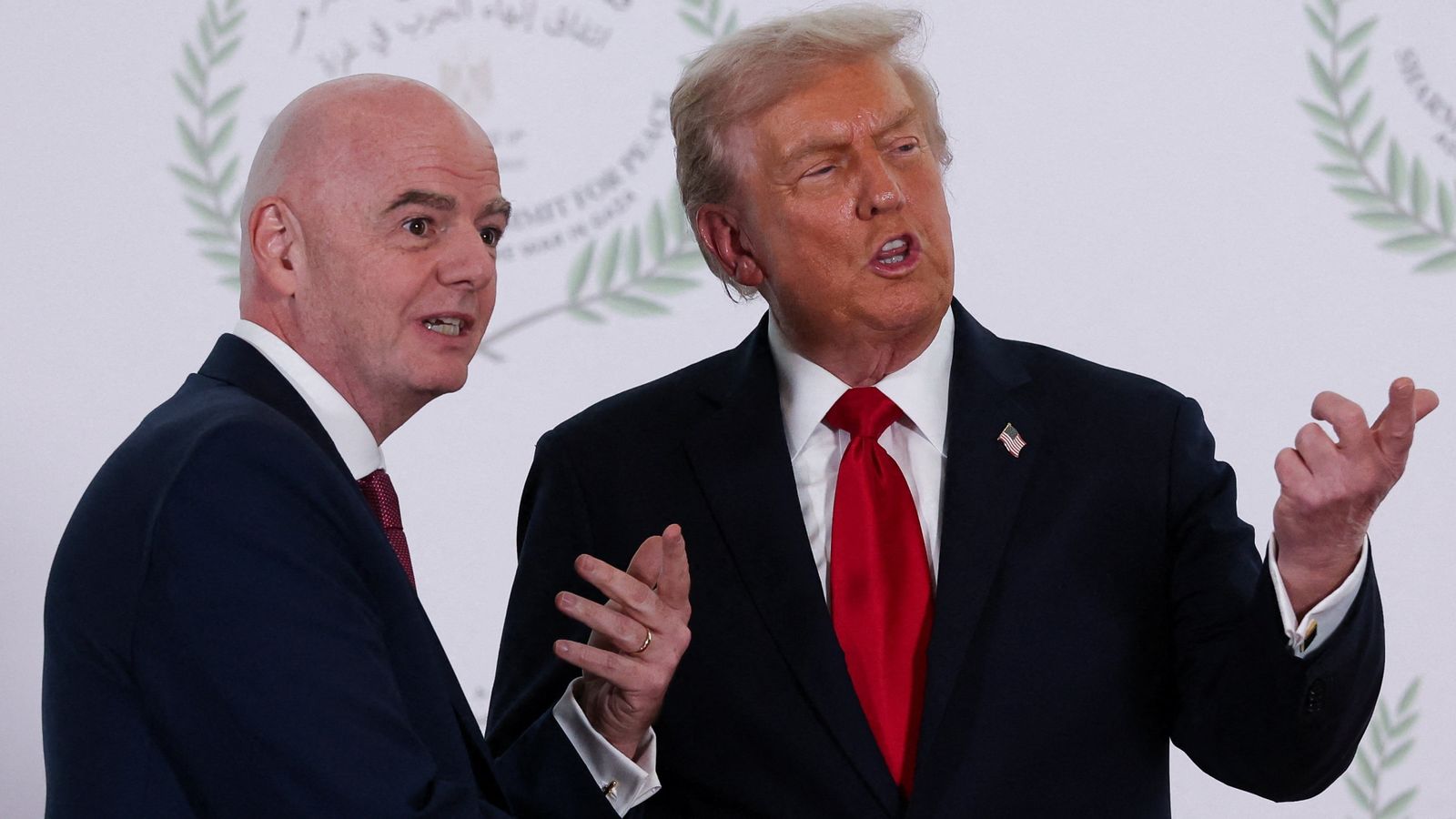
Gianni Infantino is actually making Iran play their World Cup games in the US
4 weeks, 1 day ago
FIFA Holds Firm: Iran To Play 2026 World Cup Matches In USA
4 weeks, 1 day ago
FIFA stands firm on Iran playing in the States this summer
4 weeks, 1 day ago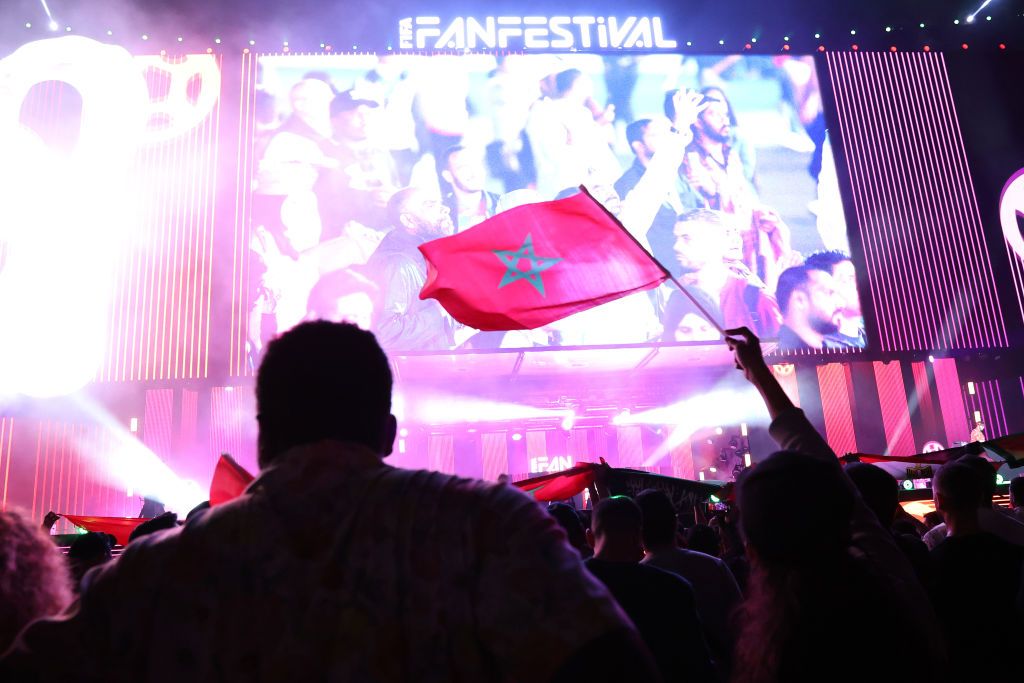
FIFA is drawing a line in the sand over Iran’s World Cup spot
1 month, 1 week ago
Fans react to Infantino confirming Iran will play World Cup games in the US
4 weeks, 1 day ago