FIFA's 48-team World Cup is a bloated mess that will ruin the group stage

The 48-team disaster is finally here
Let’s call a spade a spade: the 2026 World Cup format is a grotesque exercise in greed. By expanding the field to 48 teams, FIFA has effectively gutted the tension that made the group stages of 1998 or 2006 so legendary. We are no longer watching the world’s elite compete for the most prestigious trophy in sport; we are watching a bloated, diluted exhibition where mediocre teams get to play for draws because third place is enough to squeak into the knockout rounds.
Remember the Group of Death? That terrifying prospect where a powerhouse like England or Argentina could genuinely crash out after three matches because the margin for error was non-existent? That is dead. In a world where the top two teams advance plus the best third-placed finishers, the punishment for a slow start has vanished. It is a safety net for the lazy and the tactically inept.
The banana skins waiting for the big dogs
Despite the format, the draw still offers some fascinating potential for chaos. While the top seeds will mostly coast, the expanded pool of nations means we are going to see some David vs. Goliath moments that weren't possible when the field was limited to the best of the best.
- Morocco proved in Qatar that the gap is closing. Their run to the semi-finals wasn't a fluke; it was a blueprint. Teams like Canada, playing on home soil, are going to be absolute nightmares for European giants who underestimate the intensity of a crowd fueled by patriotism and home-field advantage.
- Look at the USA. They have the talent, but under Mauricio Pochettino, they are still a team that lives and dies by their ability to maintain focus. If they get drawn against a disciplined, low-block side from Africa or CONMEBOL, watch how quickly that home-field pressure turns into a toxic atmosphere of whistles and panic.
The beauty of the World Cup was always the ruthlessness. FIFA has traded intensity for revenue, and we are the ones paying the price.
Why the favorites are already sweating
If you think France or Brazil have a clear path to the final, you haven’t been paying attention to how international football has evolved. The days of Brazil walking over opponents with flair are long gone. Every single team coming out of the qualifiers now has a video analyst, a defensive structure, and a game plan designed to frustrate the superstars.
Take a look at Germany. They are still recovering from an identity crisis that spanned two World Cups. If they end up in a group with an emerging, high-energy side like Ecuador or Japan, they could be playing for their lives by matchday two. The psychological weight of history is heavy, and in a tournament this long and drawn-out, momentum is the only currency that matters.
The danger of the third-place safety net
The most infuriating part of this new format is the math. Teams will spend the final 20 minutes of their third group game passing the ball around the back because a 0-0 draw guarantees them a spot in the Round of 32. It’s the antithesis of what made the 1986 or 1970 tournaments iconic. We want blood, sweat, and tears—not a calculator at the touchline.
We saw this exact garbage play out in the 2016 Euros, where Portugal went through to the knockout stages without winning a single game in the group. They eventually won the tournament, which is the ultimate indictment of a flawed system. If we see a repeat of that in 2026, where a team wins the whole thing despite drawing their way through the initial stage, we should collectively agree to stop calling it the World Cup and start calling it what it is: a television product.
Final thoughts on the path to glory
Despite my cynicism, I’ll be there, eyes glued to the screen. Because even a diluted World Cup is better than no World Cup at all. Lionel Messi might not be there to carry the torch, but the rise of Lamine Yamal or the sheer physical dominance of Erling Haaland (assuming Norway qualifies, which is a massive if) will provide the spectacle we crave.
The path to the final in New Jersey will be paved with upsets. My bold prediction? One of the traditional European powerhouses will crash out in the expanded Round of 32 because they forgot how to play a meaningful game after sleepwalking through a group stage that was far too forgiving. It’s coming, and it’s going to be glorious, even if the system that built it is rotten to the core.
Read Next
- Thomas Tuchel has a massive headache before the World Cup even starts
- Stop overthinking the 2026 World Cup: It’s Brazil’s trophy to lose
- Mexico is sleepwalking into a historic World Cup disaster
- Old Trafford is officially broken and Erik ten Hag is out of answers
- 🏆 World Cup 2026 — Full Coverage Hub
Frequently Asked Questions
How many teams will compete in the 2026 World Cup?
Why is the new group stage format considered less competitive?
What impact does the third-place safety net have on match play?
Why might top-tier teams struggle in the 2026 tournament?
What role does home-field advantage play for teams like Canada and the USA?
More Coverage

Arsenal and PSG are locked in a tactical chess match for the trophy
an hour ago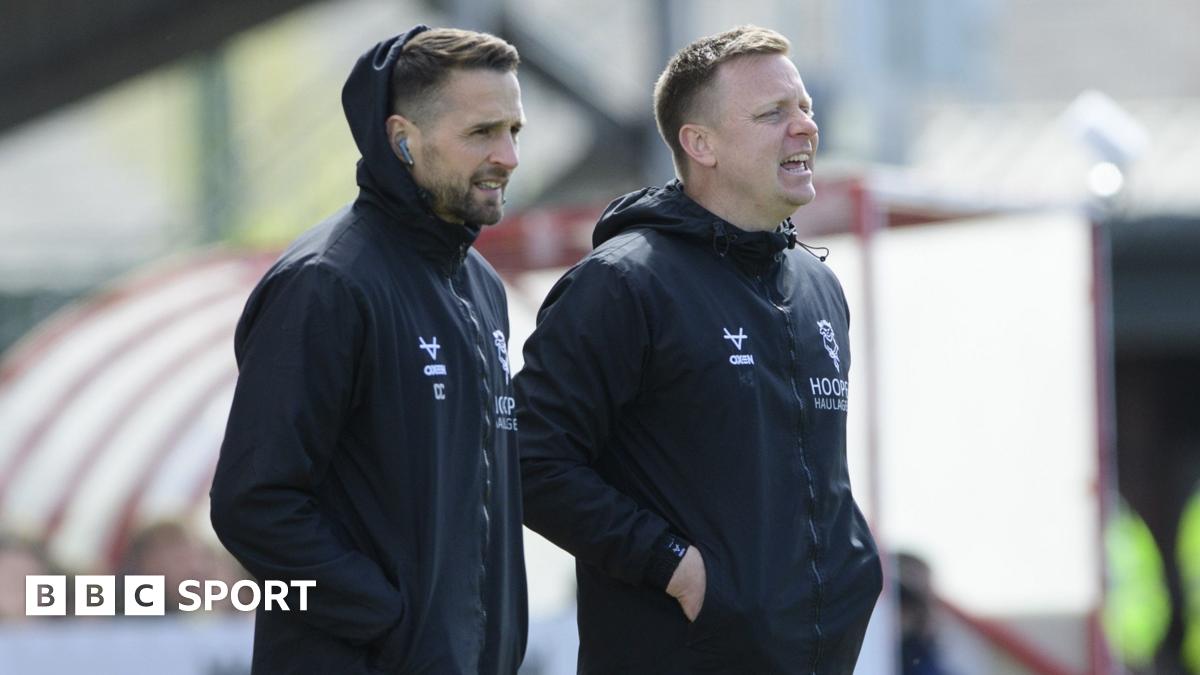
Lincoln City's joint-manager gamble is a blueprint for disaster
an hour ago
Ella Toone is the most realistic window into the modern footballer's life
2 hours ago
Arsenal's Champions League final gamble rests on Timber's fitness
2 hours ago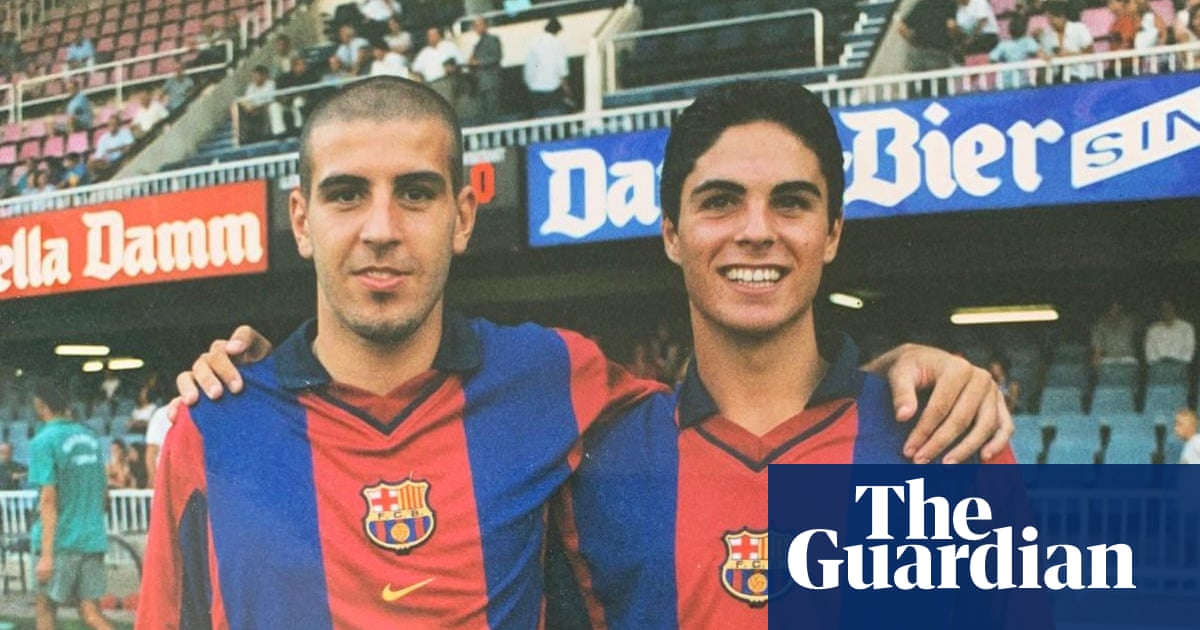
Arsenal’s Champions League final run is pure Arteta obsession
2 hours ago
Arsenal face a legacy-defining night in the Champions League final
2 hours agoMore Match Reports
The World Cup 2026 group stage is a bloated disaster waiting to happen
1 month, 4 weeks agoWhy the 2026 World Cup bracket is a total disaster waiting to happen
1 day, 5 hours ago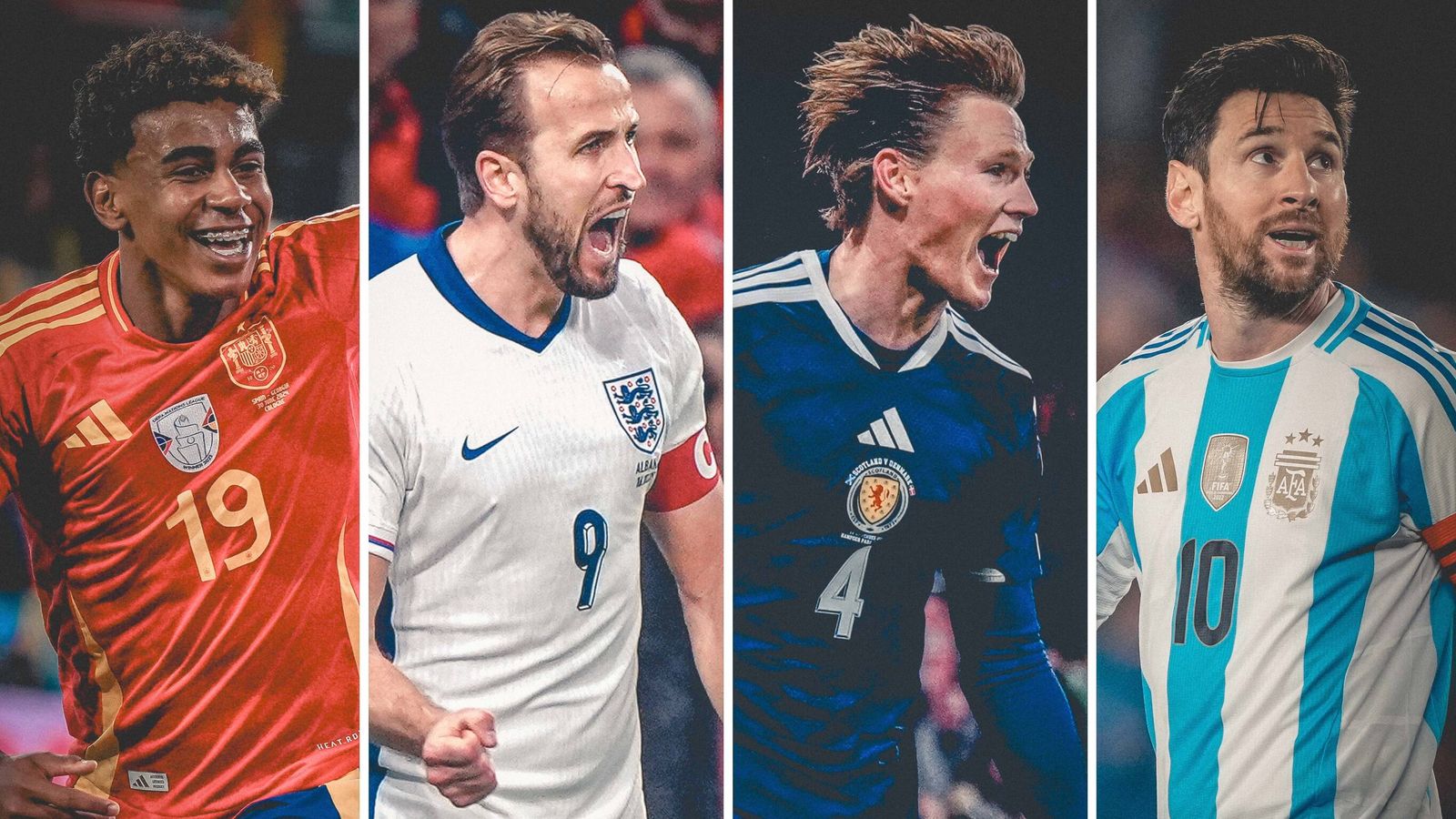
The 2026 World Cup qualification path is a bureaucratic mess
1 month, 4 weeks agoThe World Cup's new Round of 32 is a tactical nightmare waiting to happen
1 week agoFIFA is diluting the World Cup for a quick cash grab
4 days, 11 hours ago