The obsessive genius at the Emirates
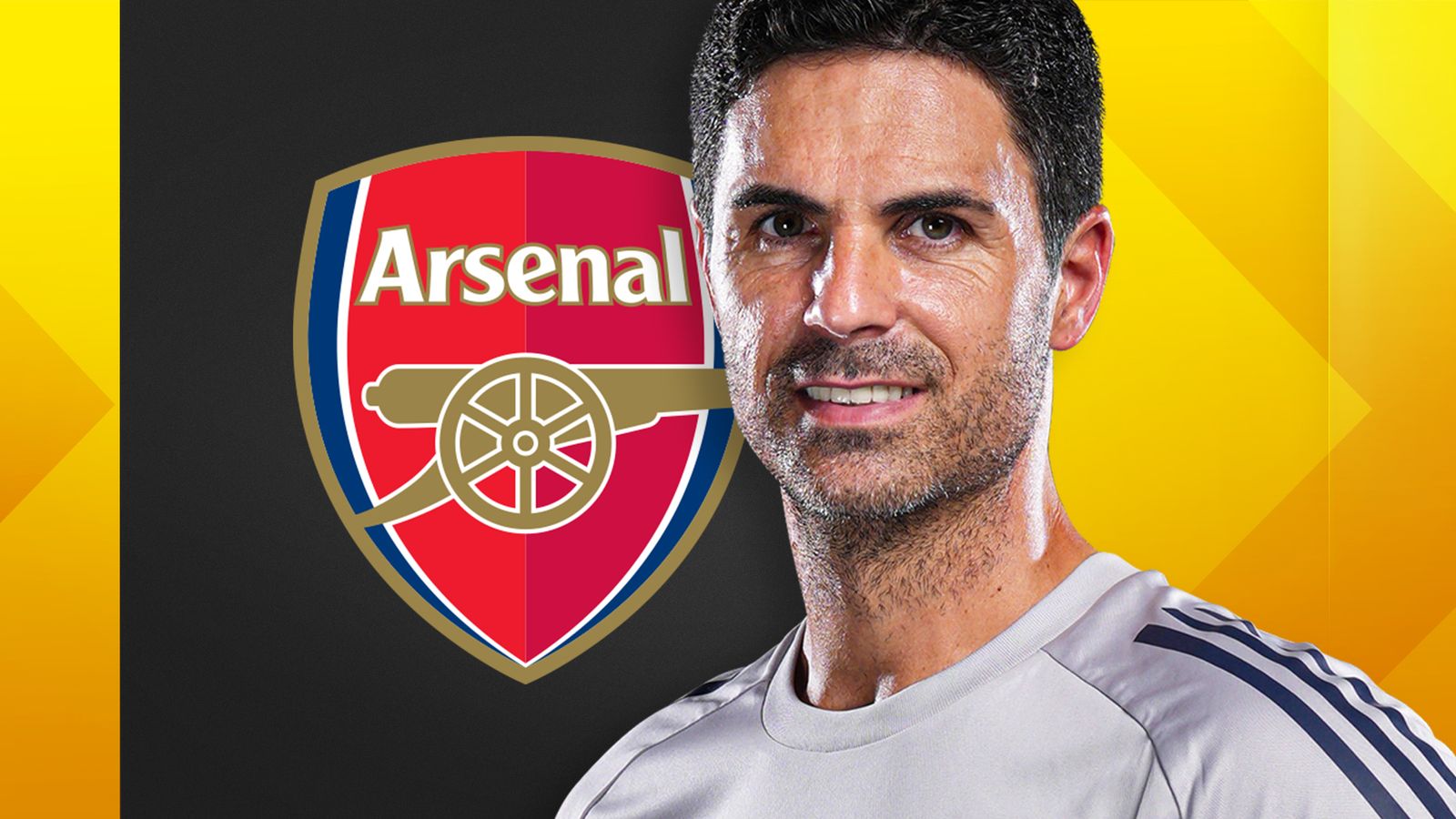
Mikel Arteta is an absolute nightmare to watch a game with, and frankly, that is why Arsenal is standing on the doorstep of Champions League glory. Santi Cazorla recently shared stories about his time with Arteta, and the image painted is of a man who cannot simply enjoy a sport. He is a tactician whose brain never shuts off, constantly deconstructing movement, spacing, and transition risks while everyone else is just trying to grab a beer.
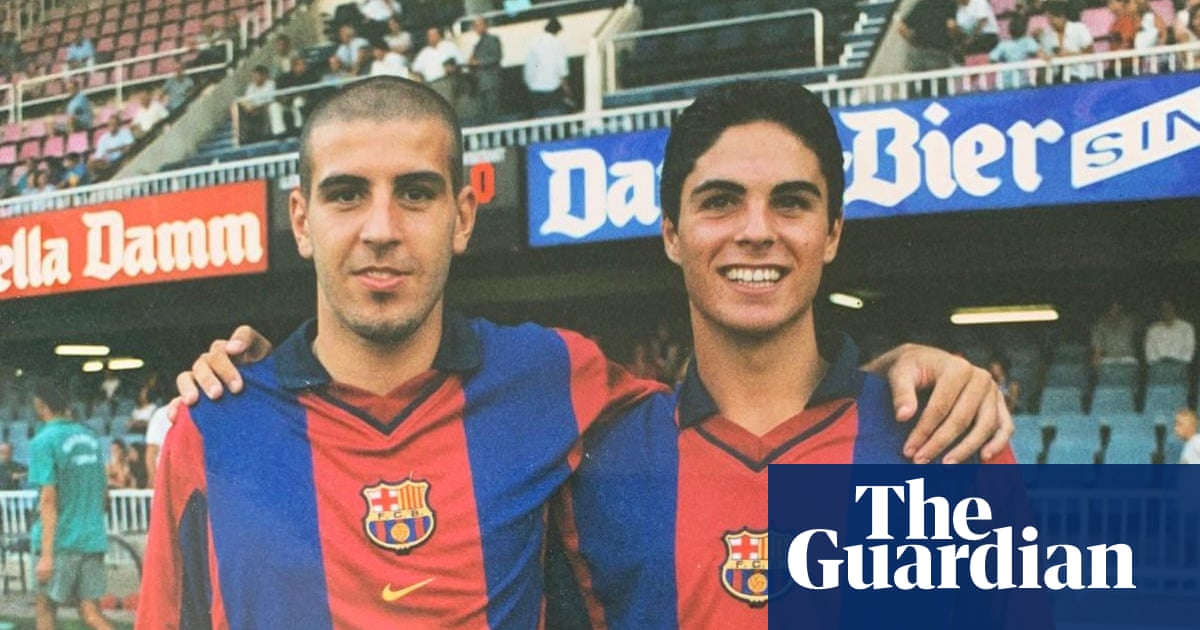
As The Guardian reported, the foundation for this intensity was poured long before he took the reins in North London. Growing up in the Basque Country and learning the ropes at Barcelona, Arteta was forged in environments that demand perfection. You don't survive those developmental systems by being a casual observer or a "vibes-based" coach.
Tactical friction and the price of perfection
Here is the reality check: for all the praise, Arteta’s obsession has a shelf life for those in his orbit. When you watch him on the touchline, he looks like a man trying to solve a Rubik's cube while running a mid-marathon sprint. It is brilliant when your winger slots home a 92nd minute winner, but it is exhausting for the squad to operate at that level of mental strain for ten months straight.
His journey from the Antiguoko youth fields to the bright lights of the final is a case study in unwavering stubbornness. He holds on to his principles like a dog with a discarded boot. Even when the analytics gurus suggested changing the defensive shape mid-season, he doubled down on his inverted fullback setup. It is a gamble that cost them points in February against mid-table squads, but it is the same rigidity that allowed them to stifle Europe’s elite in the knockout rounds.
The Basque blueprint isn't for everyone
There is a specific intensity required to play for Arteta that isn't for everyone. Some players want a coach who pats them on the back after a bad touch; Arteta is the guy checking the frame data on your positioning errors while you are still catching your breath. It reminds me of the most intense assistant coaches in the NBA who wake up at 3 a.m. to rewatch losses.
If they lift the trophy, he is a revolutionary. If they fail, the narrative will immediately pivot to his inability to let his players breathe during the high-pressure moments of the campaign. That is the duality of the man. He isn't out there to make friends or curate an enjoyable locker room atmosphere. He is out there to squeeze every ounce of tactical discipline out of his roster.
Watching his evolution from the pitch to the dugout has been like watching a kid who finally got to build the model train set he obsessed over for years, but he’s making sure every single track piece is aligned to the millimeter. Whether you call it leadership or control-freak behavior, it has worked. Arsenal is in the final, and Arteta is the architect of that chaos.
Read Next
- Arsenal face a legacy-defining night in the Champions League final
- Arsenal vs PSG: The Champions League final is a tactical meat grinder
- Arsenal's Champions League final gamble rests on one key tactical shift
- Arsenal must reconcile their tactical past with this final hurdle
- 🏆 UCL Final 2026 — Munich May 28 — Full Coverage Hub