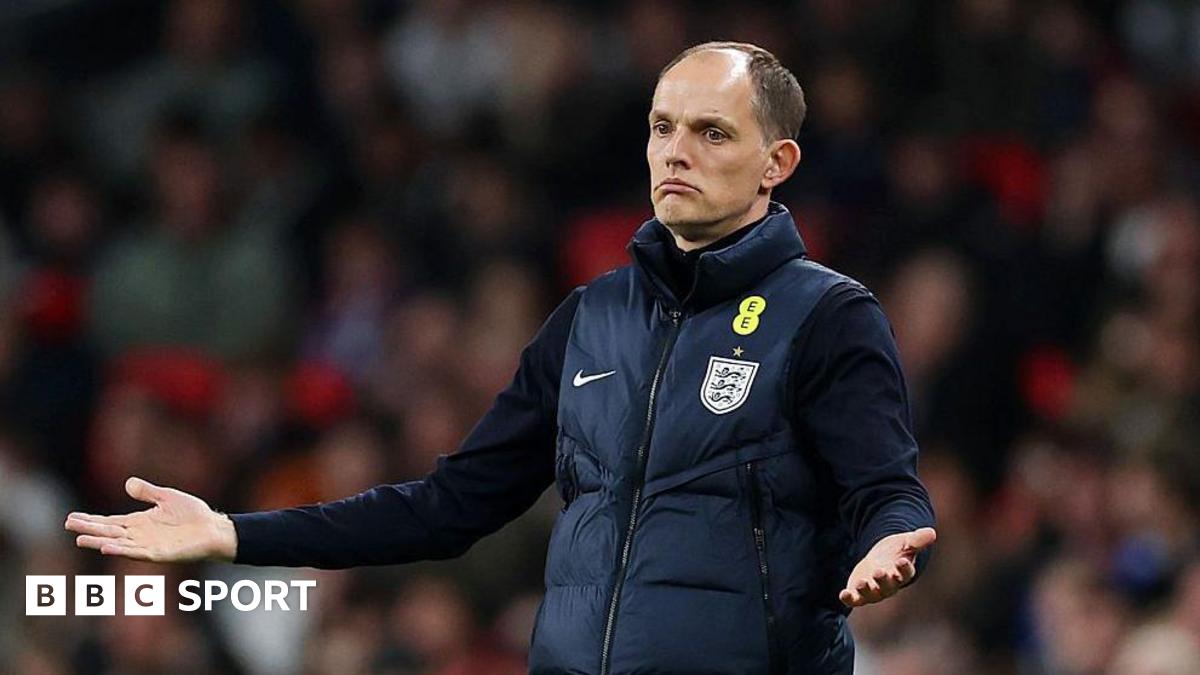
Thomas Tuchel has a massive headache before the World Cup even starts

The shadow of geopolitics looms over the beautiful game
As the international break looms, the air in the England camp feels different. It isn’t just the typical anxiety surrounding squad selection or the tactical tinkering of a new manager; it is the weight of a tournament that feels increasingly like a geopolitical minefield. Thomas Tuchel, the man tasked with finally bringing the hardware home, is staring down a dual-front war: one on the pitch, where his creative engine room remains a chaotic puzzle, and one off it, where FIFA’s grand plans for the 2026 World Cup are beginning to fray at the edges.
The Number 10 conundrum: Who holds the keys to the kingdom?
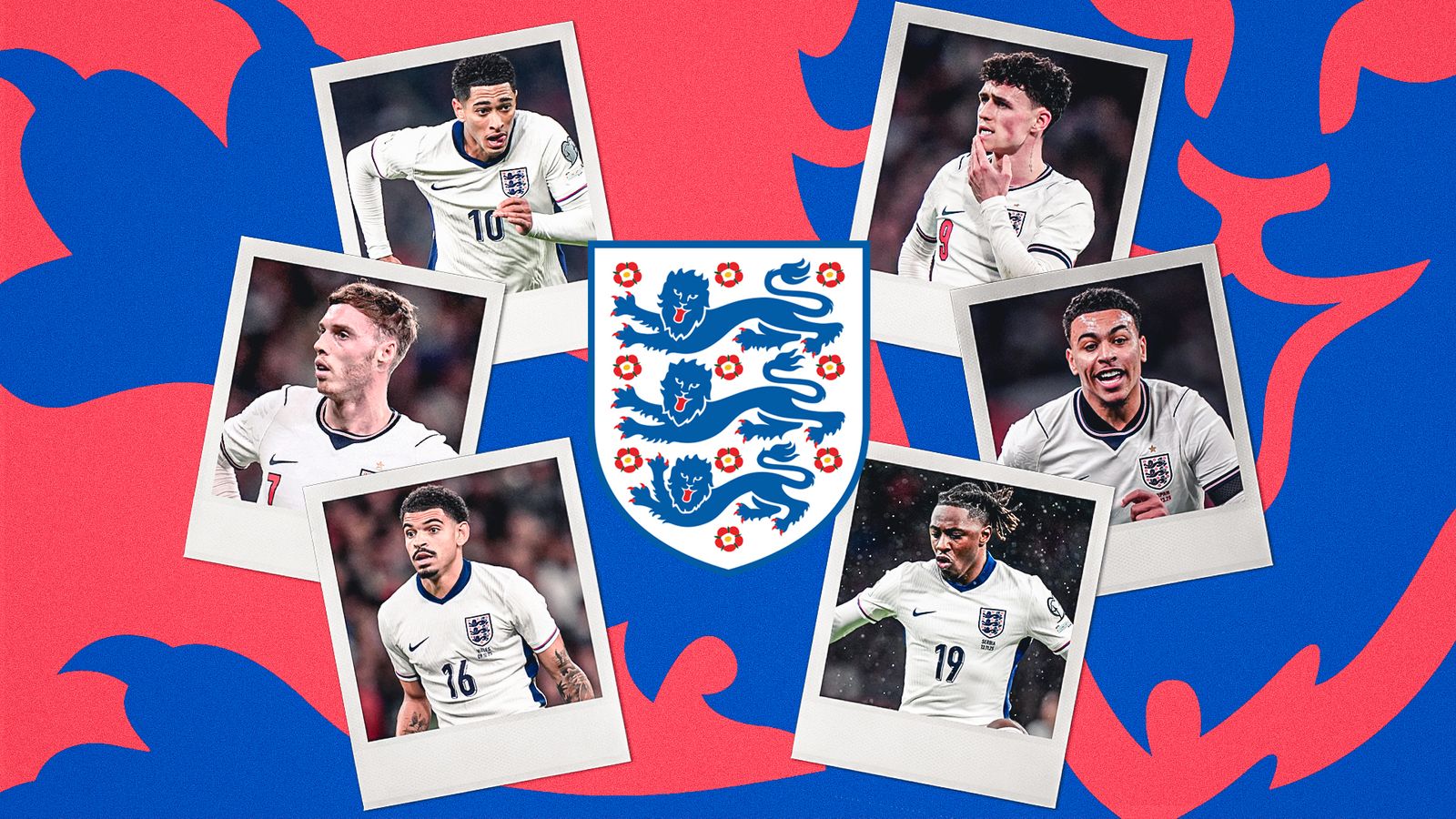
Tuchel’s first major selection is less about who is in form and more about who fits his rigid, high-pressing ideology. The 'Number 10' role has become the most debated position in English football. Do you go for the silk of a playmaker, or the steel of a box-to-box engine? The options are as varied as they are frustrating. Jude Bellingham remains the crown jewel, but Tuchel’s insistence on a specific defensive structure might force the Real Madrid man deeper, potentially stifling the very magic that makes him a Ballon d'Or contender.
Then there is the Cole Palmer dilemma. If Tuchel opts for a 4-2-3-1, Palmer is the natural orchestrator. But in international football, luxury players are often the first to be sacrificed for balance. The manager’s Friday announcement will be more than just a list of names; it will be a manifesto. If he leaves out the creative spark in favor of tactical discipline, the English press—and the fans—will have his head before the first whistle blows in the States.
The tactical identity of this England side is currently a blank canvas. Tuchel is known for his adaptability, but international football rarely offers the luxury of time to build a cohesive, machine-like structure.
The FIFA tightrope walk
While Tuchel agonizes over his midfield pivot, Gianni Infantino is playing a far more dangerous game. The FIFA President recently attempted to project an air of calm regarding the 2026 World Cup, but the reality behind the scenes is anything but settled. With Iran’s recent threats of a boycott—not of the tournament itself, but of the host nation, the United States—the political atmosphere is toxic.
The logistical nightmare of hosting a tournament where certain participating nations are currently in a state of diplomatic cold war with the host is unprecedented. Infantino’s insistence that "football brings people together" sounds increasingly hollow when set against the backdrop of travel bans, visa disputes, and the looming shadow of a new American administration under Donald Trump. The threat of a boycott is more than just posturing; it is a direct challenge to FIFA’s authority and the integrity of a tournament that relies on the participation of all qualified nations to maintain its global legitimacy.
The standout performers who could shift the tide
Despite the noise, there are players who seem immune to the chaos. Phil Foden’s recent resurgence under pressure suggests he is ready to take the mantle of England’s primary creator, regardless of who is in the dugout. Similarly, the defensive stability provided by Marc Guéhi has been the quiet success story of the season. If Tuchel is to succeed, he needs these pillars to remain unshakeable while he navigates the political minefield that Infantino seems content to ignore.
Tactical analysis: The Tuchel transition
What can we expect from the Tuchel era? We know he favors a back three or a fluid 4-3-3, but the transition from Gareth Southgate’s cautious pragmatism to Tuchel’s high-octane intensity is fraught with risk. The primary turning point will be how he handles the transition from defense to attack. Under Southgate, England were a counter-attacking side. Under Tuchel, they will be expected to dictate the tempo. This requires a level of technical security in the center of the park that England hasn't consistently shown since the days of Scholes and Gerrard.
If the midfield becomes a vacuum, England will be exposed on the break. This is why the selection of the holding midfielder is just as crucial as the Number 10. We are likely to see a return to a more disciplined, albeit less flashy, approach in the opening group games. Tuchel knows that in tournament football, the first step is not to lose. But with the pressure of a trophy-starved nation on his back, 'not losing' might not be enough to save his reputation if the performances are as sterile as they were in the final days of the previous regime.
The bottom line
As we look toward Friday’s squad announcement, the stakes have never been higher. Thomas Tuchel is not just managing a team; he is managing expectations, egos, and a political climate that threatens to overshadow the sport itself. FIFA is betting that the spectacle of the World Cup will wash away the sins of its political complications, but history tells us that when football and geopolitics collide, the sport rarely comes out unscathed. Whether England’s Number 10 is a creative genius or a tactical workhorse, the biggest test for them won't be the opposition—it will be surviving the pressure cooker that 2026 is rapidly becoming.
Read Next
- FIFA's 48-team World Cup is a bloated mess that will ruin the group stage
- Khadija Shaw is making the WSL Golden Boot race look like a formality
- Four late fitness tests spell disaster for Sunderland's derby hopes
- The WSL title race is a mess and that is exactly what we need
- 🏆 World Cup 2026 — Full Coverage Hub
Amazon Fire TV Stick 4K with Alexa Voice Remote
The ultimate way to stream every match in crystal clear 4K.
Frequently Asked Questions
What is the primary tactical challenge facing Thomas Tuchel?
How might Tuchel's tactics impact Jude Bellingham?
Why is Cole Palmer's position in the squad uncertain?
What geopolitical issues are affecting the 2026 World Cup?
What is the main criticism regarding FIFA's handling of the 2026 tournament?
More Coverage
Lincoln City just entered the weirdest experiment in League One history
an hour ago
Arsenal’s title win has changed the math for London football
3 hours ago
Cristian Volpato makes a high-stakes call ahead of the World Cup
7 hours ago
Arsenal and England breathe sigh of relief as Bukayo Saka manages training load
7 hours ago
Emily Cassap represents a shift in Northern Ireland's tactics
7 hours ago
Why United must prioritize Ederson to reclaim their midfield
7 hours agoMore Match Reports
Tuchel's 16 guarantees and the massive tactical headache facing England
1 week, 1 day ago
World Cup 2026: Tuchel's squad controversy and global pre-tournament chaos
3 days, 3 hours ago
Thomas Tuchel isn't writing a sequel to Dear England
1 week, 3 days ago
Why Tuchel's tactical rigidity will doom England at the World Cup
1 week, 2 days ago