Two Games, Two Different Planets
While the algorithms and the TV directors were busy cutting a sizzle reel of Chelsea's nail-biter against Villa, another game was happening. Leicester City vs. Brighton. No disrespect to those two clubs, but it's not exactly the fixture that sends shockwaves through the group chat. It's the undercard. The B-side. The part of the festival lineup you watch while waiting for the headliner.
And yet, if you want to understand the soul of the Women's Super League in 2026, you don't look at the star-studded galacticos at the top. You look right here. You look at two teams scrapping for every inch, for a foothold, for a reason to tell their fans, 'We're building something.' This weekend's action, a tale of two wildly different games, tells you everything you need to know about the league's growing, and slightly worrying, class divide.
The Chelsea Grinding Machine
Let's get the main event out of the way. Chelsea 'edged' Villa. That's the polite way of putting it. The more accurate way is that the multi-million-pound, jewel-encrusted death star of women's football was forced to sweat for 90 minutes by a team running on grit and a fraction of their budget. For the neutral, it's great drama. For Chelsea, it's a terrifying glimpse of their own mortality.
This is the air they breathe at Cobham. It's not about winning; it's about the expectation of winning. Anything less than a comfortable three points is a post-mortem. A narrow victory isn't a cause for celebration, it's a sigh of relief. You could feel the collective anxiety lift from the blue side of London. This is the brutal reality of a title race – it's a war of attrition, and the ugliest wins are often the most important.
The pressure is immense. Every dropped point is a catastrophe, every 1-0 win against a supposedly lesser side is scrutinized. Are they tired? Have they been figured out? It's a psychological nightmare. They have a squad packed with the biggest names in the sport, yet they're playing with the constant fear of one bad touch, one defensive lapse, undoing an entire season's work. It's a gilded cage. Yes, you get the trophies and the glory, but the cost is playing every single match on a razor's edge.
The Grind is an Art Form
Let's be honest, watching this kind of football isn't always fun. It's efficient, it's ruthless, and it's brutally effective, but it can be a hard watch. It's the football equivalent of a boa constrictor slowly squeezing the life out of its prey. There are no wasted movements, no unnecessary risks. It’s about managing the game into submission. But this is the price of admission for a modern superclub. You don't build a dynasty on vibes and beautiful football alone. You build it on the back of gritty, forgettable 1-0 wins in late March.
This is the standard the rest of the league is judged against. An impossible, suffocating standard built on a foundation of resources that most other clubs can only dream of. It's the final boss battle that every other team has to prepare for, knowing they're probably bringing a knife to a gunfight.
So... What's the Point of Being Brighton?
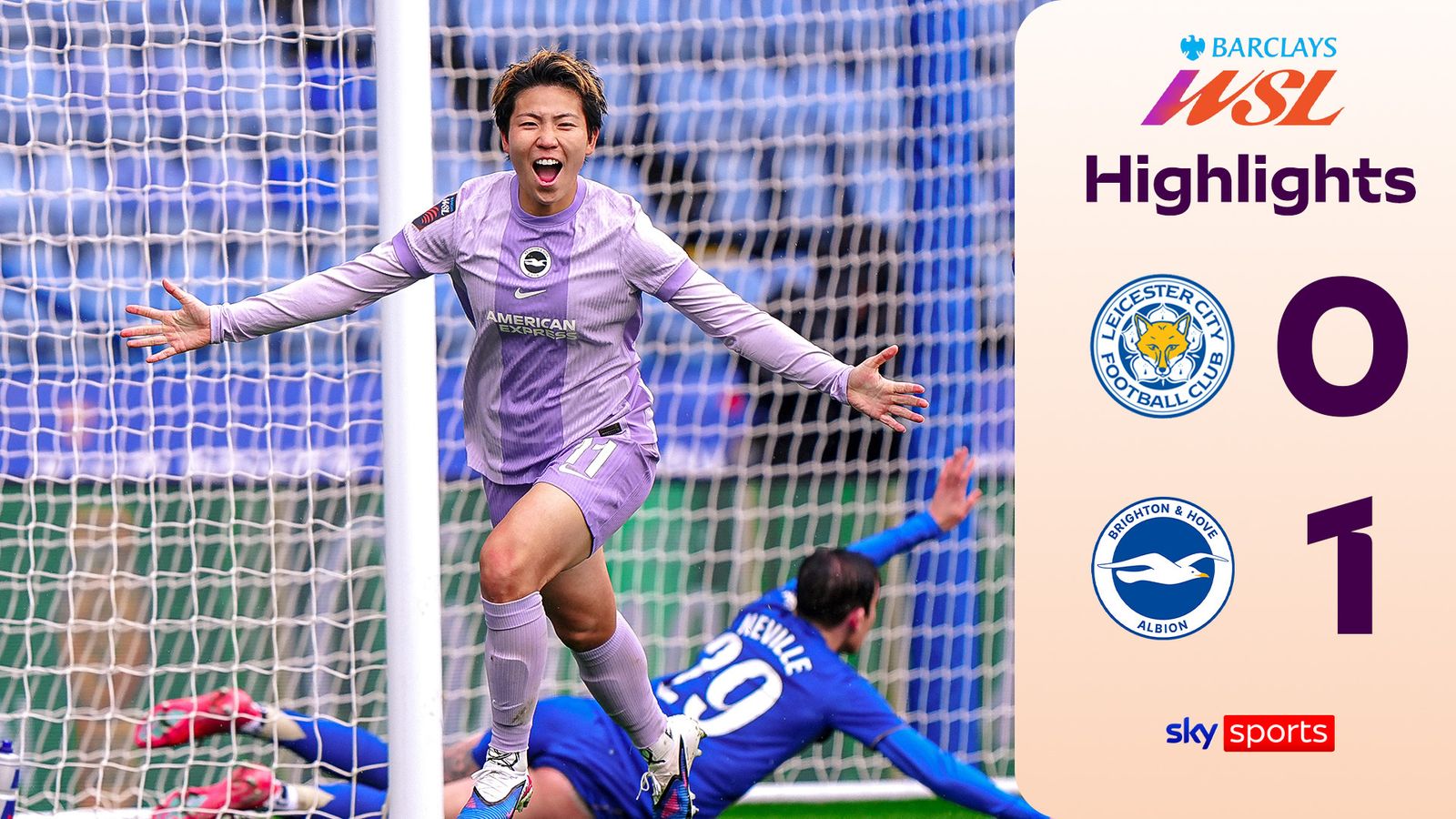
Now, let's talk about the other game. The one that got a footnote in the headlines. 'Brighton pushing for an opener at Leicester.' That little phrase says so much. It speaks of ambition, of energy, of a team refusing to just be a sparring partner for the division's heavyweights. It's the story of the other nine clubs in the WSL.
What are they actually playing for? They're not going to win the league. They're almost certainly not getting relegated. They exist in the vast, unforgiving expanse of the mid-table. A win gets them a pat on the back. A loss gets a shrug. The real currency in this part of the table isn't points, it's relevance.
These teams are in a perpetual state of trying to prove they belong. Every game is an audition. The players are auditioning for a move to a bigger club. The manager is auditioning to keep their job. The club itself is auditioning for a bigger slice of the TV revenue pie. 'Pushing for an opener' isn't just about scoring a goal; it's a desperate scream into the void, saying, 'Hey, pay attention to us!'
The Brutal Mid-Table Reality
And here is the critical observation, the part nobody wants to say out loud. For many of these clubs, their primary role in the league's ecosystem is to develop players for the top three and provide them with a competitive match twice a season. They are, for all intents and purposes, feeder clubs. A star player at Brighton or Leicester doesn't dream of winning the league with them; they dream of playing well enough to get a call from Arsenal or Manchester City.
It's a harsh, cynical take, but it's the reality of the economic disparity. Can you build a project? Sure. Can you foster a great team spirit? Absolutely. But when one of the big dogs comes sniffing around your top scorer with a contract offer that triples their wages, loyalty goes out the window. And who can blame them? It's a short career. This creates a glass ceiling that feels almost impossible to shatter. Finishing seventh instead of ninth feels like a monumental achievement, but in the grand scheme of things, it’s like re-arranging the deck chairs on a ship you know isn't a cruise liner.
A League of Haves and Have-Nots
What we're seeing is the WSL separating into two distinct divisions masquerading as one. You have the Haves: Chelsea, Arsenal, and Man City, with their international squads, state-of-the-art facilities, and Champions League ambitions. And then you have the Have-Nots: everyone else, scrapping it out for the right to be called 'best of the rest'.
The gap is widening. The money pouring into the top of the game is creating a chasm that is becoming increasingly difficult to cross. It threatens the league's long-term competitive balance. While the Premier League has a 'Big Six', there's always the chance of a Leicester-style fairytale, an Aston Villa crashing the party. In the WSL, the top three has become a closed shop. The 'title race' is often just a question of which of the three stumbles the least.
This isn't a criticism of the top clubs. They've invested heavily and smartly. It's an observation about the structure of the league itself. Does it want to be the most competitive league in the world, or does it want to be a showcase for three of the best teams in the world? Because right now, it's struggling to be both. The drama of a title race is compelling, but a league is only as strong as its middle class. And right now, the middle class is being squeezed, fighting for scraps while the aristocracy dines at the top table.