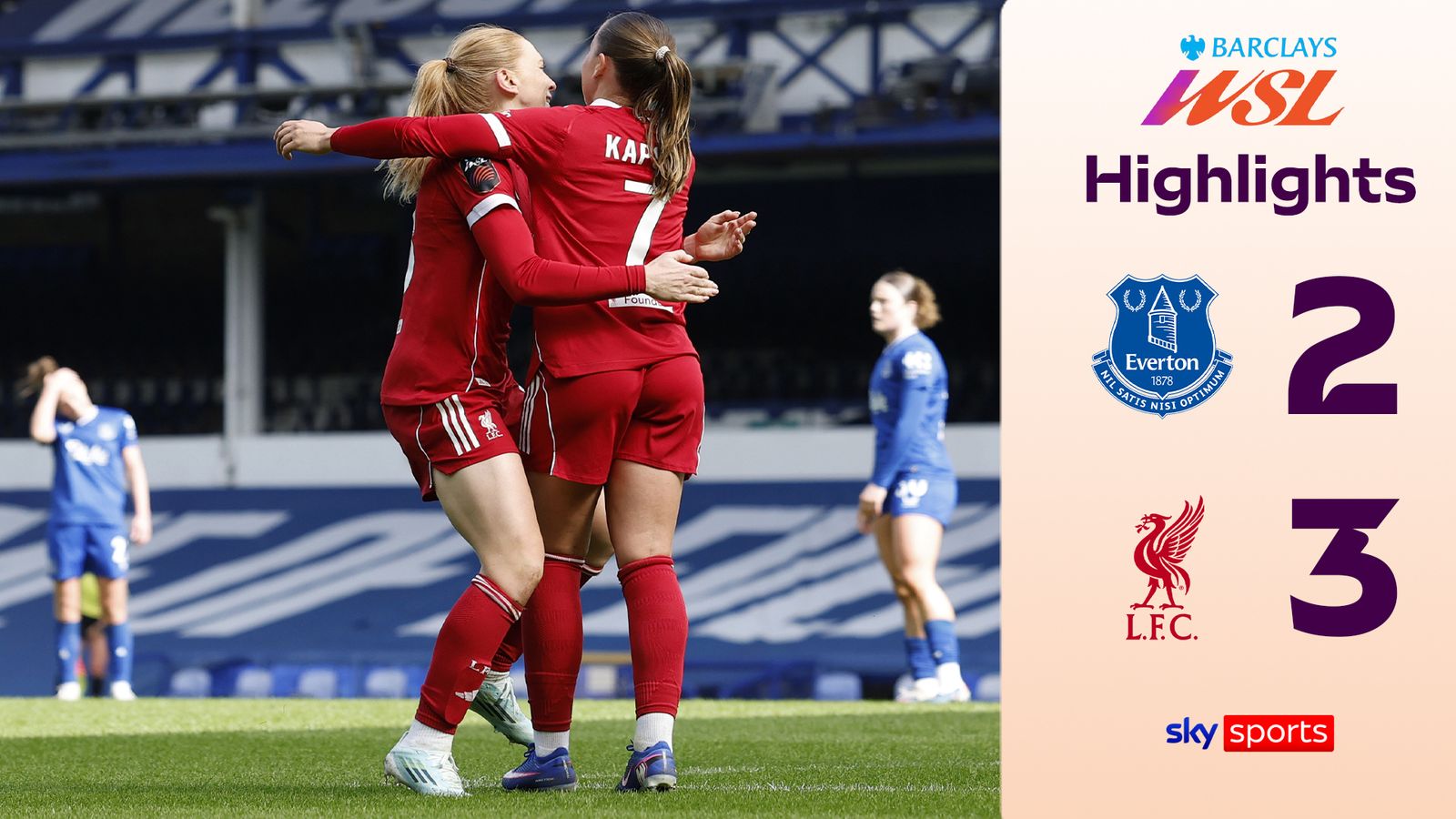
How Ceri Holland exploited Everton's fatal defensive flaws in derby demolition
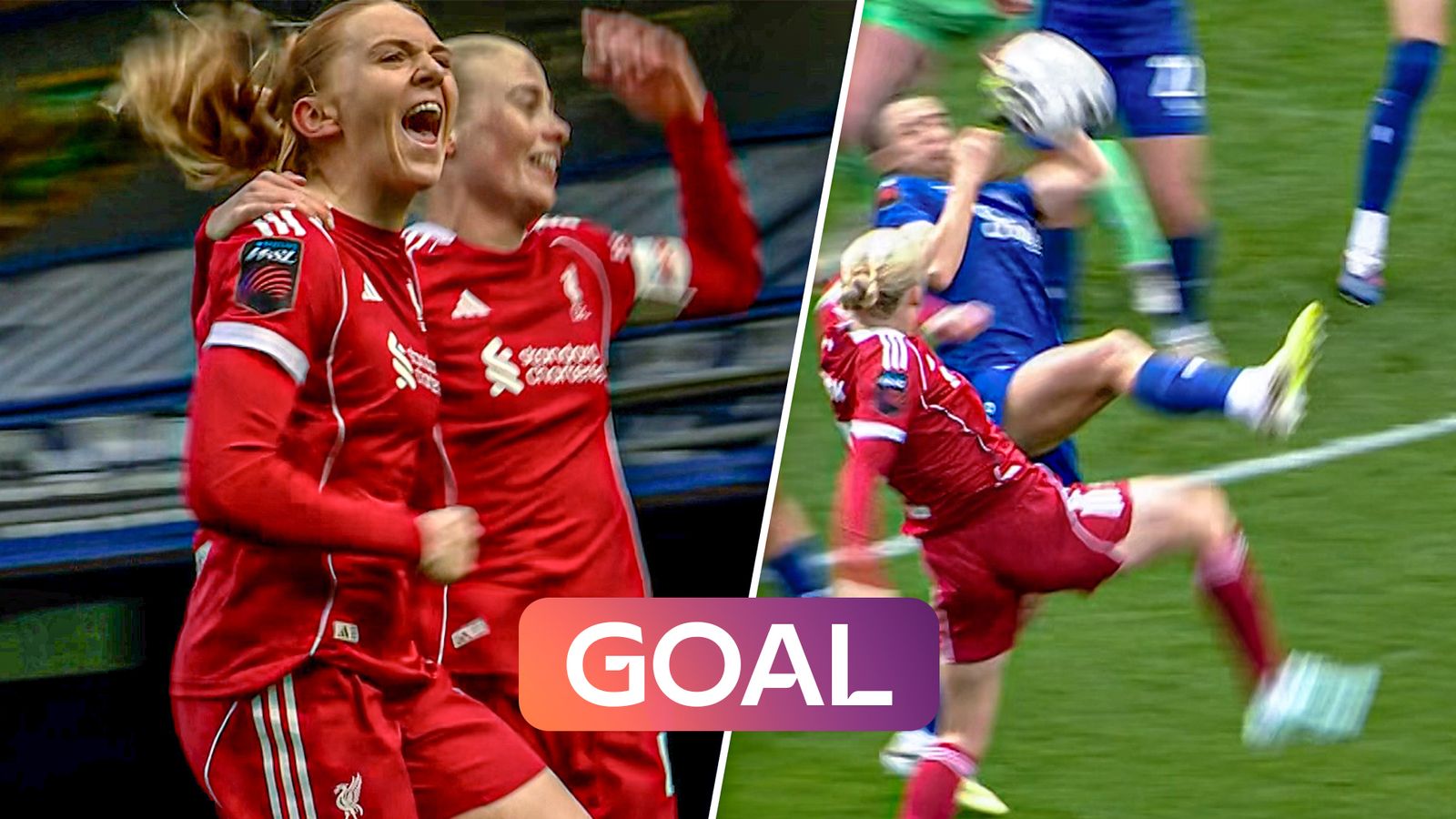
The geometry of a demolition
The Merseyside derby rarely requires artificial hyping. But the tactical chasm displayed in Liverpool's resounding 3-0 victory over Everton at Walton Hall Park offered a stark lesson in modern game management. This was not a contest decided by sheer physical endeavor or the chaotic bounce of a loose ball.
It was a systematic dismantling. Matt Beard’s Liverpool arrived with a razor-sharp blueprint designed to exploit specific structural flaws in the opposition. They executed it with ruthless precision.
Derbies are traditionally tight, fraught affairs where emotion often overrides tactical discipline. Yet, from the opening whistle, Liverpool stripped the emotion out of the occasion. They approached the match with a cold, calculated intensity.
The contrast with Everton was immediately apparent. While the hosts seemed fueled by nervous energy, chasing shadows and flying into ill-advised challenges, Liverpool remained anchored to their system.
At the heart of this tactical dissection was Ceri Holland. Her performance was a masterclass in spatial awareness and transitional urgency. Her two goals will rightfully dominate the post-match discourse. But it was her underlying movement that truly unraveled Everton’s defensive integrity.
She operated in the exact areas where Everton were most vulnerable. She constantly forced terrible decisions from a backline under severe siege.
The structural failure of the mid-block
To understand how Liverpool broke their rivals so thoroughly, we must examine the glaring deficiencies in Brian Sorensen’s defensive setup. Everton attempted to employ a disjointed mid-block that fundamentally failed to control the center of the pitch.
The tactical instruction seemed clear: engage Liverpool’s buildup and press the ball high. However, the execution was catastrophically flawed. The forward line pushed up to apply pressure, but the defensive line remained stubbornly deep, terrified of the pace Liverpool possesses on the flanks.
This fatal hesitation created a massive, unoccupied tract of land between Everton's midfield and defense. In elite football, leaving that much space between the lines is tactical suicide. It is an open invitation for intelligent players to dictate the game.
Liverpool recognized this cavern immediately. They bypassed the initial, half-hearted press with ease. They found their central midfielders in acres of space, turning and facing an exposed Everton backline.
Look closer at Everton's defensive line during the opening exchanges. They lacked fundamental communication. When Liverpool's wingers dropped deep to receive the ball, the Everton fullbacks were paralyzed with indecision.
They were unsure whether to track the runners and break the defensive line, or hold their position and allow the winger to turn. This indecision allowed Liverpool to repeatedly switch the play and isolate defenders one-on-one.
Let's examine the mechanics of Everton's failure in the wide areas. The modern game is defined by full-back play, yet Everton's wide defenders operated with a startling lack of positional discipline. They were consistently caught ball-watching when Liverpool switched the angle of attack.
Instead of maintaining a compact distance with their nearest center-back, they drifted into isolated defensive situations. This isolation is exactly what Matt Beard's system is designed to create. By stretching the pitch to its absolute limits, Liverpool forced the Everton defense to expand beyond its breaking point.
Breaking the deadlock
The opening goal was the inevitable consequence of this sustained territorial dominance and structural superiority. Liverpool didn't just stumble into the Everton penalty area; they set up camp there.
By repeatedly overloading the half-spaces and pinning the fullbacks deep, they forced Everton’s central defenders into narrow, awkward positions. The pressure compounded minute by minute.
Furthermore, Everton's inability to clear their lines under pressure highlighted a technical deficit in their defensive third. Clearances were frequently hooked aimlessly into central midfield zones, directly into the path of waiting Liverpool players. This inability to secure the first phase of buildup meant they were continually defending against a second wave of attacks.
When the penalty was finally conceded, it felt less like a specific individual defensive error and more like a systemic collapse under immense weight. Everton were suffocating.
Holland stepped up to take the spot-kick. In the white-hot atmosphere of a derby, early penalties carry immense psychological weight. They can buckle a fragile team.
She converted it calmly, giving Liverpool a deserved early lead. That single moment fundamentally altered the game state. Everton, already struggling to contain Liverpool's fluid movement, were now forced to chase the game.
Chasing a game against this specific iteration of Liverpool is a highly dangerous proposition. Matt Beard has meticulously constructed a side that thrives on rapid transitions. They are built to punish teams that leave space behind.
The transition clinic
When Everton began committing more bodies forward in a desperate search for an equalizer, they abandoned any pretense of a coherent rest-defense. They attacked with numbers but left absolutely zero security behind the ball.
The wingbacks pushed high, the central midfielders drifted wide, and the center-backs were left isolated. This is where Holland’s tactical intelligence truly shone.
Operating as a hybrid number eight, she didn't just sit in front of the defense. She actively hunted the spaces vacated by Everton’s advancing full-backs. She understands the geometry of the pitch better than most in the division.
When Liverpool won the ball back—often through aggressive, targeted interceptions in the middle third—the transition was instantaneous. There was no lateral passing to settle the tempo. The first thought was always aggressive, vertical penetration.
The sequence that led to Liverpool’s third goal was a devastating exhibition of this philosophy. It was a counter-attack of breathtaking speed and ruthless efficiency that belongs in a coaching manual.
Everton lost possession high up the pitch following a poorly executed attacking phase. Within three rapid passes, their entire midfield structure was completely bypassed.
The ball found Holland breaking into the final third. The scenario that unfolded was a damning indictment of Everton’s organization. She arrived on the edge of the penalty area with an absurd amount of time and space.
There was no desperate recovery run from a holding midfielder. There was no center-back stepping out to close the angle or delay the shot. Everton were simply missing in action, jogging back while Liverpool sprinted.
Holland took full advantage of the gift. She set her feet, assessed the positioning of the goalkeeper, and delivered a "beautiful finish," striking the ball cleanly into the top corner.
It was a moment of supreme individual quality, a highlight-reel strike that will be replayed all season. But it was entirely facilitated by a collective failure from the opposition. You simply cannot afford to give a player of her caliber an uncontested shot from that range.
The limits of counter-attacking
However, a serious, objective analysis of Liverpool’s performance requires us to look beyond the flattering scoreline and the immense joy of a derby victory. There is a persistent flaw in this team’s attacking profile.
Matt Beard must address this issue if they are to genuinely threaten the established elite of the WSL. While their transitional play is undeniably devastating, their settled possession remains labored and unimaginative.
In the opening fifteen minutes, before the penalty forced Everton to open up and chase the game, Liverpool struggled to break down a static defensive block. They circulated the ball slowly and predictably across the backline.
They lacked the incisive, line-breaking passes required to unpick a set defense. Against teams like Arsenal, Chelsea, or Manchester City, relying entirely on counter-attacks and opponent errors is not a sustainable long-term strategy.
Those elite sides will not naively leave their back door wide open. They manage defensive transitions effectively. Liverpool need to develop significantly more sophisticated central combinations.
They need to show they can pry apart a low block through intricate passing and off-the-ball movement, rather than just waiting for a turnover to sprint into open space.
If an intelligent opponent decides to sit deep, absorb pressure, and deny Liverpool space in behind, Beard’s side often looks bereft of ideas. The reliance on the rapid transition is a powerful weapon, but it cannot be the only weapon.
The lack of a true, creative central playmaker who can pick a lock against ten players behind the ball remains a glaring omission in their squad construction.
The grim reality for Everton
Returning to the blue side of the city, the post-match reality for Everton is exceptionally grim. Brian Sorensen’s side looked entirely devoid of identity. They were caught in a miserable tactical purgatory.
They wanted to be a proactive, pressing team but defended like a reactive, deep-lying unit. They ultimately failed miserably at both. The total lack of communication between the pressing forwards and the retreating defenders points to a severe lack of clarity on the training ground.
The Everton midfield pivot was routinely hung out to dry. They were bypassed far too easily in defense and offered absolutely zero control or tempo-setting in possession.
In a derby match, you expect fire, intensity, and a refusal to yield ground. But Everton were incredibly passive. They allowed Liverpool to dictate the tempo, the territory, and the terms of engagement from the first whistle to the last.
Ceri Holland’s masterclass will be the defining memory of this fixture. She was the best player on the pitch by a significant margin. Her ability to execute in high-stakes moments showcases her immense value to this Liverpool project.
The blue half of Merseyside, meanwhile, has urgent, potentially season-defining questions to answer. The structural fragility displayed here is entirely unsustainable at this level.
If they do not fix their rest-defense and synchronize their pressing triggers immediately, this will be a long, punishing campaign.
For Liverpool, they can celebrate a victory that validates their specific tactical approach against open opposition. The blueprint worked flawlessly. They recognized a glaring weakness, ruthlessly exploited it, and let Holland deliver the decisive blows.
But the real test lies ahead. To take the next step and bridge the gap to the top three, they must prove they can win games when the game state doesn't perfectly suit their transitional desires. Until then, they remain a brilliant, highly effective, but structurally limited attacking force.
Official Manchester City FC Fan Scarf - Sky Blue/White
Show your Cityzens pride during the title race or at the pub.
Frequently Asked Questions
What was the final score of the Liverpool vs Everton Merseyside derby?
Who scored for Liverpool against Everton at Walton Hall Park?
Why did Everton's defense struggle against Liverpool?
What were Everton's tactical mistakes in the Merseyside derby?
How did Liverpool break down Everton's mid-block?
More Coverage

Spurs face a relegation decider while Cristian Romero watches Belgrano
5 days, 11 hours ago
Arsenal's structural machine is ready to break PSG in Budapest
5 days, 14 hours agoWhy Arsenal are built to break PSG in the Champions League Final
5 days, 14 hours agoWhy Football Focus finally ran out of time after 52 years
5 days, 14 hours ago
Milan are about to play their most stressful game in years
5 days, 16 hours ago
Pep Guardiola's Etihad goodbye and the brutal math of survival
5 days, 16 hours agoMore Analysis
Liverpool run riot at Everton in a brutal lesson on away dominance
2 months ago
Holland's early penalty sets the tone as Liverpool dismantle Everton in WSL derby
2 months agoMan City's derby demolition exposes United's tactical ceiling
2 months ago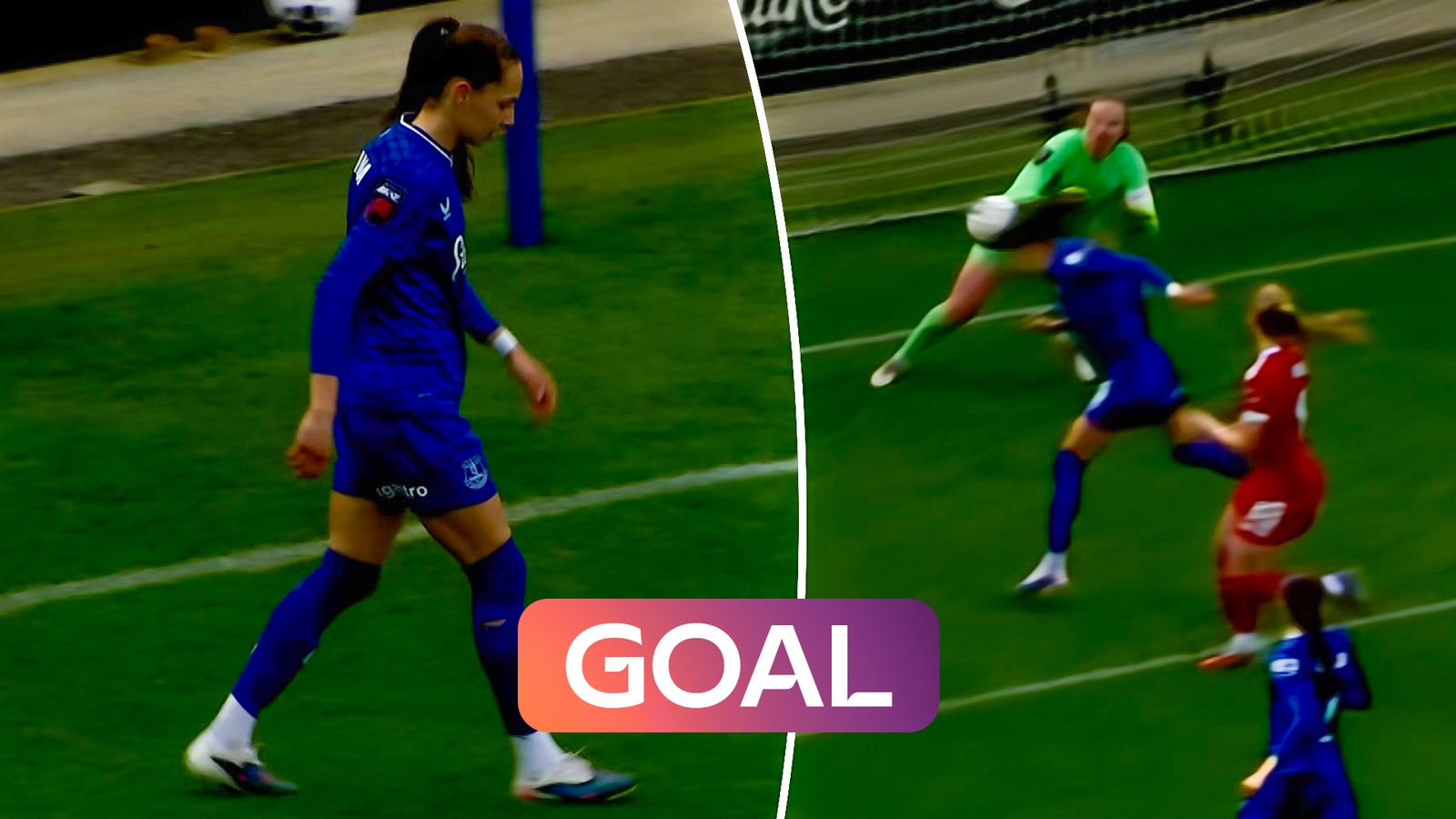
Everton's WSL derby nightmare just got worse with Fernandez's own goal
2 months agoWhy Manchester City are primed to dismantle United in the WSL derby
2 months ago