The Strasbourg mutiny begins
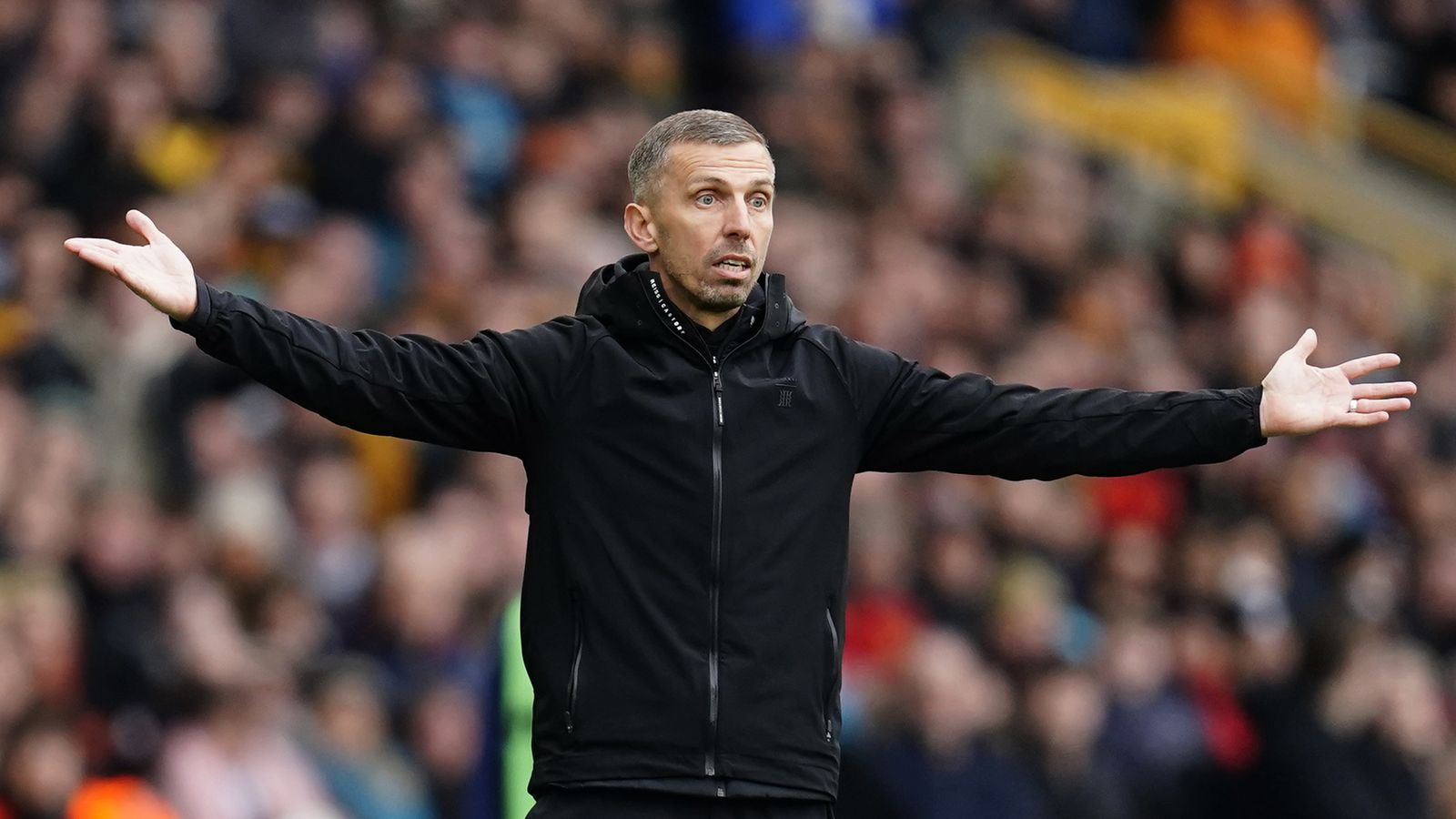
Gary O'Neil is not typically a man known for public outbursts against his employers. During his stints at Bournemouth and Wolves, he earned a reputation as the ultimate company man, a tactical pragmatist who found ways to squeeze points out of squads that analysts had already written off. Now, as the manager of Strasbourg, the mask has finally slipped.
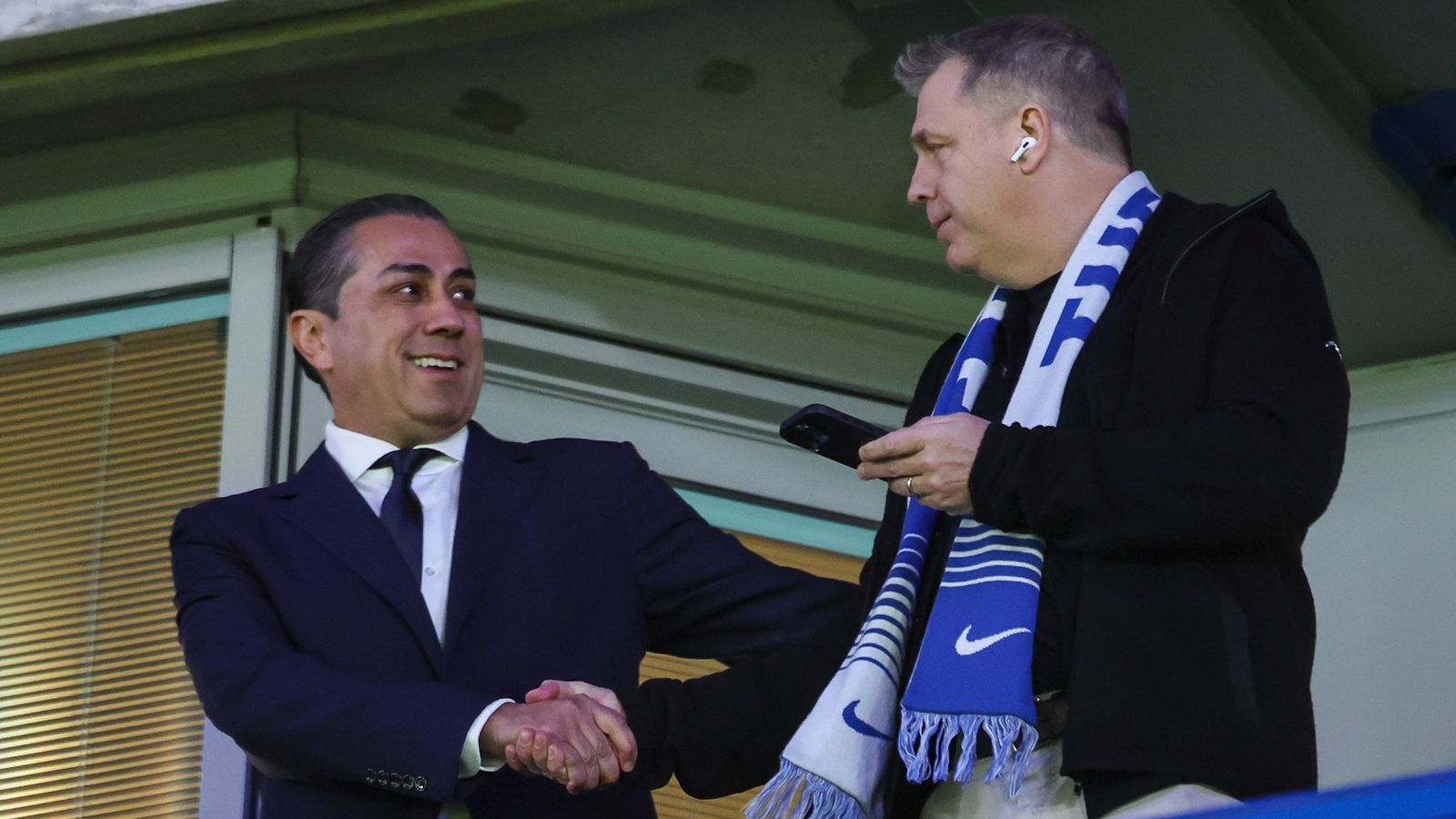
The frustration has been boiling under the surface for months, but it finally overflowed this week. O'Neil’s blunt assessment that Chelsea’s owners, BlueCo, "messed up" the January transfer window isn't just a manager venting after a loss. It is a calculated strike against a multi-club model that is currently failing everyone involved, most notably the fans in Alsace.
As Sky Sports reported, O'Neil was direct about the failures of the winter recruitment strategy. This kind of public criticism is rare within the tightly controlled "family" of sister clubs, suggesting the relationship between the dugout and the London-based boardroom has reached a breaking point.
Tactical pragmatism vs. developmental theory
The core of the problem is a fundamental disconnect in philosophy. O'Neil is a coach who builds from the back, prioritizing structural integrity and quick transitions. He needs reliable, experienced pivots and wing-backs who can handle the physical grind of Ligue 1. Instead, he has been handed a revolving door of high-potential teenagers who are more interested in their next move to Stamford Bridge than tracking a runner at the Stade de la Meinau.
The data from the second half of this season is damning. Since the January window closed, Strasbourg have averaged a miserable 0.82 points per game. Their xG against has ballooned from 1.1 per 90 to 1.6 per 90, a clear indicator that the defensive cohesion O'Neil tried to instill has been compromised by personnel choices he didn't make.
The situation has become so dire that Football365 recently noted how O'Neil has hit out at the mistakes made by the BlueCo hierarchy. This isn't just about bad signings; it is about the systematic stripping of a club's identity to serve as a feeder for a Premier League giant that currently has more players than it knows what to do with.
The January void
What exactly went wrong in January? Sources close to the club suggest O'Neil identified three specific veteran targets to help steer the team away from the relegation scrap. He wanted a battle-hardened center-back and a holding midfielder with at least 150 top-flight appearances.
He received none of them. Instead, the focus remained on "project" players whose metrics look great on a spreadsheet but who lack the positional discipline required for a team in a tailspin. This is the arrogance of the multi-club model: the belief that data can replace the intangible value of veteran leadership during a crisis.
Strasbourg’s shot conversion rate has also dipped significantly, falling to 8.4% in the last ten matches. When you fill a squad with youngsters looking for highlight-reel goals rather than tactical efficiency, this is the result you get. O'Neil is being asked to cook a five-star meal with ingredients that aren't even ripe yet.
A shadow of the Barcelona model
While Strasbourg struggles with instability, we see the opposite extreme elsewhere. Take Marcus Rashford’s situation at Barcelona. Despite the constant noise surrounding his future and the inevitable transfer links, Rashford has made it clear he wants to stay at the Nou Camp.
"I want to stay here and win titles with Barcelona. This is the place for me to grow further."
That kind of stability is exactly what O'Neil is missing. At elite clubs, even those with financial issues, there is a clear hierarchy and a sense of belonging. At Strasbourg, the players feel like they are in a waiting room, and the manager feels like a security guard watching over assets that don't belong to him.
There is a cynical edge to the BlueCo strategy that is starting to alienate the local fanbase. Supporters at the Meinau have never been shy about their feelings, and the "BlueCo Out" banners are becoming a permanent fixture. They see their club being used as a tax-efficient training ground, and O'Neil has now validated their biggest fears.
The inevitable collision
My prediction for Strasbourg is grim if this trajectory continues. Gary O'Neil is too good a manager to stay in an environment where his professional reputation is being used as a shield for poor ownership decisions. He will likely look for an exit this summer, and several Premier League clubs will be waiting to snap him up.
Once O'Neil leaves, Strasbourg will be left with a fractured squad and an even more furious fanbase. The multi-club model only works when there is a clear path for everyone, but currently, the path only leads to London. The talent pipeline is actually a one-way street that is leaving the French side empty-handed and exhausted.
Strasbourg will likely finish this season in 14th place, narrowly avoiding the drop, but that is a failure by any reasonable metric for a club with their history and infrastructure. The owners need to realize that you cannot manage a football club from a Zoom call in London without respecting the local sporting reality.
Final Verdict
Expect a major internal reshuffle at BlueCo before the June transfer window opens. They cannot afford another public roasting from their own manager. However, the damage to the relationship with the Strasbourg fans is likely permanent. If they don't pivot toward signing actual first-team players instead of "potential assets," Strasbourg will be in a genuine relegation fight by Christmas 2026.
The arrogance of thinking you can "solve" football with a multi-club spreadsheet is being exposed in real-time. Gary O'Neil was the perfect man to make this project look competent, and even he can't do it anymore. That should tell you everything you need to know about the state of the BlueCo experiment.
Read Next
- Manchester United's summer overhaul: The Ederson pursuit is heating up
- Arsenal target Roma ace Wesley in 52 million pound summer push
- Chelsea are gambling their future on a manager search that ignores the root cause
- Manchester United's summer rebuild faces immediate turbulence
- ⚽ Ligue 1 2025-26 — PSG, Monaco & the Title Race Hub