The statistical weight of a lost generation
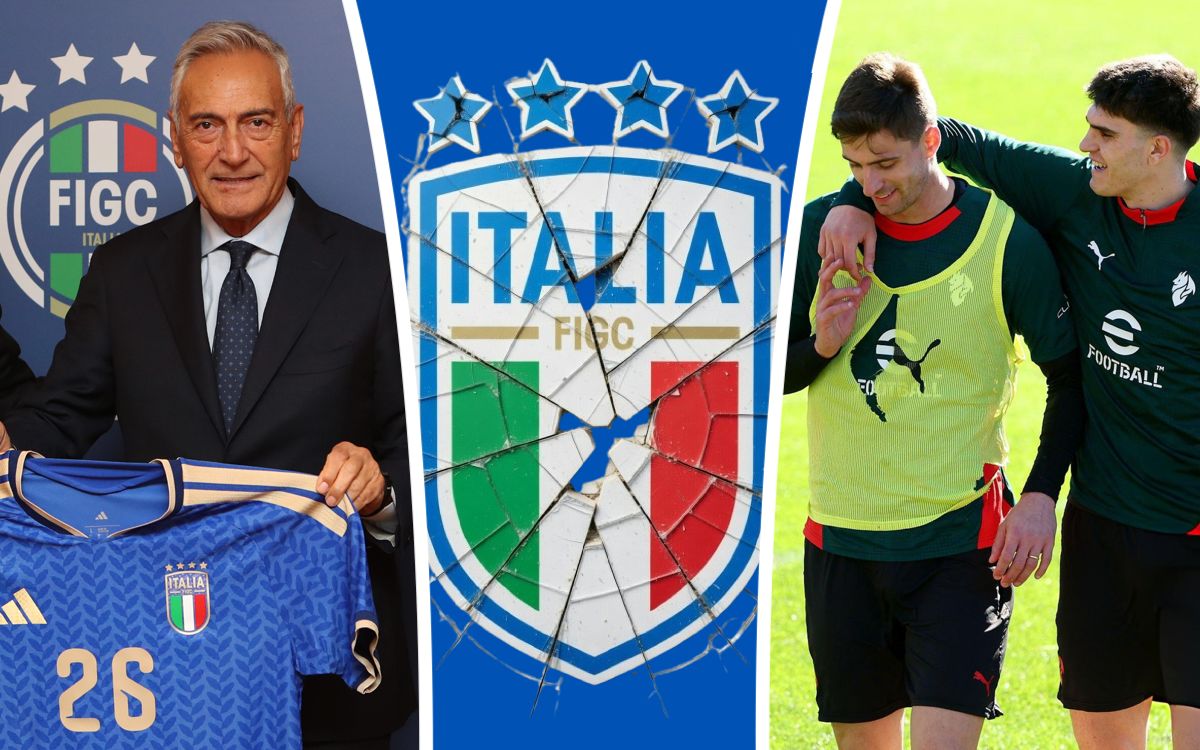
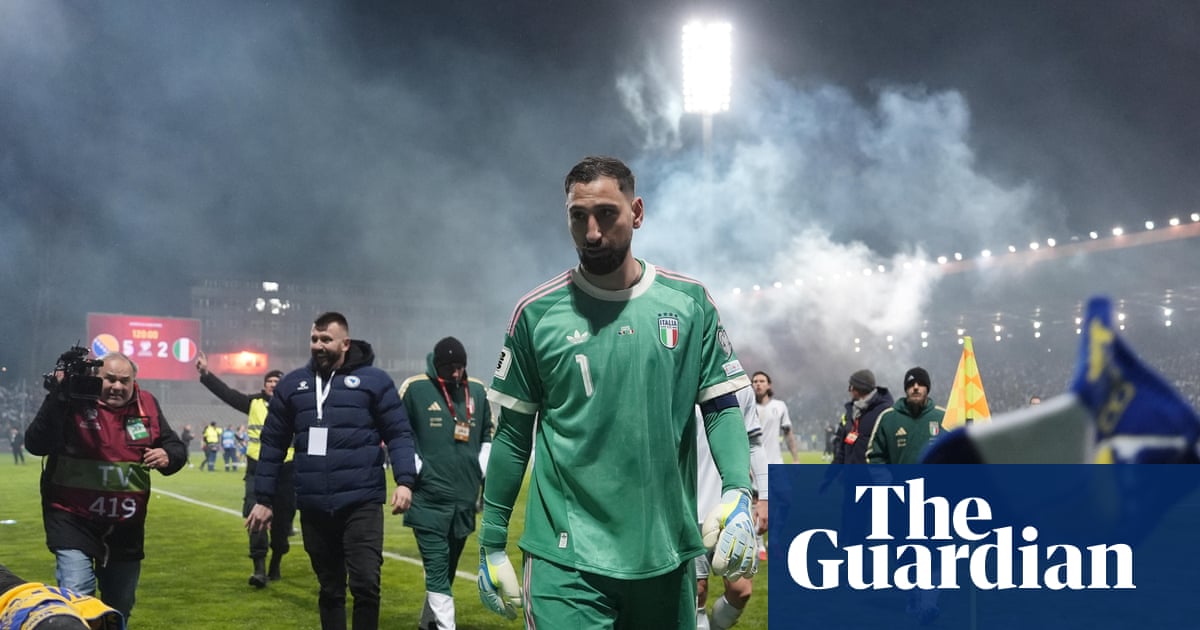
Italy missing the World Cup is no longer a surprise; it is a recurring data point. When Gennaro Gattuso mutually terminated his contract today, he became the face of a failure that spans three election cycles of disappointment. By failing to qualify for the 2026 tournament, Italy has officially missed the sport's marquee event for the third consecutive time.
This is not a fluke. It is a mathematical trendline pointing toward deep-rooted domestic decay. Between 1934 and 2006, Italy was a perennial titan, winning four titles and consistently qualifying. Since the triumph in Berlin, the path has been a jagged downward curve. They are now the first major European footballing power to endure a streak of this magnitude since the tournament expanded, effectively losing their seat at the top table for over a decade.
The organizational breakdown
The institutional collapse is reflected in the high-level departures accompanying Gattuso’s exit. The resignation of the head of the Italian football association and the departure of Gianluigi Buffon, who served as the head of the delegation, signal a vacuum at the top. When the leadership layer of a national federation dissolves, stability becomes impossible.
As reported by The Guardian, the federation is already looking toward potential replacements, with two former Premier League managers circulating in internal conversations. However, tactical tweaks are unlikely to address the 0% conversion rate in high-pressure qualifying playoffs. The issue isn't restricted to the dugout; it is systemic.
Defining the failure
- Failed qualifications: 2018, 2022, 2026.
- Consecutive missed tournaments: 3.
- Total years outside the main stage: 12.
- Leadership vacuum: Multiple executive-level resignations.
The pressure on the FIGC is mounting, with UEFA already issuing warnings regarding the hosting status for Euro 2032. If the federation cannot stabilize its internal governance, it risks losing the very event meant to redeem its reputation. The sentiment within the country has shifted from frustration to a demand for structural austerity; some players have even been advised to avoid public appearances due to the physical nature of the local backlash.
The path ahead is narrow
Critics will argue that a change in management, perhaps to a high-profile ex-Premier League tactician, could provide a 20-30% improvement in defensive structure. That is short-term math meant to soothe the media. It ignores the reality that Italy has failed to modernize their youth trajectory to match the physical demands of modern international football.
While the Premier League churns out tactical specialists, the Italian domestic system remains tethered to outdated methodologies. The next manager—whoever they are—will be inheriting a squad that lacks the requisite ruthlessness observed in current dominant sides like Japan, whose emphatic victory in the Women's Asian Cup shows how a clear, long-term identity separates winners from those left watching from the sidelines.
As BBC Sport noted, the exit was mutual, yet it feels like an admission of absolute defeat. Gattuso, who stated it was an honor to lead the team, now leaves behind a project that has effectively run out of runway. The numbers don't lie: three missed World Cups is not a crisis; it is a permanent redirection of a legendary footballing nation into the secondary tier of European legitimacy.
Read Next
- The FA is finally admitting the fixture calendar is breaking players
- Italian football hits reset as the federation president resigns
- Top 10: The Scottish Premiership Title Race Dynamics
- FA Cup quarter-finals and the wreckage of international failures
- 🇮🇹 Italy at the 2026 World Cup — Full Coverage Hub