The collapse of Italy's governing structure
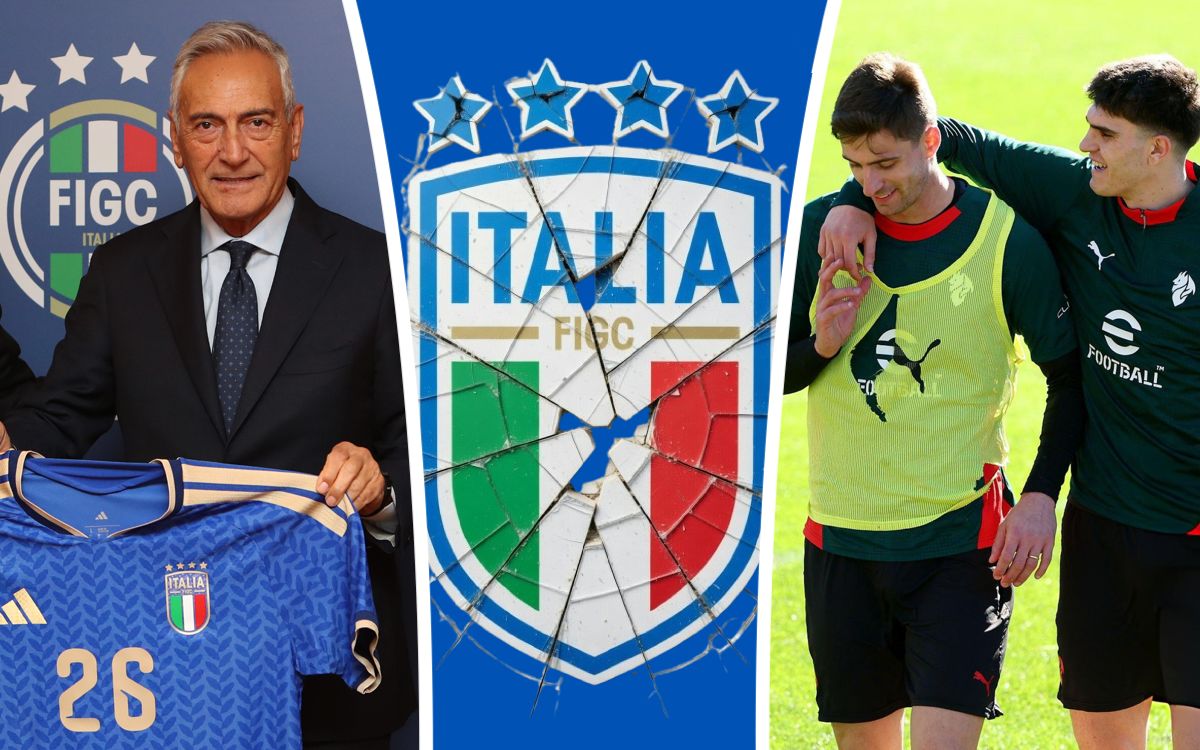
Gabriele Gravina has resigned as president of the Italian Football Federation, following the national team’s failure to qualify for the 2026 World Cup. The move is not just a change in leadership; it is a forced exit triggered by systemic failure. This transition leaves the federation in a vacuum just as UEFA pressure mounts over the hosting of Euro 2032.
The fallout extends directly to the dugout. As The Guardian reported earlier today, Gennaro Gattuso’s future as head coach is non-existent. His tenure is considered over by the stakeholders currently attempting to salvage the administrative wreckage left behind by Gravina’s administration.
The stadium crisis and UEFA's ultimatum
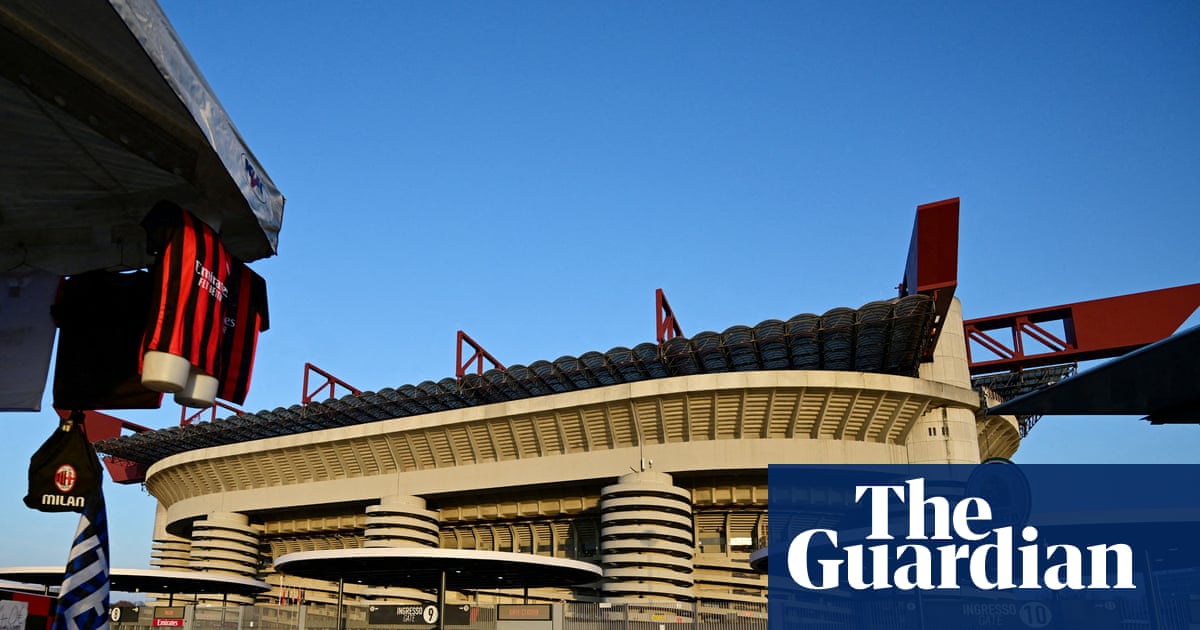
Aleksander Ceferin didn't pull punches in his latest assessment. He labeled Italian stadia among the worst in Europe, explicitly stating that the country risks losing its co-hosting rights for Euro 2032 if there is no immediate investment in facility modernization. The warning is clear: the status quo is no longer a viable path for the FIGC.
Italy’s inability to host major tournaments with modern venues creates a fiscal drain. The lack of proprietary, secondary-revenue-generating stadiums prevents clubs from competing with the financial might of the Premier League or La Liga. This cycle of financial stagnation forces reliance on outdated business models, which effectively guts the national talent pipeline.
A toxic cycle for the youth ranks
The institutional rot reaches deep into the academy systems that are supposed to supply the next generation of Azzurri stars. Former youth prospects have described a 'toxic system' where the focus is shifted away from player development and toward short-term political wins for federation officials. As noted in recent accounts from ex-youth players, the current environment consistently fails to reward tactical innovation or raw technical talent.
Milan remains one of the few institutions attempting to reorganize their internal scouting and development to circumvent these national issues. However, individual club efforts cannot offset the lack of a cohesive national strategy. When the federation itself provides a masterclass in mismanagement, professional development at the club level suffers from systemic underfunding and lack of vision.
What this means for the broader game
The vacancy at the top of the FIGC creates immediate uncertainty. With World Cup hosting duties looming and the collapse of the senior squad's morale, the next caretaker or permanent president faces a near-impossible task. If the federation does not secure the 2032 stadium requirements by the next UEFA oversight committee meeting, the reputational damage could prevent future tournament bids for decades.
Meanwhile, managers like Roberto De Zerbi are already looking elsewhere, as evidenced by rumors of him taking over at Tottenham to avoid the stagnation inherent in the Italian domestic scene. This exodus of coaching talent is the logical extension of a league that refuses to modernize its venues or its administrative practices. The resignation of Gravina is the first domino, but the structural foundations of the sport in the country are currently being held up by nothing at all.
The coming weeks will likely see an aggressive search for an interim director to stabilize the federation before the summer break. Until then, the Italian national program is effectively stalled. Expect no tactical evolution or selection overhaul until a new board manages to sign off on the 2032 stadium budget requirements.
Read Next
- Italy needs to wake up or Euro 2032 is gone
- Italian football has reached its breaking point
- Italy will lose the Euro 2032 bid unless they stop procrastinating
- Milan's injury plague is finally ending, but the goals are missing
- ⚽ Serie A 2025-26 — Title Race Hub (Inter, Napoli, Juve, Milan)
- 🇮🇹 Italy at the 2026 World Cup — Full Coverage Hub