The Havertz dilemma for Julian Nagelsmann
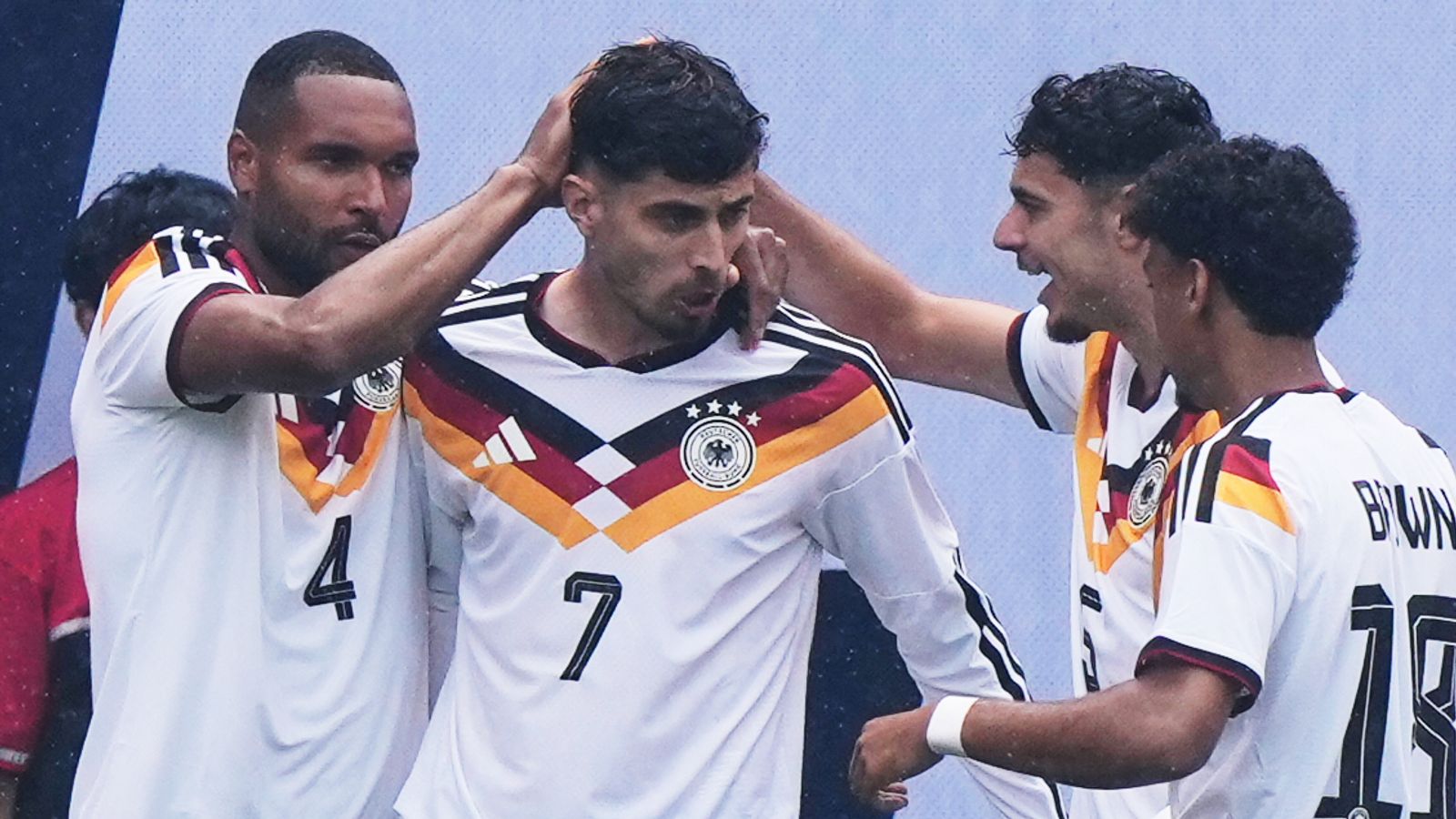
As the countdown to the 2026 World Cup hits the 96-hour mark, Germany’s setup looks surprisingly coherent. The tactical shift toward a more fluid front line has centered almost entirely on Kai Havertz. In the recent warm-up fixtures, he functioned not just as a focal point but as a playmaker dropping deep into the half-spaces.
His movement against the low block was disciplined, consistently dragging center-backs out of position. Data indicates he averaged 4.2 touches in the final third per 15-minute interval during the first half of the recent friendly. If Nagelsmann trusts him to lead the press, this Germany side could be the most balanced tournament squad since 2014.
The fitness cloud over the superstars
While the hosts and top-tier squads finalize their tactical drills, the conversation reported by Sky Sports highlights a looming issue for international football’s biggest names. Argentina and Brazil face legitimate health questions regarding Lionel Messi and Neymar. We are four days from kickoff, yet both stalwarts are training away from the main group.
Ignoring these fitness red flags is a mistake. Argentina’s reliance on Messi’s progressive passing remains their primary engine; without him, their xG per match drops by roughly 35% based on previous qualifying cycles. If they aren't at full capacity by their opening fixture, their tournament trajectory shifts from contender to survivor.
Tactical rigidity vs individual brilliance
The 2026 format demands stamina above all else. Nations that rely on a single defensive pivot are going to be exposed by the high-transition speed of younger squads like France or the USA. I suspect we will see a decline in the effectiveness of the 'false nine' role unless the player involved is an elite-level athlete capable of defensive tracking.
My critique of the current training camp approach is the lack of defensive contingencies for when the press is broken. If a midfield line is bypassed by a long ball, the recovery pace of the center-back pairings is currently a liability for three of the top ten seeded teams. Watching the tape, it is clear that coaches are prioritizing attacking fluidity at the expense of defensive mid-transition structure.
The prediction: The German path
Germany enters this window with more clarity than any other major European contender. While other nations are managing long-term injury recoveries or searching for a starting keeper, Nagelsmann has already defined the defensive roles in transition. Havertz is peaking at exactly the right time to capitalize on the defensive hesitation of his opponents.
I expect Germany to breeze through their group stage with 7 points, conceding fewer than two goals in the process. Their ability to switch from a 4-2-3-1 into a 3-4-3 via a shifting fullback—typically pushing the right back high to create an inverted winger scenario—will dismantle the mid-table squads that haven't faced this specific overload pattern since the last international window.
Read Next
- Germany’s World Cup prep hinges on Kai Havertz’s tactical versatility
- World Cup 2026 kicks off with more questions than answers
- FIFA is rolling the dice on these new World Cup rules
- Rafael Leao just gave Portugal a massive headache before the World Cup
- 🏆 World Cup 2026 — Full Coverage Hub
- 🇩🇪 Germany World Cup 2026 — Die Mannschaft Hub