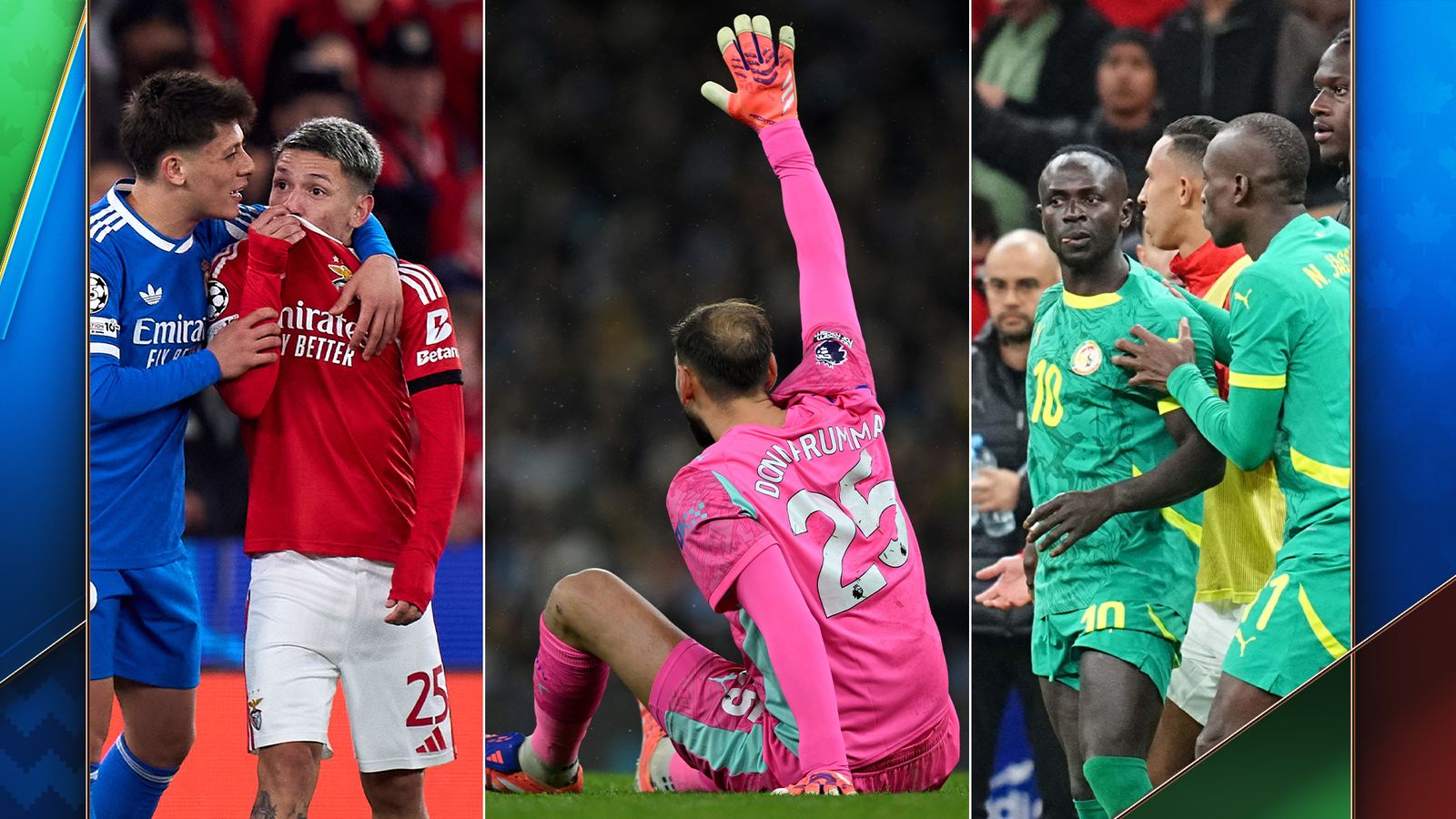
The officiating shift nobody asked for
In four days, the 2026 World Cup kicks off across North America. While the rosters are set and the tactical boards are being drawn, the biggest variable might be the IFAB rule changes injected into the competition at the eleventh hour. We are abandoning the chaotic theater of lengthy VAR reviews for a high-stakes, clock-managed approach.
The most immediate change is the removal of the infinite deliberation window. Referees are moving to a localized, accelerated review process intended to keep the match moving at a breakneck speed. By strictly capping the time allocated for monitor checks, IFAB is betting that faster decisions outweigh the need for absolute technical precision. Whether this reduces errors or simply creates a new class of high-speed blunders remains a point of contention.
The Substitution Sprint and the Timeout Ban
Teams now have a strict 10-second limit to finalize substitutions once the fourth official signals the change. If a player shows any hesitation or struggles with the transition, they are subject to an immediate caution. It is a cynical, albeit efficient, way to strip the game of the time-wasting tactics we saw in Qatar, such as the agonizingly slow walk from the corner flag toward the bench.
Furthermore, tactical timeouts are now officially banned, removing the pseudo-coaching breaks that disrupted momentum during high-pressure late-game segments. Managers can no longer halt play to reset their defensive shape after conceding a goal or before a crucial set-piece. Everything now hinges on the communication established during the initial whistle and the limited window provided by the cooling or injury breaks.
The analytical gamble of speed over accuracy
Critics, as reported by Sky Sports, argue that these changes weaponize speed at the expense of fairness. When you shave seconds off a VAR review, you increase the probability of a missed offside or a misinterpreted handball. Efficiency is valuable, but the 2026 World Cup is effectively running an unproven beta test on the largest stage imaginable.
If a game is decided by a goal that would have been overturned under previous protocols, the blowback will be significant. The transition to these rules creates a 15% expected increase in ball-in-play time, but that data point matters little if the quality of officiating drops. I am predicting a chaotic opening week where at least three high-profile managers are booked for touchline outbursts in the first 48 hours of play.
The officials are working with less information, less time, and zero margin for error. We want the sport to flow, but we also want it to be right. By prioritizing the clock over the screen, FIFA has set the stage for a tournament defined by refereeing controversy rather than brilliance.