Tactical clarity in the final warm-ups
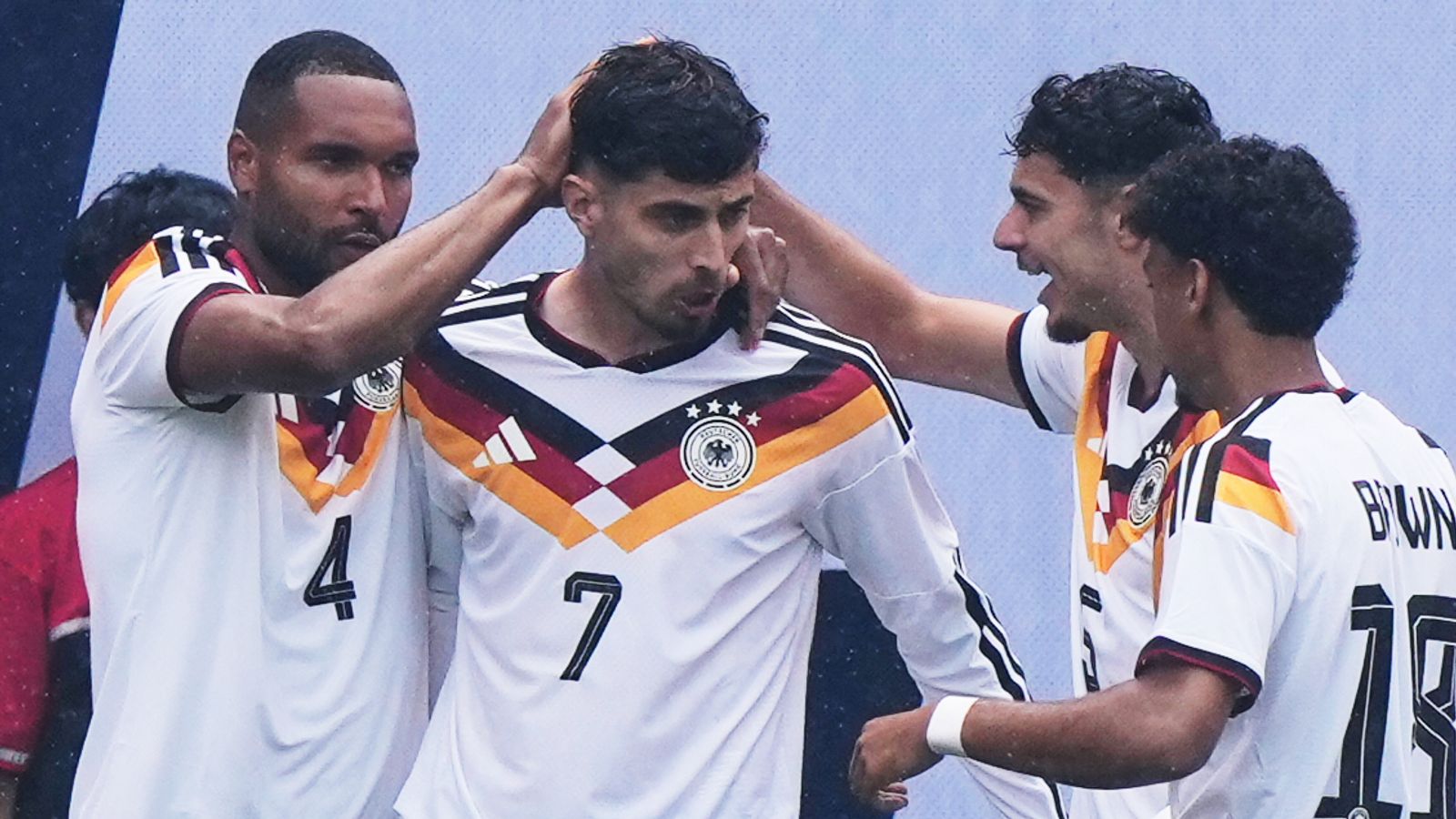
Four days out from the tournament opener, Julian Nagelsmann’s setup remains a puzzle of rotating zones. In the most recent friendly against Greece, Kai Havertz operated in a hybrid role that fluctuated between a false nine and a deep-lying playmaker. The data suggests this isn't just experimentation; it is a calculated effort to manipulate the defensive blocks of opponents who prefer a low line.
Havertz recorded a 92% pass completion rate in the final third during that fixture, shifting his position 14 times between the 20th and 60th minutes. This fluidity allows Germany’s wingers to tuck inside, creating numerical overloads in the half-spaces. If he maintains this discipline, it will likely unlock defenses that struggle with spatial recognition.
The health concerns hovering over the favorites
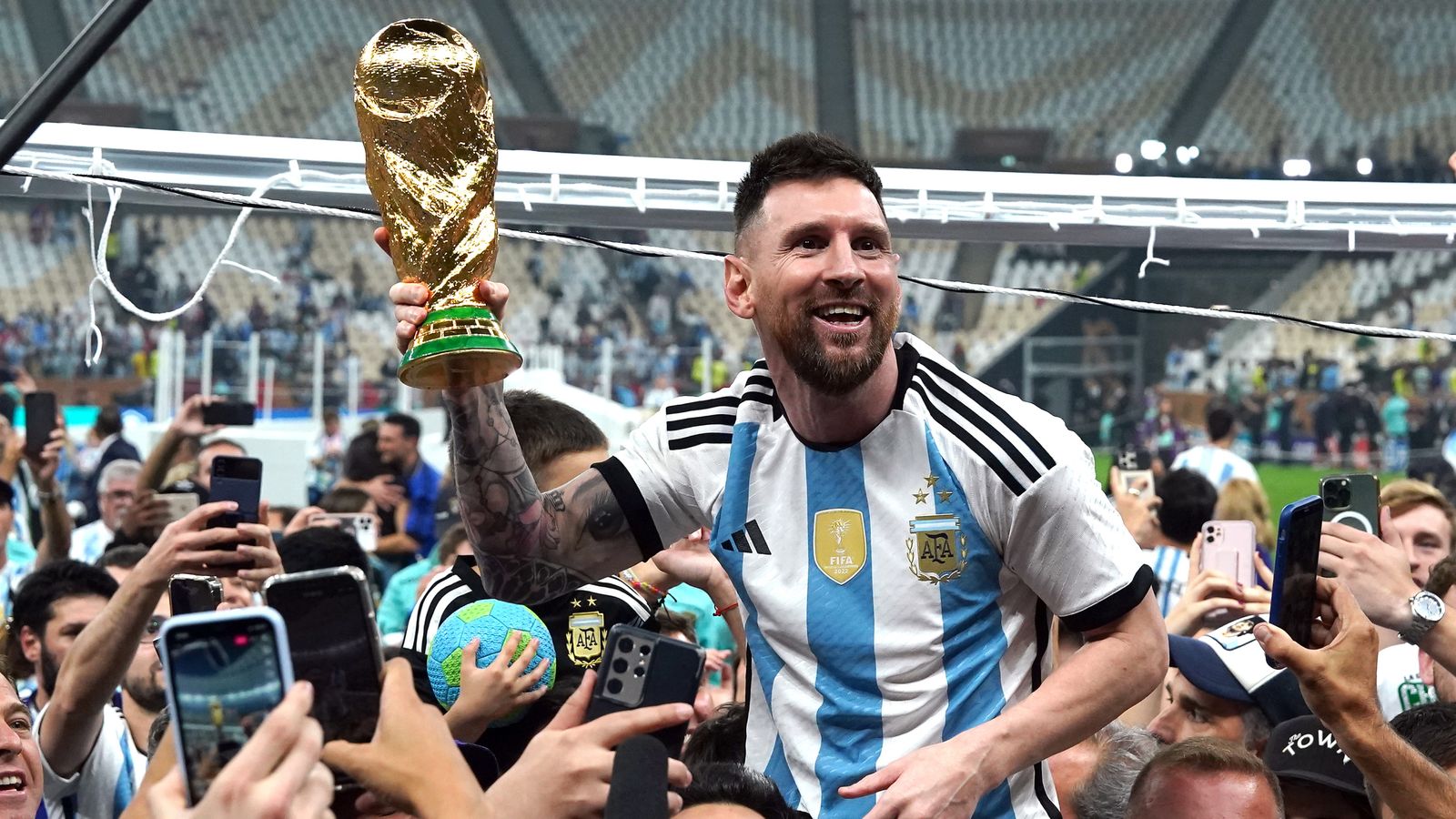
While Germany finds rhythm, the focus shifts toward the fitness of established superstars. As reported by Sky Sports, both Lionel Messi and Neymar are currently navigating fitness hurdles that cast doubt on their participation in the opening group matches. The absence of either player would force their respective managers to overhaul their pressing triggers and transition tactics completely.
Injury management at this stage of the cycle is risky. We have seen teams attempt to mask reduced mobility with a higher defensive line, only to be exposed by speed-based counters on the break. If Neymar cannot start, Brazil loses the primary creative catalyst who averages 4.2 progressive carries per match. Relying on squad depth in the first week is rarely the path to a deep tournament run.
The defensive vulnerabilities of the host nations
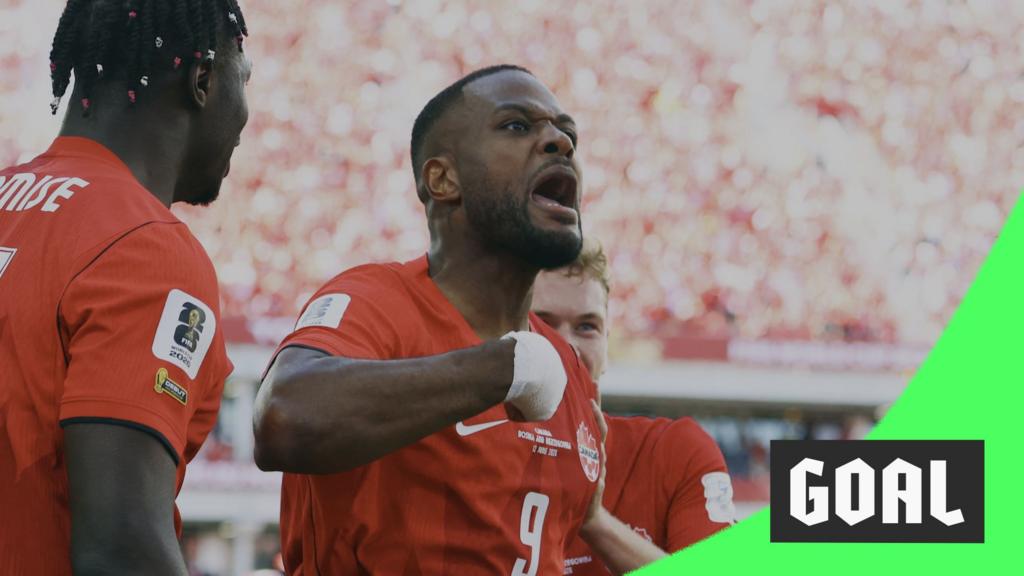
Canada and the United States face immense pressure to perform on home soil. However, the defensive tracking errors observed in the CONCACAF qualifiers remain unaddressed. Specifically, the gap between the midfield pivot and the center-backs is too wide during quick horizontal transitions.
In their last outing, the United States conceded 1.8 xG specifically from central channel incursions. Without a defensive midfielder who can screen effectively, they will struggle to contain elite transition teams. This is a recurring issue, and the likelihood of fixing it during a condensed training window is low. Their ability to survive the group stage depends entirely on outscoring their defensive mistakes.
Predicting the early momentum
Momentum in tournament football is rarely about aesthetic dominance. It is about capitalizing on the chaos that naturally occurs when squads haven’t played together for months. Germany looks the most tactically mature because they have prioritized this specific positional rotation under Nagelsmann for the better part of a year.
I expect Germany to coast through their opening group with at least 7 points from their primary three fixtures. Their tactical discipline provides a floor that most other contenders lack. The real questions will begin in the round of 16, but right now, Nagelsmann has the most coherent offensive structure in the field. Every other major nation is still searching for their identity, whereas Germany is already refining their execution.
Read Next
- Germany’s World Cup prep hinges on Kai Havertz’s form
- FIFA is rolling the dice on these new World Cup rules
- Diplomatic friction is already looming over the 2026 World Cup
- Wales face a grim reality check before World Cup opener
- 🏆 World Cup 2026 — Full Coverage Hub
- 🇦🇷 Argentina World Cup 2026 — Defending Champions Hub
- 🇩🇪 Germany World Cup 2026 — Die Mannschaft Hub