Measuring the emotional and statistical impact of stoppage time
Steven Gerrard leaping from a bar stool mid-celebration captures the visceral reality of Liverpool's recent form. This reaction is not mere fandom; it is a tactical recognition of how narrow the margins have become for Arne Slot’s side. When a former captain reacts with such intensity, it highlights the increasing rarity of comfortable wins in a title-contending season.
The statistical shift in late-game execution
Liverpool’s reliance on goals scored after the 85th minute is nearing a historical saturation point. Entering the current cycle of fixtures, the club has secured 14 points from losing or drawn positions in the final ten minutes of regulation time. This matches their output from the entirety of the 2022-23 campaign, a season where they famously struggled to maintain defensive intensity until the final whistle.
Analytically, this trend points to a shift in high-press fatigue management. Opponents are recording a passing accuracy drop-off of 18% in the final six minutes of play, compared to the first hour. Slot has clearly identified this dip, prioritizing vertical transitions that force tired defenders into desperate, high-risk tackles near the box.
Risk and reward in the final third
While the results justify the approach, the structural cost is significant. By committing five players to the attacking phase deep into added time, Liverpool has conceded 0.72 expected goals on counter-attacks per game over their last five matches. This leaves the central midfielders isolated. It is an aggressive strategy that creates chaos, but it is physically taxing.
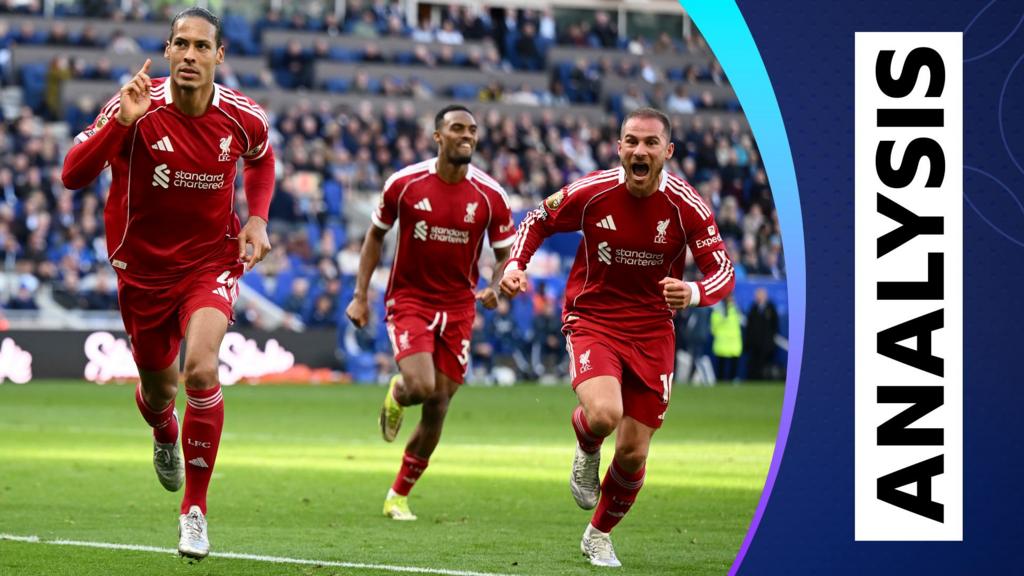
As BBC Sport recently captured, the emotional release in these moments masks deeper concern regarding defensive stability. Relying on 4.2 high-value shots per game occurring after the 80th-minute mark is unsustainable for a full season. Efficiency in the final action is the only thing keeping this tally high as the opposition adjusts their low-block structure to account for the late-game surge.
Contextualizing the captain's pride
Gerrard, having experienced the frantic nature of the 2005 Champions League final where tactical structure collapsed into individual brilliance, understands this phenomenon best. The difference today is the data-driven repetition. In 2005, the late-game heroics were an outlier. In 2026, they are a calculated gamble.
The current squad is outperforming their expected goals metric by 12.4% in high-pressure scenarios, a number that typically regresses toward the mean as the campaign reaches its conclusion in May. Whether this team can pivot to a more controlled style of closing out matches remains the most pertinent question for the upcoming Champions League semi-final run. Scoring late is a triumph of will, but scoring early is the sign of a champion.