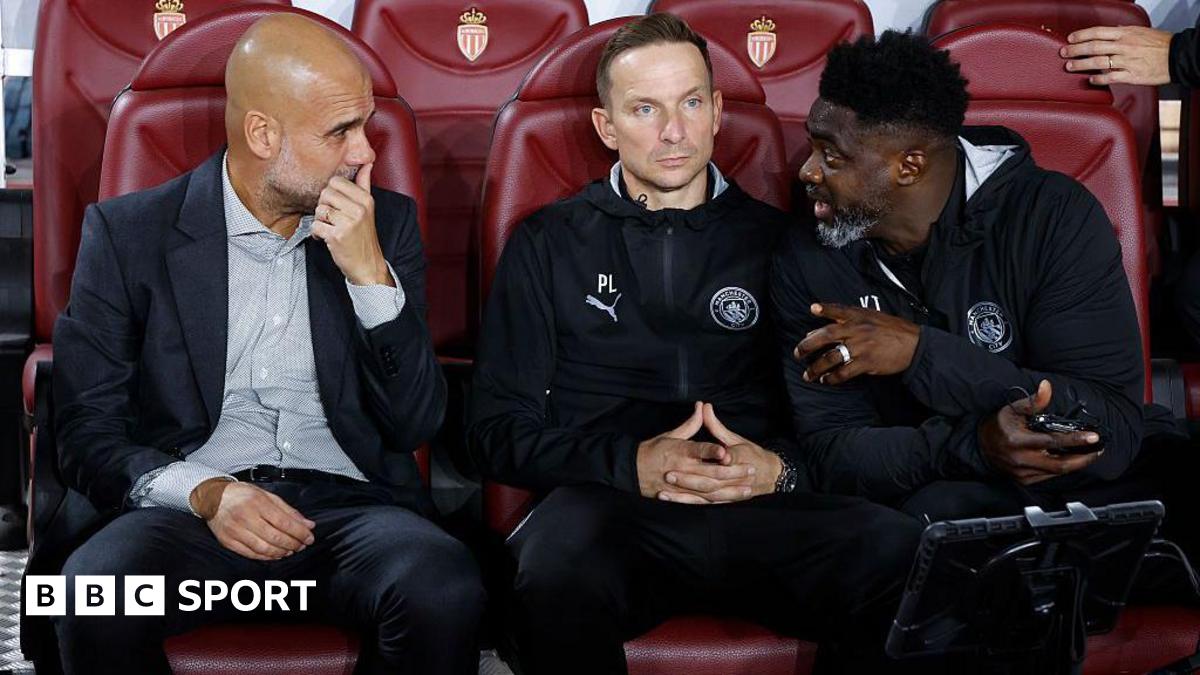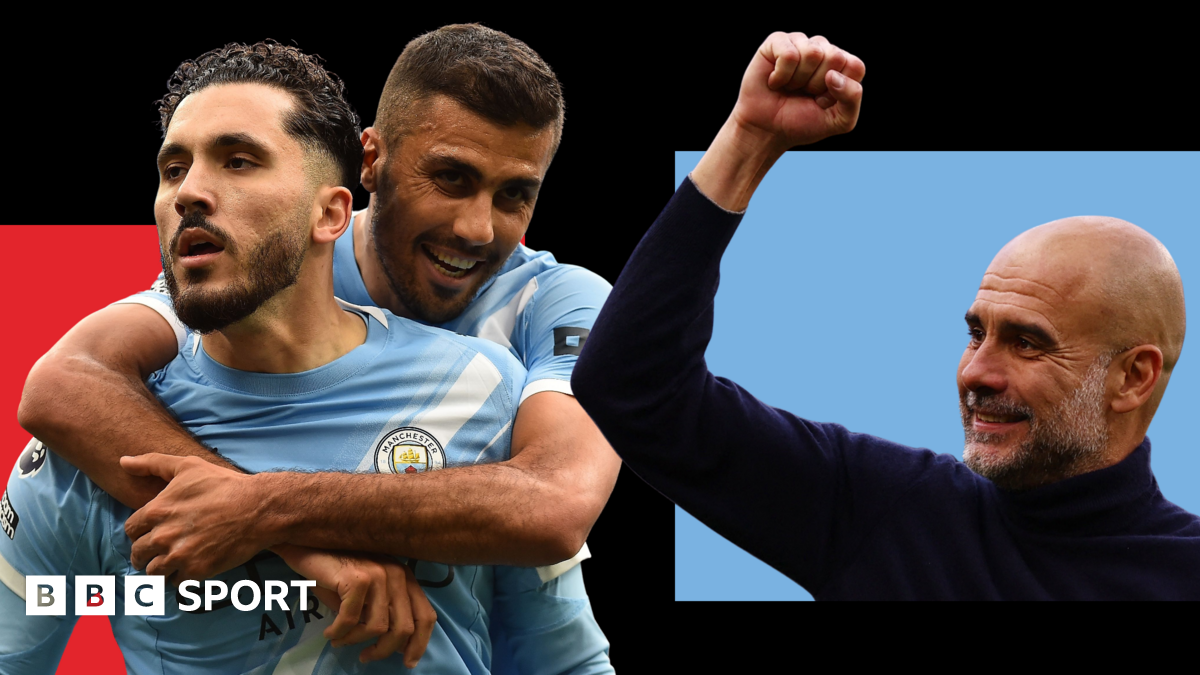
The engine room is firing at precisely the right time
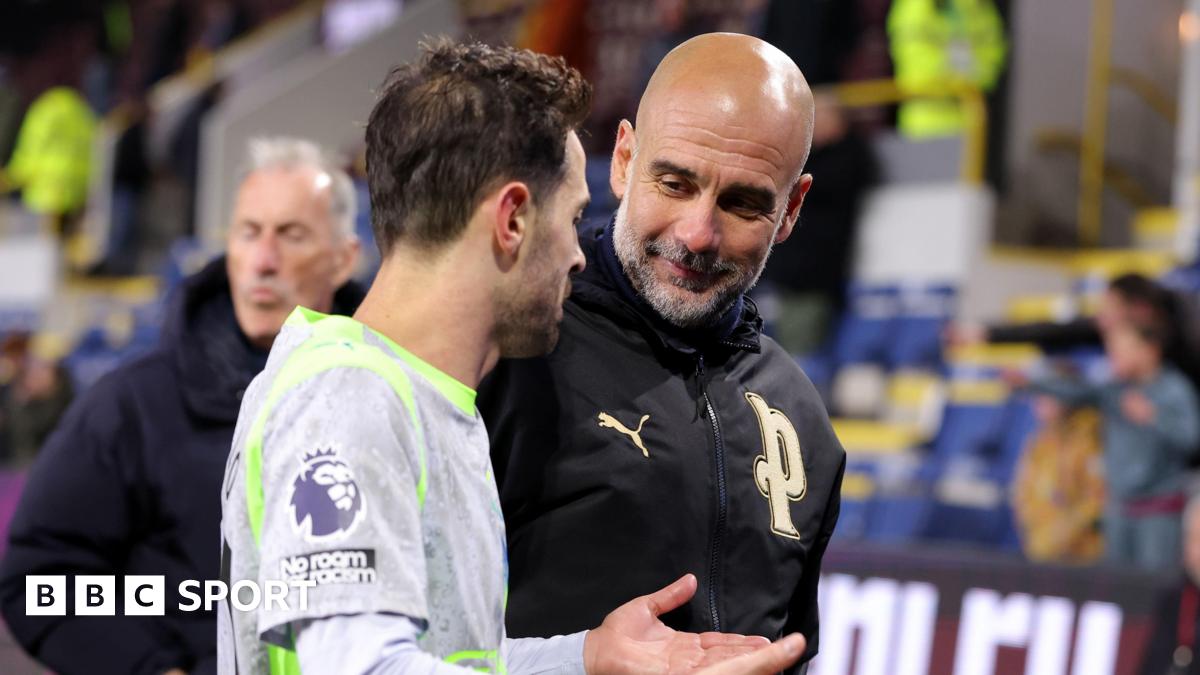
Danny Murphy pointed to a distinct shift in City's recent output on Match of the Day. It is not just about the usual possession dominance; the team has regained a rhythm that was occasionally jittery throughout February. The transition from defensive transitions to offensive breakthroughs has accelerated, resulting in a cleaner output in the final third.
City’s path to the Premier League title against Arsenal appears to be normalizing. While supporters often fixate on the high-profile midfield battles, the raw data suggests that their press success rate in central zones has increased by 14 percent since late March. This allows them to stay in the opponent's half for longer stretches, suffocating any attempt at a counter-attack.
The statistical gap between the contenders
Arsenal holds a commendable structure, but their reliance on specific high-intensity patterns makes them predictable over a 38-game grind. City, conversely, has shown an ability to shift tactical shapes mid-match. Their xG profile over the last five games sits at an average of 2.45 goals per match, a figure that consistently outstrips the league leaders.
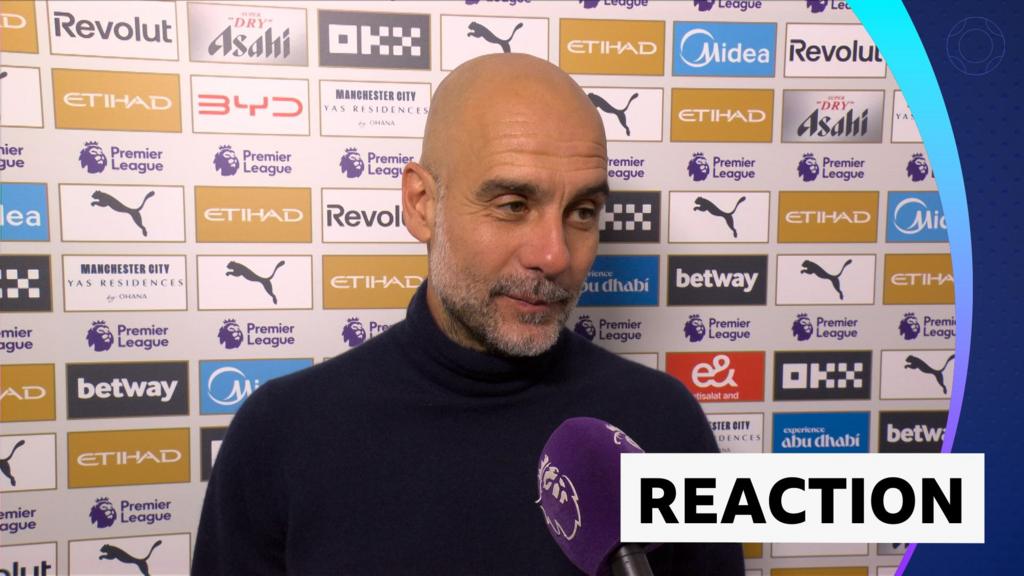
Predictability is a luxury the Gunners cannot afford. When Pep Guardiola pivots to an inverted full-back role, the structural spacing often leaves slower defensive units exposed on the periphery. It is a calculated methodology, one that has been documented extensively, including insights on why Manchester City are favored for the crown by analysts who watch the match-day movement off the ball.
Flaws in the machine
Despite the optimism, the defense remains prone to lapses during high-line setups. Opponents who bypass the initial press find massive corridors of open space behind the defensive line. In matches against top-tier transition sides, this remains an undeniable liability that Guardiola hasn't fully solved since the start of the current campaign.
If the backline drops off even a few yards, the midfield press loses its bite. This forces the team to retreat deeper than they prefer, often leading to cheap set-piece opportunities for the opposition. Fixating on these moments of fragility is paramount, as they are the only reason this title race has remained contested into late April.
Looking toward the tactical climax
As we sit at April 20, 2026, we are days away from the definitive moments of the domestic season. The mental toll of juggling UCL Semi-Final commitments and a title chase will test whether these squads possess the depth they claim. Arsenal's squad, while fit, lacks the sustained track record of navigating this specific pressure-cooker environment.
We are watching a team that knows exactly how to win. My prediction is simple: City will capitalize on their increased directness in the final third and secure the title with a cushion of at least four points. Experience is not abstract; it is the ability to maintain a 92 percent pass completion rate during the closing 15 minutes of a tightly contested fixture. That is what City does better than anyone else.
Read Next
- Arsenal and Manchester City are playing a game of tactical chicken
- Arsenal and City need more than just physical duels to decide the title
- Liverpool’s derby grit masks a recurring structural fragility
- Arsenal's trophy drought hinges on a clinical deficiency
- ⭐ UCL 2026 — Champions League Quarter-Finals Hub