The rescue act at the City Ground
For forty-five minutes on Sunday, Nottingham Forest looked like a team resigned to the gravitational pull of the Championship. Trailing 1-0 to a Burnley side that has spent most of the season being everyone's favorite punching bag, the atmosphere at the City Ground was toxic. Zian Flemming’s goal just before the interval wasn't just a setback; it was an indictment of a passive mid-block that allowed Burnley far too much time to circulate the ball. Forest were static, their spacing was disjointed, and the gap between the double pivot and the attacking trio was wide enough to sail a barge through.
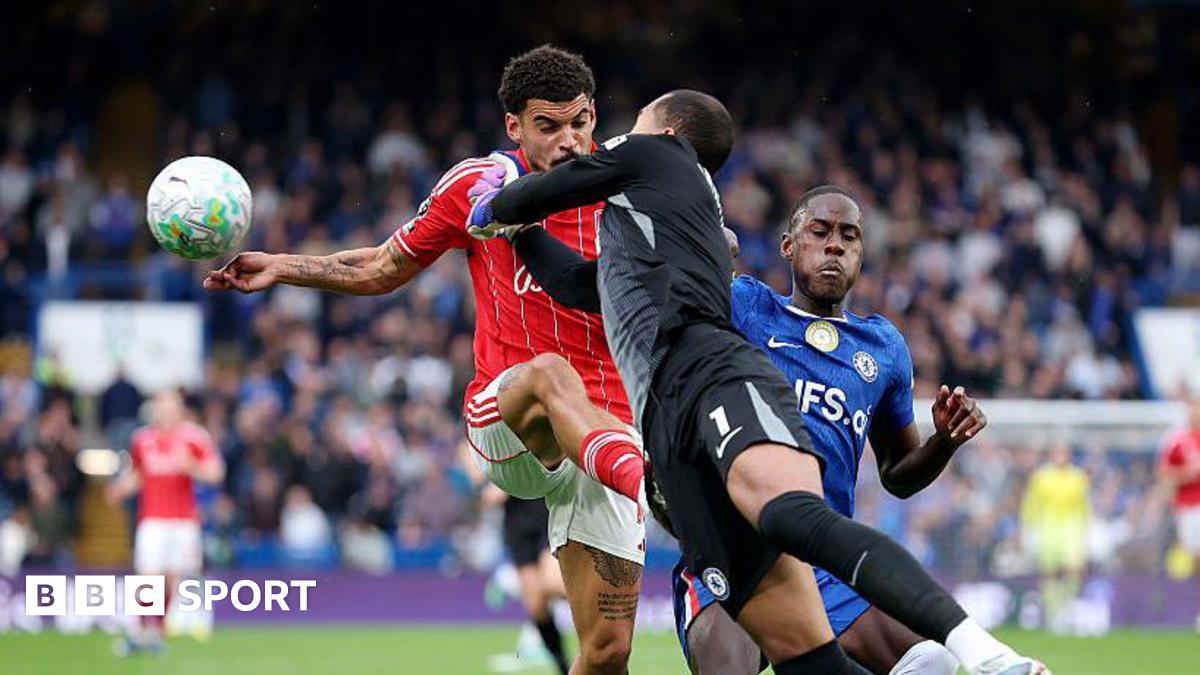
Then Morgan Gibbs-White decided he wasn't ready for Friday nights in Luton. His second-half hat-trick was a masterclass in opportunistic positioning and technical execution. The first, a sharp finish in the 62nd minute, broke the tension. By the time he completed his treble in the 77th, Forest had turned a potential disaster into a 4-1 rout. As Sky Sports reported, Gibbs-White hailed the win as a "massive step" towards survival. He is right, but the five-point cushion they now enjoy is a fragile safety net given what lies ahead.
The Sunderland tactical puzzle
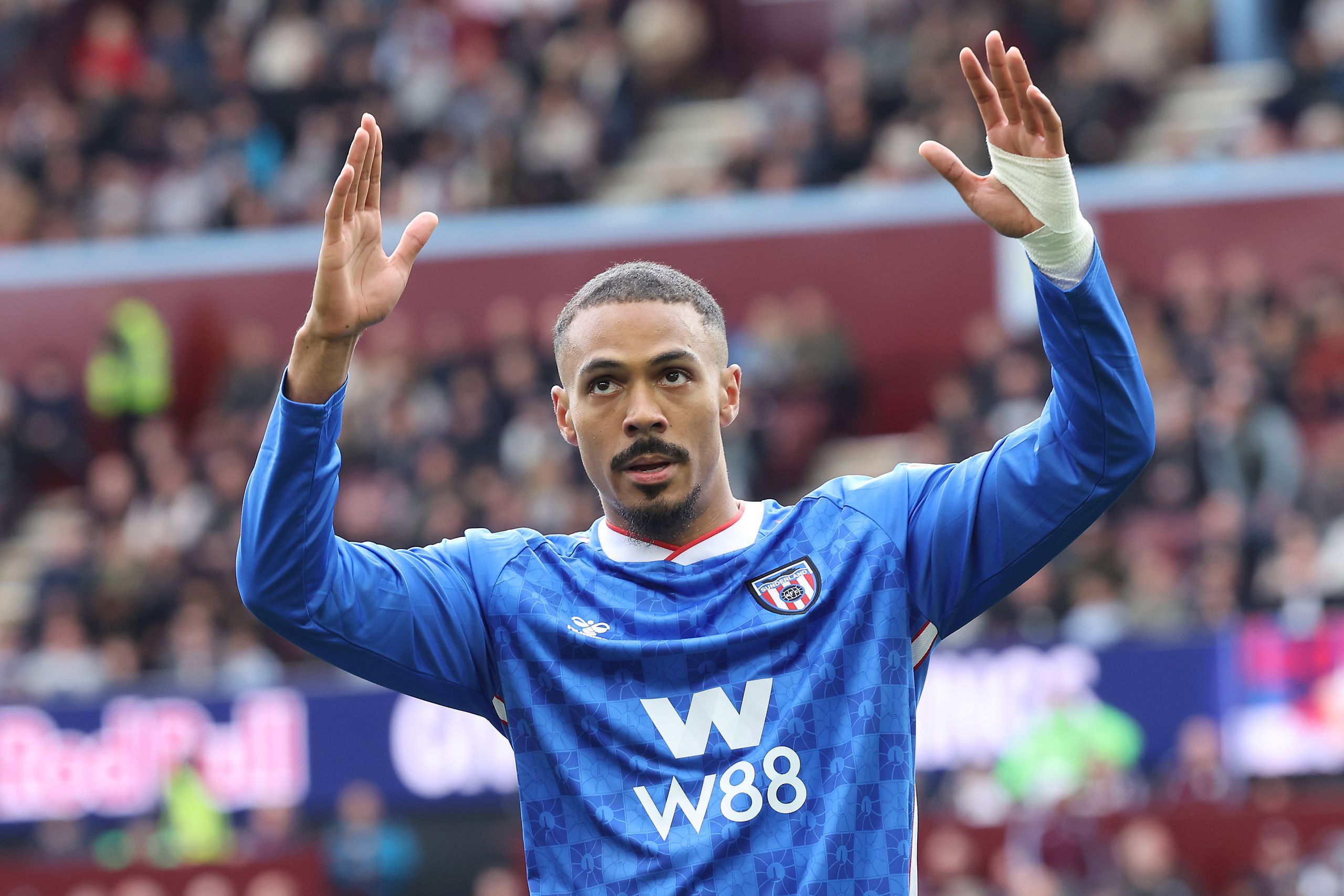
Friday’s trip to the Stadium of Light presents a different kind of tactical headache. Sunderland under Regis Le Bris have developed into one of the league's most efficient transitional teams. While Forest struggled with Burnley's slow build-up, they are notoriously vulnerable when they turn the ball over in the middle third. If Nuno Espirito Santo persists with the same expansive shape that allowed Burnley to dominate the first half, Sunderland’s pace on the wings will punish them. The key battle will be in the half-spaces where Gibbs-White operates. Sunderland often employ a rigid 4-1-4-1 defensive structure, and if they can successfully shadow Forest's number ten, the supply line to Igor Jesus will dry up instantly.
Forest’s defensive metrics remain a cause for concern despite the scoreline against Burnley. They conceded an xG of 1.42 to a team that barely averages a goal a game. The central defensive partnership has a recurring habit of dropping too deep when under pressure, creating a vacuum in front of the penalty area that smart inverted wingers love to exploit. At the Stadium of Light, where the crowd will be waiting for any sign of Forest nerves, that hesitation could be fatal. Nuno needs to decide if he wants to stick with the momentum of the 4-1 win or revert to a more conservative five-man backline to neutralize the Black Cats' verticality.
The European distraction and the Villa shadow
It is impossible to discuss Forest’s current situation without mentioning the elephant in the dressing room: the UEFA Europa League semi-final against Aston Villa on April 30. For a club in a relegation battle to be six days away from a historic European night is a bizarre duality. There is a real risk that players already have one eye on the Villa Park trip. History is littered with teams who prioritized a cup run only to find themselves playing second-tier football the following August. Survival is the absolute priority, but the allure of a European final is a powerful psychological drain.
Igor Jesus’s 90th-minute goal against Burnley was more than just a gloss on the result; it was a sign of a striker finding his rhythm at the perfect moment. His physical profile is exactly what Forest need at Sunderland—someone who can hold the ball up and allow the wingers to join the attack. However, if Nuno rotates his squad on Friday to keep legs fresh for the Villa game, he risks surrendering the momentum Gibbs-White worked so hard to build. The balance between ambition and pragmatism is where this season will be won or lost. A loss on Friday would immediately turn the heat back up, especially if the teams below them find a result.
The verdict on the Stadium of Light
Sunderland are not mathematically safe themselves, which makes this a classic six-pointer. They will look to replicate Burnley's first-half success by pressing Forest's double pivot and forcing long, aimless clearances. Forest's best hope is to catch the hosts in the first 20 minutes, leveraging the confidence of Sunday's comeback. If they can get Gibbs-White on the ball in the transition phase, they have the quality to hurt Sunderland. But the defensive frailty is real. Forest haven't kept a clean sheet on the road in nine matches, a statistic that usually points toward a struggle in high-pressure away environments.
The Burnley win was a massive step, but the job is nowhere near finished. We have to be better in the first half than we were on Sunday.
That quote from the Forest camp sums up the mood. They are aware of their flaws, even in victory. The tactical shift in the second half against Burnley saw Gibbs-White move slightly wider, dragging the Burnley holding midfielder out of position and creating lanes for Igor Jesus. If they can replicate that movement on Friday, they should find joy. But Sunderland’s defensive discipline is significantly higher than Burnley’s, and they won't gift Forest the same amount of space in the final third. It is going to be a gritty, tactical arm-wrestle that favors the side that blinks last.
Final Prediction
Expect a nervous start from both sides. Forest will likely struggle to find their rhythm early on, much like they did on Sunday. Sunderland will dominate possession but struggle to break down a Forest side that will probably be more cautious than usual. A moment of individual brilliance—likely from Gibbs-White—will be needed to break the deadlock. I'm going for a 1-1 draw. It's a result that keeps Forest moving in the right direction but leaves them with plenty of work to do before they can truly celebrate. Prediction: 1-1
Read Next
- Morgan Gibbs-White is the tactical linchpin for Forest's survival
- Morgan Gibbs-White is forcing his way into the England conversation
- Morgan Gibbs-White just shoved his way into the England squad
- De Zerbi is betting the house on tactical purity while Spurs stare into the abyss
- 🏟 EFL Championship 2025-26 — Promotion Race & Play-Off Final Hub