The half-time adjustment that flipped the script
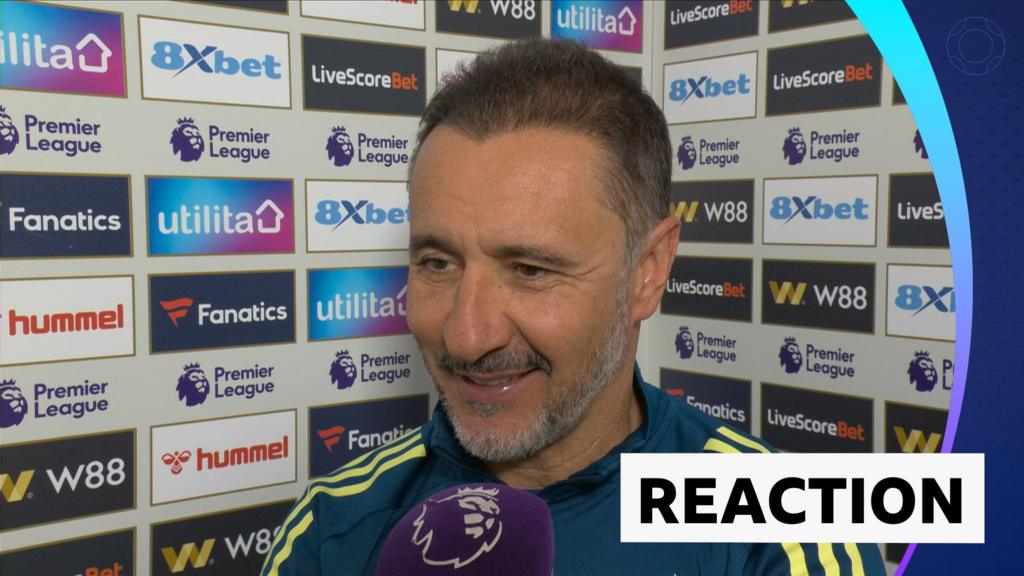
Nottingham Forest's 4-1 victory over Burnley was not merely a result of individual brilliance. It was a victory of tactical repositioning. At the interval, with the scoreline stagnant and the team struggling to break down a low block, manager Vítor Pereira executed a pivot that liberated Morgan Gibbs-White from his defensive constraints.
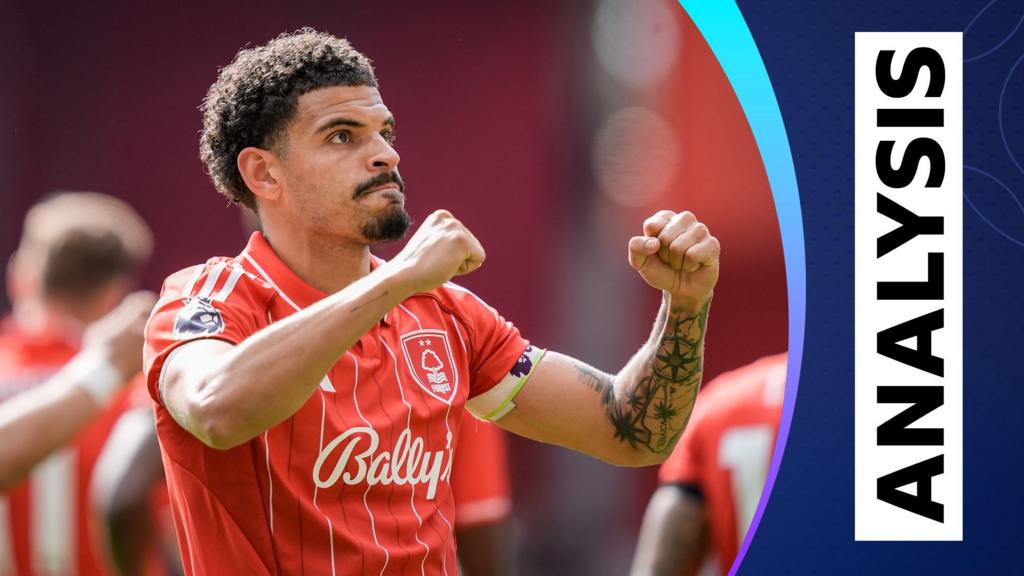
Before the break, Gibbs-White operated largely between the lines with negligible vertical movement. His pass completion rate in the final third hovered at a modest 62%. Post-shift, his involvement sky-rocketed. He transitioned into a free-roaming role that maximized his ability to exploit pockets of space behind Burnley’s holding midfielders.
Quantifying the influence of the number 10
The difference in output was stark. During the second half, Gibbs-White saw an increase of 38% in touches within the opposition penalty area. He became the primary transition outlet, recording three key passes that directly resulted in high-quality scoring chances.
As Match of the Day pundit Danny Murphy noted, the tactical shift allowed the England international to dictate the tempo. By moving him into a more central, advanced position, Pereira neutralized Burnley’s attempt to clog the middle.
Defining the vertical progression
Possession metrics confirm the effectiveness of this change. Forest recorded a total of 78% of their second-half successful forward passes through the central channel previously occupied by the isolated Gibbs-White. This indicates a deliberate exploitation of the vertical lanes rather than recycling play to the flanks.
However, the analysis reveals a lingering concern. While the comeback victory provides a much-needed morale boost, the side remains over-reliant on Gibbs-White’s creative spark. If opposing managers apply a man-marking constraint, the team lacks a redundant engine to facilitate progression.
The efficiency gap
Compare this to the team's average performance over the last five matches. Forest typically maintains a 2.4 expected goals (xG) output when Gibbs-White is given positional freedom. Against Burnley, they exceeded this significantly, clocking an xG of 3.1 by the 90th minute.
This performance suggests that fluidity in the final third is the primary indicator of success. Rigid tactical structures continue to hamper the team, with their lowest scoring games correlating strictly with matches where Gibbs-White was forced to track back beyond the 50th minute marker.
Looking ahead, the challenge for Pereira is consistency. Relying on an mid-game tactical reset is rarely a sustainable strategy for avoiding the drop. Scaling this second-half intensity into a full ninety minutes will be the true test of this squad's tactical ceiling.