The cost of a 95th-minute lapse
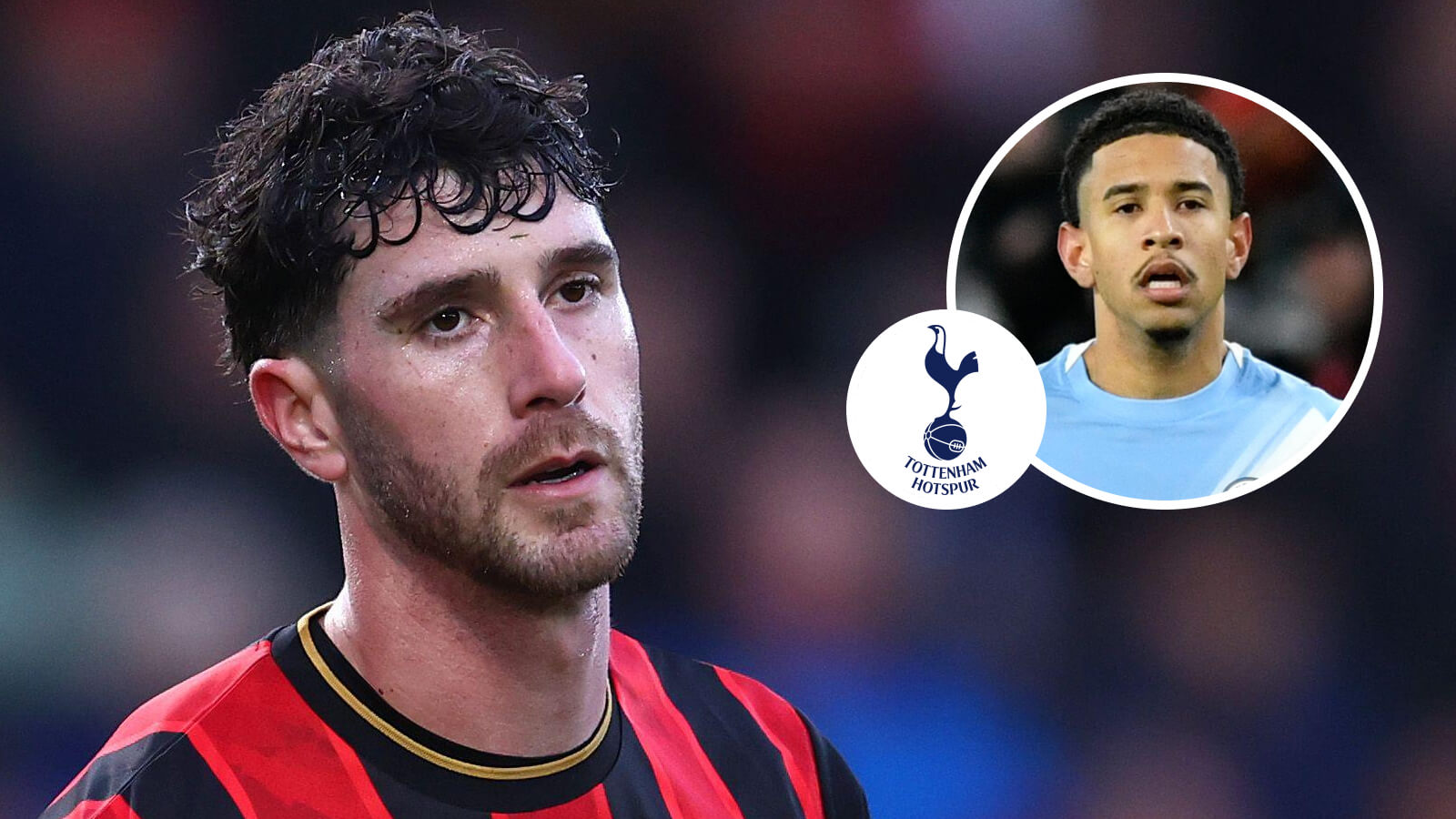
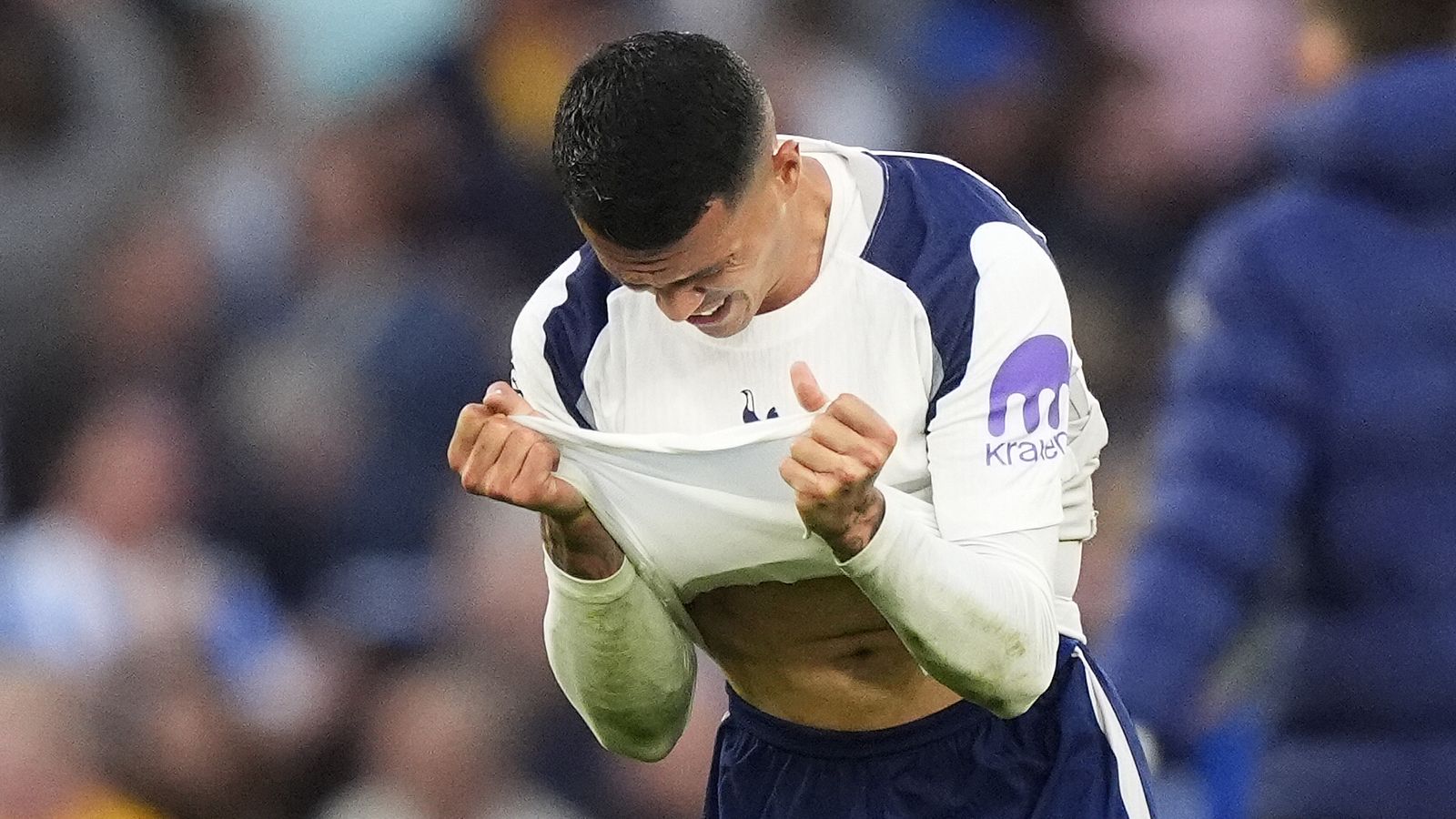
The clock at the Tottenham Hotspur Stadium read 94:12 when Georginio Rutter found the pocket of space between Micky van de Ven and Cristian Romero. It was the moment Spurs' season threatened to tilt from precarious to catastrophic. Having held a 1-0 lead and looked on the cusp of climbing out of the bottom three, the subsequent silence following Rutter's equalizer was the loudest thing in North London.
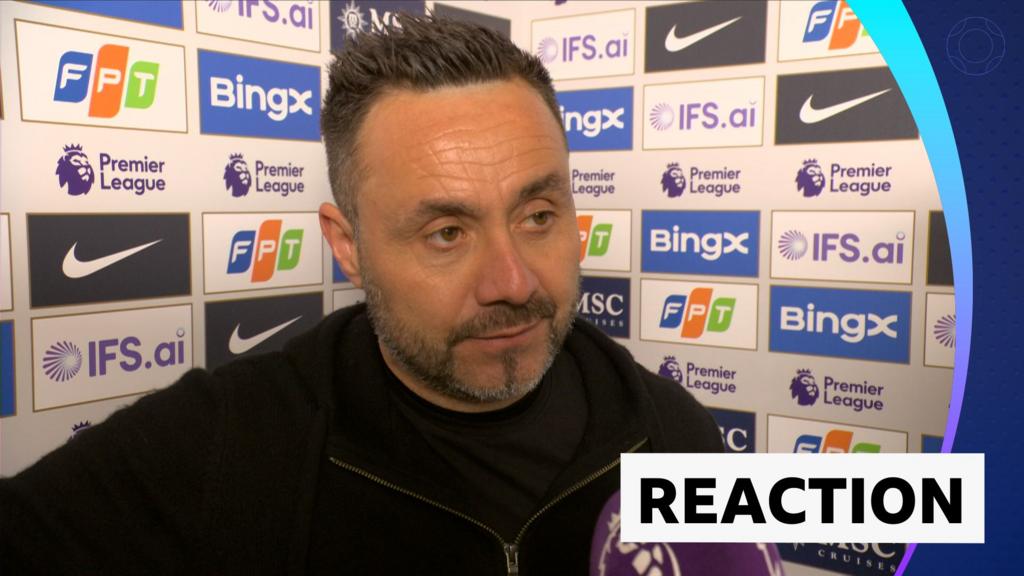
Roberto De Zerbi stood motionless on the touchline, watching his former club snatch away two points that felt like twenty. It was a cruel irony for a manager who built his reputation on the south coast, now finding his tactical ideals tested in the unforgiving furnace of a Premier League relegation scrap. The draw leaves Tottenham in a position where they could be 4 points adrift of safety by the end of the weekend if results elsewhere don't fall their way.
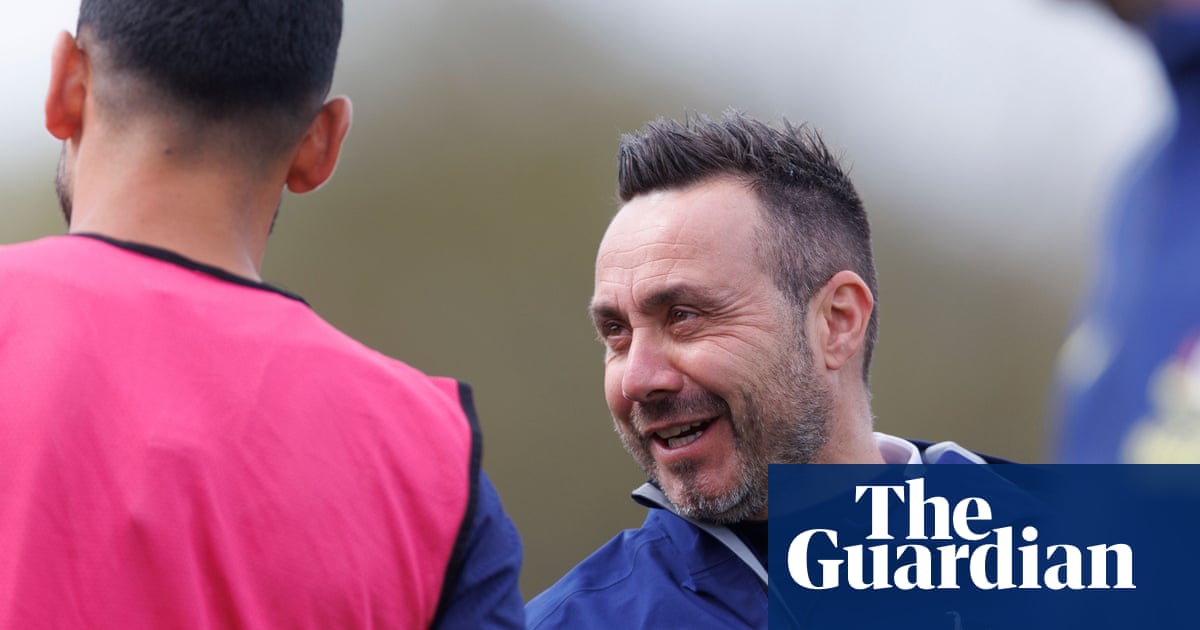
As The Guardian reported, the mood was one of a body blow, yet De Zerbi remains defiant. He has demanded his players arrive at the training ground with a smile, a request that sounds almost surreal given the league table. But for De Zerbi, the psychology of the game is inseparable from the geometry of the pitch.
The De Zerbi blueprint in a crisis
Watching Spurs under De Zerbi is an exercise in high-wire tension. He has moved away from the more transition-heavy approach of his predecessors, instead insisting on an extreme version of positional play. He wants his center-backs to stand on the ball, inviting the opposition press to the very edge of the penalty area before triggering a rapid vertical sequence through the lines.
This "invitation to press" is a high-risk strategy for a team lacking confidence. Against Brighton, there were visible signs of improvement in the first 70 minutes. The double pivot showed a better understanding of when to drop into the backline to create a 3+2 buildup structure, stretching the Brighton front three and opening passing lanes into the half-spaces.
Matt Barlow noted in The Daily Mail that there are genuine reasons for positivity despite the result. The tactical tweaks are starting to take hold, particularly in how the wingers are pinning the opposition full-backs wide to create room for the "number ten" to operate. However, the system's reliance on technical perfection means that a single heavy touch in the defensive third results in a high-turnover chance for the opponent.
The negative reality of game management
Realism demands we look at the final five minutes of the Brighton match. For all the tactical sophistication, Spurs displayed a staggering lack of basic game management. Leading 1-0 in stoppage time, the defensive line was still hovering near the halfway line, leaving forty yards of grass for Rutter to exploit.
De Zerbi’s refusal to compromise on his high line, even when defending a lead in the dying seconds, is his greatest strength and his most glaring weakness. It is a dogmatic approach that borders on arrogance. If Spurs go down, it will be because they tried to play like 2011 Barcelona while possessing the defensive composure of a Sunday League outfit under pressure.
The defensive transition remains the primary concern. When the initial press is bypassed, the center-backs are often left in isolated 1v1 situations. This was evident at 94 minutes when the midfield failed to track the runner, leaving the back four exposed to a simple through-ball that bypassed three layers of the formation.
No time for negative people
De Zerbi’s message to his squad was blunt: "It's not finished yet." According to Mirror Football, he has warned he has no time for negative people in his camp. This is a classic De Zerbi play—an attempt to insulate his squad from the mounting external pressure and the inevitable toxicity of a relegation-threatened fanbase.
He is effectively purging the squad of doubt. In his view, the moment a player questions the system, the system fails. The "vital star" Barlow refers to is likely James Maddison, whose ability to receive the ball under pressure and turn is the engine of this entire tactical experiment. If Maddison can maintain his fitness over the final five games, Spurs have a chance to play their way out of trouble.
But the pressure is building. The players are responding to the rallying cry for now, but another late collapse could shatter the fragile morale De Zerbi is trying to build. The training ground "smile" policy will be difficult to enforce if they find themselves five points behind with three games to play. This is a battle for the soul of the club as much as its league status.
The win-five mandate
De Zerbi’s claim that Spurs can win their final five games is either a masterstroke of psychological motivation or a sign of total detachment from reality. To win five in a row would require a level of consistency this squad has not shown in three years. Yet, the fixture list does offer a sliver of hope if the tactical blueprint finally clicks into place.
The manager is banking on the fact that most teams in the mid-table have already checked out for the summer. He believes his superior tactical structure can overwhelm opponents who are mentally on the beach. It is a bold gamble. He is betting that 450 minutes of perfect football can erase eight months of dysfunction.
Statistically, the underlying numbers suggest an uptick. Their xG against has dropped since De Zerbi took over, and their pass completion in the final third has increased by 12 percent. These are the metrics the Italian points to when he tells the board the process is working. But xG doesn't keep you in the Premier League; points do.
A confident prediction for the run-in
Spurs are currently a team that plays the first 85 minutes like a top-six side and the final 5 minutes like a relegated one. The Brighton game was a microcosm of their entire season under De Zerbi. They have the talent and the tactical coaching to survive, but they lack the street-smarts required for a dogfight.
I expect the "no negative people" policy to lead to some high-profile benchings in the coming weeks. De Zerbi will prioritize loyalty to his system over individual names. If he finds eleven players who will follow his instructions without hesitation, they will find the points they need. It won't be pretty, and there will be more heart-stopping moments, but the tactical foundation is finally solid enough to support a late surge.
My call: Spurs will secure survival on the final day of the season. They won't win all five games—that is De Zerbian hyperbole—but they will pick up 10 points from the remaining 15. That should be just enough to keep them above the trapdoor, leaving the fans to debate whether this tactical revolution is worth the price of their collective blood pressure.