The weight of national expectation
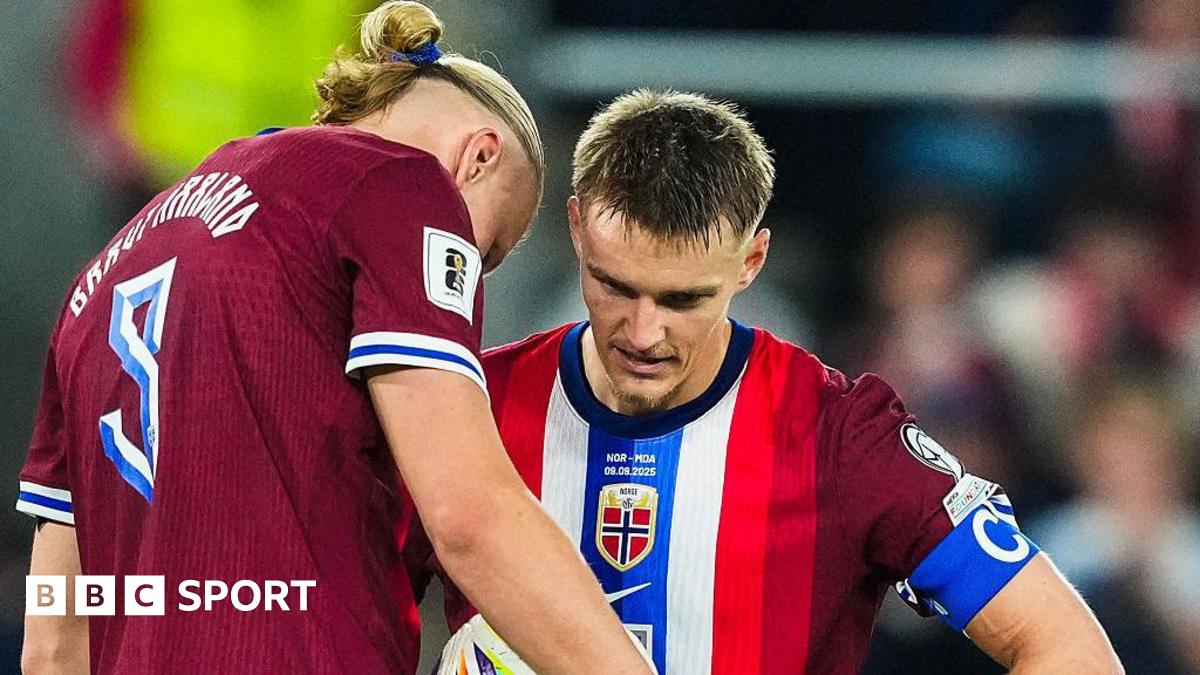
Erling Haaland arrives at the 2026 World Cup carrying more pressure than perhaps any individual striker in the history of the tournament. Norway faces Iraq this Tuesday in a group-stage opener that should technically be a formality. Expectations are sky-high after Haaland’s record-shattering seasons with Manchester City, but the national team has frequently failed to provide him with the same caliber of delivery.
Defining the tactical mismatch
Norway represents a lopsided squad composition. They possess a global superstar at the number nine position, yet the engine room often struggles to transition the ball effectively against defensive-minded blocks. If the middle third cannot manage the tempo, Haaland becomes an expensive decoy rather than a goal-scoring machine. This game will reveal whether their manager has evolved beyond the reliance on long, hopeful diagonals.
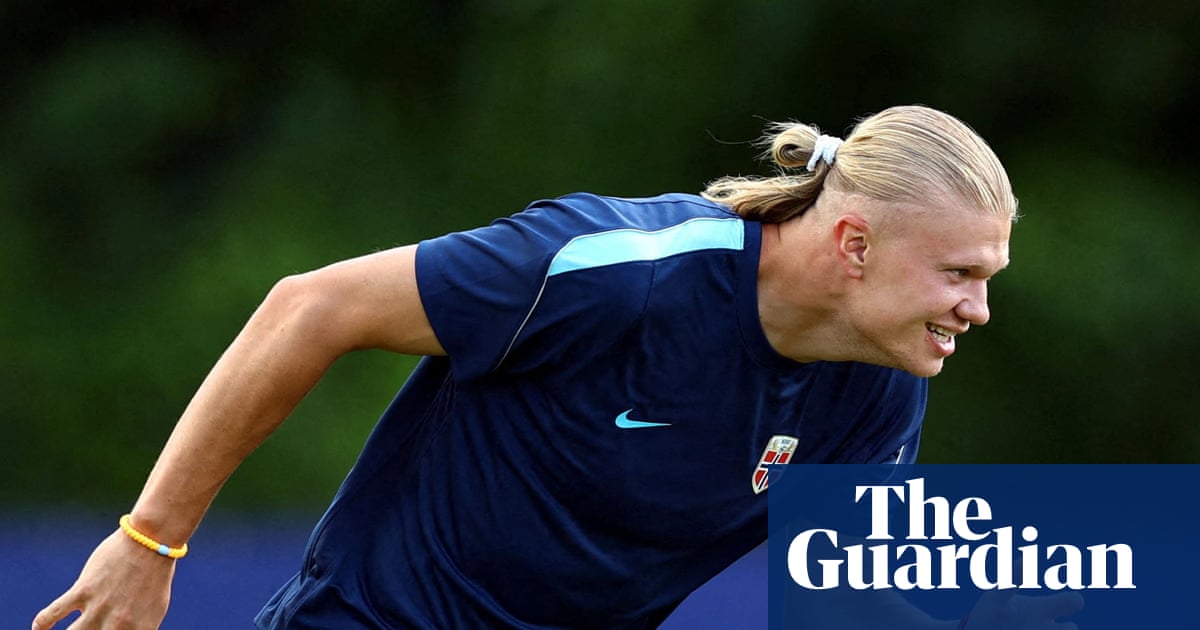
Erling Haaland will aim to lead Norway to a winning start at the World Cup 2026 as they take on Iraq on Tuesday.
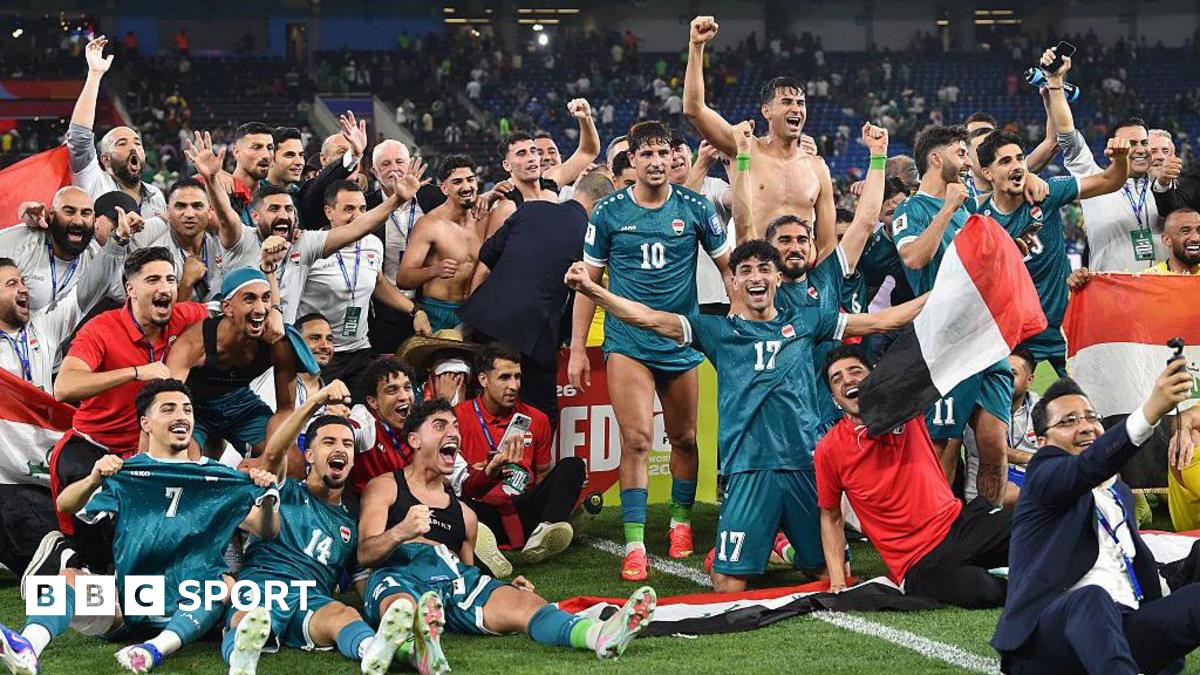
The Iraqi squad, while technically inferior on paper, is unlikely to grant Haaland space to stretch his legs. They will likely adopt a low block, forcing Norway to play through a congested center. Iraq has everything to gain by frustrating the opposition early. If Norway fails to break the seal before the 30th minute, the nerves within the Scandinavian camp will become visibly detrimental to their rhythm.
The reality of the 2026 format
As the Mirror reported, this fixture is being billed as a chance for Norway to assert dominance early. However, these matches rarely go according to the pre-tournament script. The inclusion of more nations at the 2026 tournament means the gap between the perceived elite and emerging programs is tighter than international pundits care to admit.
Where the game gets ugly
Norway’s primary weakness remains their susceptibility to counters. If they commit too many men forward in an attempt to feed their star striker, they leave their center-backs on an island. It is a gamble that has cost them in qualifying rounds previously. Against a motivated Iraq side, one mistake on the transition could derail their momentum before the first matchday is even completed.
Strategic implications for the group
A narrow victory or a draw here creates a genuine crisis for Norway. Dropping points against the lowest-ranked team in the group forces an aggressive approach against tougher opposition later in the bracket. This is not just a game about securing three points; it is about establishing a functional identity. If they look disjointed against Iraq, the tactical questions will resurface with intensity.
The delivery problem
Haaland’s service at club level involves some of the best creative midfielders in the world. With Norway, he has to work with what is available, which is significantly less surgical. Spectators should watch for the positioning of the Norwegian full-backs. If they don't push up to provide width, the team becomes predictable and easy to manage defensively.
No room for heroics
There is a dangerous tendency for teams with single superstars to rely on individual moments of brilliance rather than collective systems. Norway cannot afford to wait for a 30-yard wonder strike from their captain. They need a functional progression of the ball, or they risk joining the list of opening-day failures that haunt major international tournaments.
Final assessment
The match serves as a litmus test for Norway's legitimacy as a contender rather than just an interesting novelty entry. A win proves they can handle the burden of favorite status. Anything less suggests that the coaching staff has failed to adapt to the realities of tournament football. Haaland is ready, but as any seasoned observer of international play knows, the best player in the world is only as good as the service he receives inside the final third.
Read Next
- Erling Haaland on the biggest stage is going to be pure chaos
- Iran's World Cup run is heading for an ugly exit
- France vs Senegal: Tournament openers aren't always a walk in the park
- Hervé Renard takes Tunisia reigns as World Cup chaos grips the group stage
- 🏆 World Cup 2026 — Full Coverage Hub
- 🇳🇴 Norway World Cup 2026 — Can Haaland Lead the Vikings?