A brutal double blow for the Hearts backline
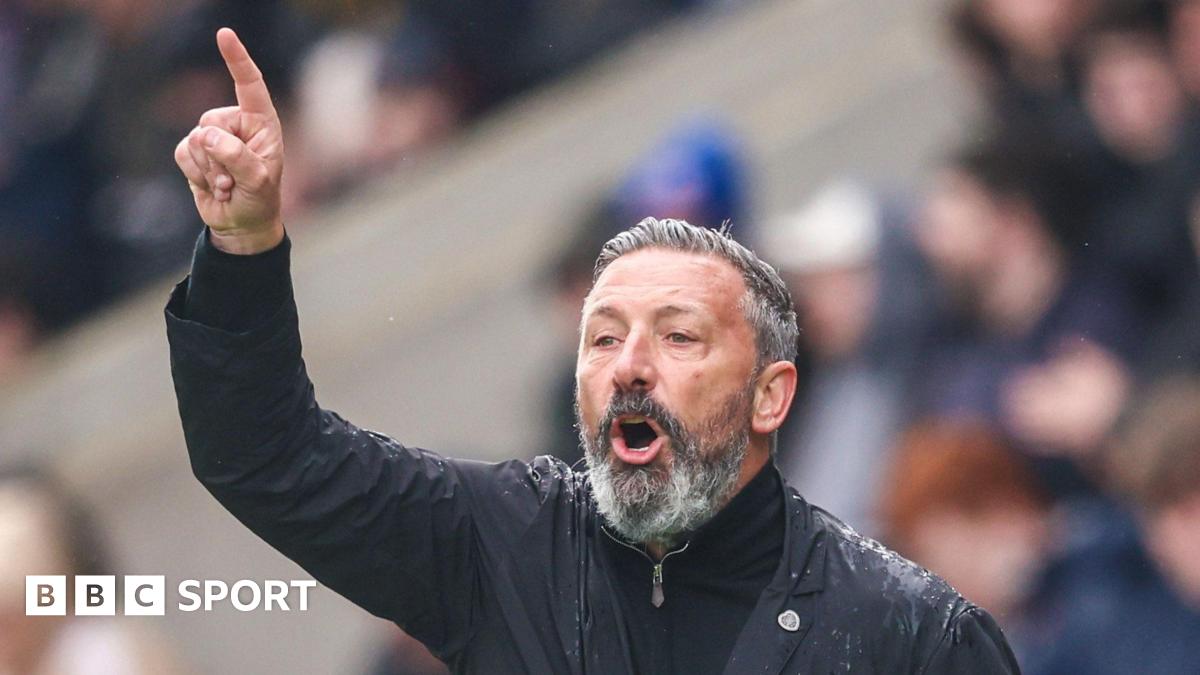
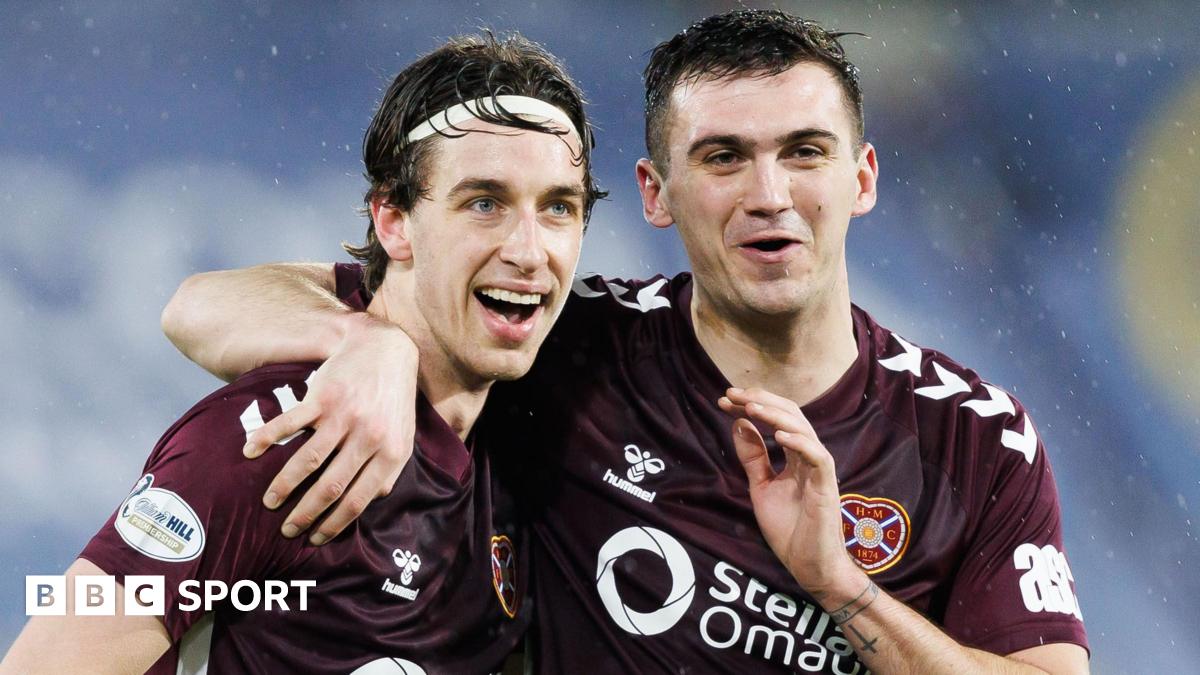
The timing couldn't be worse for Derek McInnes. With the Scottish Premiership season entering its final, most volatile phase, Hearts have been handed a devastating medical update that effectively strips the squad of its most reliable defensive anchors. Oisin McEntee and Tomas Magnusson are officially done for the year, leaving a gaping hole in a defensive unit that was already starting to show signs of fatigue after a grueling spring schedule.
McInnes didn't mince words when addressing the media this morning. The manager confirmed that both players have suffered setbacks significant enough to require immediate rehabilitation programs that extend well beyond the final whistle of the campaign. For a team currently locked in a desperate battle for European qualification, losing two-thirds of a settled defensive rotation is the kind of misfortune that can turn a promising season into a cautionary tale of depth management. Hearts must now navigate the post-split fixtures with a makeshift solution in front of their own goal.
Hearts must deal with losing Oisin McEntee and Tomas Magnusson for the rest of the season. We have to find a way to adapt and maintain our standards despite these massive absences.
The specifics of the injuries remain closely guarded by the medical staff at Riccarton, but the implications are clear. McEntee had been the versatile bridge between the midfield and the back three, a player whose recovery speed allowed the team to push their defensive line higher. Magnusson, meanwhile, had established himself as the primary aerial deterrent in the penalty area. Removing both simultaneously is not just an injury crisis; it is a fundamental shift in how this team has to defend for the next six weeks of competition.
The McEntee vacuum and the tactical fallout
Losing Oisin McEntee is perhaps the more complex problem for McInnes to solve. The Irishman has been the Swiss Army knife of this squad, often filling in as a right-sided center-back or stepping into a holding midfield role when the game state demanded more physicality. His ability to cover ground in transition was the safety net for a Hearts side that likes to commit its wing-backs forward. Without his pace to sweep up behind the high line, McInnes may be forced to revert to a more conservative, low-block strategy that limits their offensive output.
Statistical data from the last ten matches highlights just how vital McEntee has become to the Hearts build-up play. He led the team in progressive carries from deep positions, often bypassing the first line of the opposition press with ease. His absence means the burden of distribution now falls on older, less mobile defenders who prefer to go long rather than build through the thirds. It is a regression that will likely embolden opponents to press Hearts much higher up the pitch, knowing the escape valve of McEntee’s carries is no longer available.
The defensive metrics are equally concerning. McEntee was winning 68 percent of his ground duels over the last month. Replacing that kind of win rate with backup options or youth prospects is a gamble that McInnes would have preferred to avoid. The ripple effect will be felt in the midfield, where players will now have to drop deeper to provide cover, further isolating the strikers and stifling the team's ability to create sustained pressure in the final third.
Magnusson’s absence leaves the skies unprotected
While McEntee provided the mobility, Tomas Magnusson provided the height. The Icelandic defender had become the cornerstone of Hearts' set-piece defense, a role that is increasingly critical in the physical environment of the Scottish Premiership. At just 21 years old, Magnusson was having a breakout season, showing a level of composure in the air that belied his age. His partnership with the rest of the backline had become one of the few constants in a season defined by rotating lineups.
Without Magnusson, Hearts look significantly more vulnerable to the cross-heavy attacks favored by many of their upcoming opponents. His ability to read the flight of the ball and win first contacts in the box was a primary reason the team had one of the best records against set-pieces in the league. Now, that aerial dominance is gone. The medical report suggesting he won't return until the summer is a bitter pill for a player who was finally finding his rhythm and potentially attracting interest from scouts further afield.
Searching for a historical precedent at Tynecastle
This isn't the first time Hearts have seen their season derailed by a concentrated cluster of injuries in one position. Long-term fans will remember the 2018-19 campaign when a similar plague struck the defensive ranks, eventually leading to a slide down the table that the club struggled to arrest. The concern now is that history is repeating itself. In those previous instances, the lack of a 'Plan B' led to a series of disjointed performances where the team's identity seemed to evaporate overnight.
The difference this time is the presence of McInnes, a manager who has built a career on defensive solidity and pragmatic adjustments. However, even the most tactically astute coach needs the personnel to execute the vision. If Hearts cannot find a way to replace the five clean sheets Magnusson and McEntee helped secure over the last two months, the gap to the European spots will disappear faster than most supporters are comfortable with. The margin for error has officially been reduced to zero.
Strategic implications for the European race
The broader impact of these injuries extends to the club's financial planning for the next fiscal year. European football brings a level of revenue that is transformative for a club of Hearts' stature. By losing two key assets now, the probability of securing that revenue has taken a measurable hit. Competitors like Aberdeen and Kilmarnock will be smelling blood, recognizing that a weakened Hearts defense is an opportunity to leapfrog them in the final standings. It is a cruel reality of the sport where one bad afternoon on the training pitch can cost a club millions in potential earnings.
There is also the question of the summer transfer window. If McEntee and Magnusson face long-term recovery paths that bleed into next season, the recruitment team will have to shift their priorities. Money that might have been earmarked for a new playmaker or a pacy winger may now have to be diverted toward emergency defensive cover. It is a reactive move that no sporting director wants to make, especially when the goal is to build a squad capable of competing on multiple fronts. The injury report has effectively rewritten the club's short-term strategy.
A critical look at the medical department
One cannot ignore the mounting frustration regarding the frequency of soft-tissue injuries within the squad this season. While every club deals with knocks, the fact that two vital players are being shut down simultaneously suggests a potential flaw in the load management protocols at the club. McInnes has pushed his players hard this year, demanding a high-intensity style that requires peak physical condition. It is fair to ask if the squad was pushed beyond its breaking point in the pursuit of results during the winter months.
Real journalism requires pointing out that this double injury isn't just bad luck; it is a failure of the system designed to keep players on the pitch. Whether it is the training surface, the recovery routines, or the intensity of the sessions, something has clearly gone wrong. The club must conduct a thorough internal review once the dust settles on this campaign. Continuing with the same approach next year could lead to another mid-spring collapse, and the fans won't be as forgiving a second time around.
Hearts now face a defining stretch. The next three matches will tell us everything we need to know about the mental fortitude of this group. Can they adapt to a new defensive reality, or will they become the latest team to buckle under the weight of a medical crisis? McInnes has his work cut out for him, and for the first time this season, the momentum is firmly against him. The lights of the European stage are flickering, and the path to the finish line just got a lot steeper.
Read Next
- Hearts just lost their defensive spine and Tynecastle is panicking
- Hearts are actually in a title race and their fans are completely terrified
- Opta thinks Rangers will win the Scottish title but Hearts aren't moving
- James Tavernier leaving Rangers is the ultimate tactical reset for Ibrox
- ⚽ Scottish Premiership 2025-26 — Celtic vs Rangers Hub