The atmosphere at Hotspur Way is turning toxic
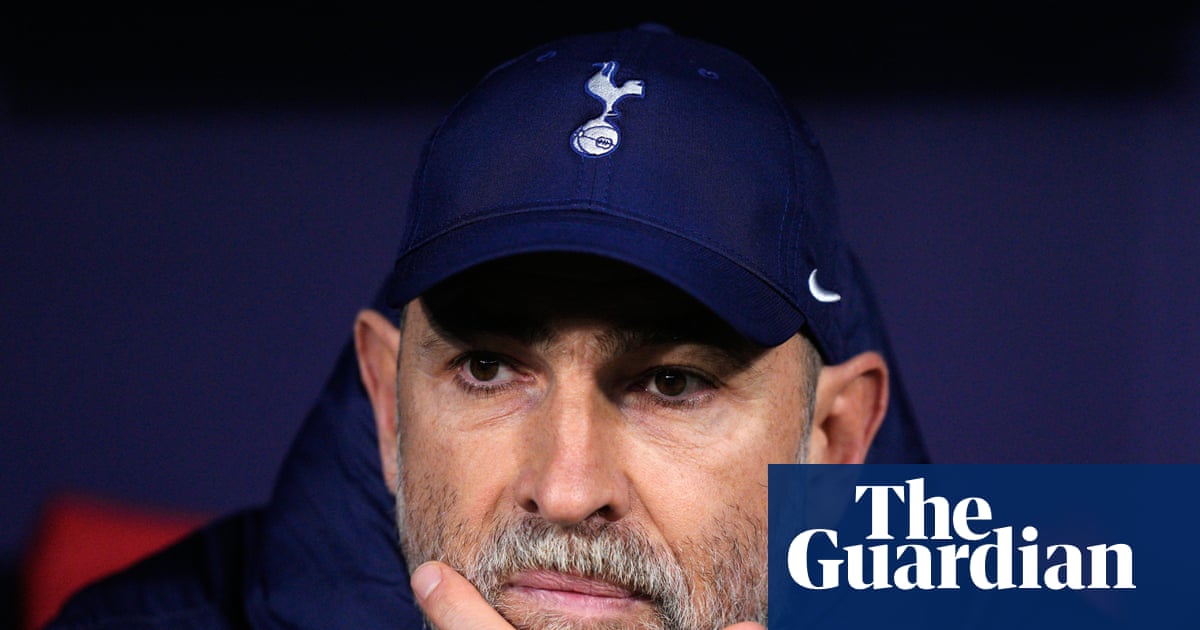
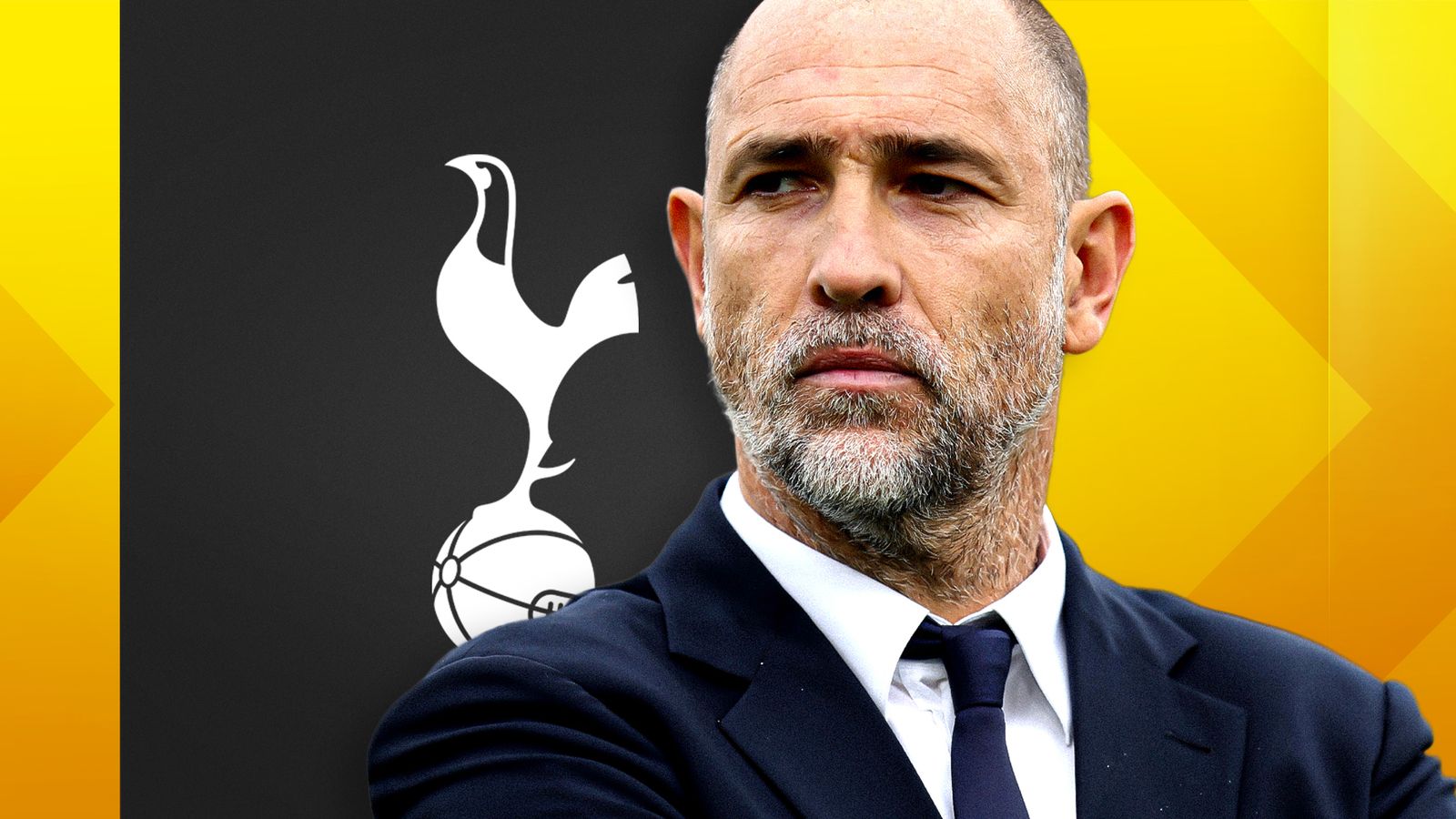
If you were to walk into the Tottenham Hotspur Stadium this weekend, you wouldn't be met with the optimistic hum of a club pushing for European football. Instead, you would find a fanbase teetering on the edge of a collective meltdown. The air is thick with resentment, and at the center of this storm is Igor Tudor. The interim manager, once seen as a steady hand to guide the ship, is now fighting for his professional life as the club reportedly weighs up a shortlist of eight potential successors.
The FA charge hanging over Tudor’s head following his explosive 'cheating' rant after the Fulham loss is merely the latest symptom of a wider malaise. When the manager starts pointing fingers at officials to deflect from tactical shortcomings, it usually signals that the end is nigh. For Spurs, the 'D-Day' that reports are whispering about feels less like a looming deadline and more like a necessary mercy killing.
Form guide: A team in freefall
Tottenham’s recent form is the stuff of nightmares. The 2-1 defeat to Fulham on March 1 wasn't just a loss; it was a character assassination of the team’s identity. Since then, the performances have lacked the cohesive structure required to compete at the top level. While there was a fleeting moment of relief with a goal against Nottingham Forest, the sentiment from the stands was clear: this is a joyless, hollow project.
- Tottenham: L-L-D-L-W
- Opposition: W-L-W-D-L
The numbers don't lie. Tudor’s side is struggling to find the back of the net with any consistency, and defensively, they look like a house of cards waiting for a gust of wind. The frustration in the stands at Anfield—where fans were reportedly vocal about the lack of direction—is a damning indictment of the current regime.
Tactical preview: What is the plan?
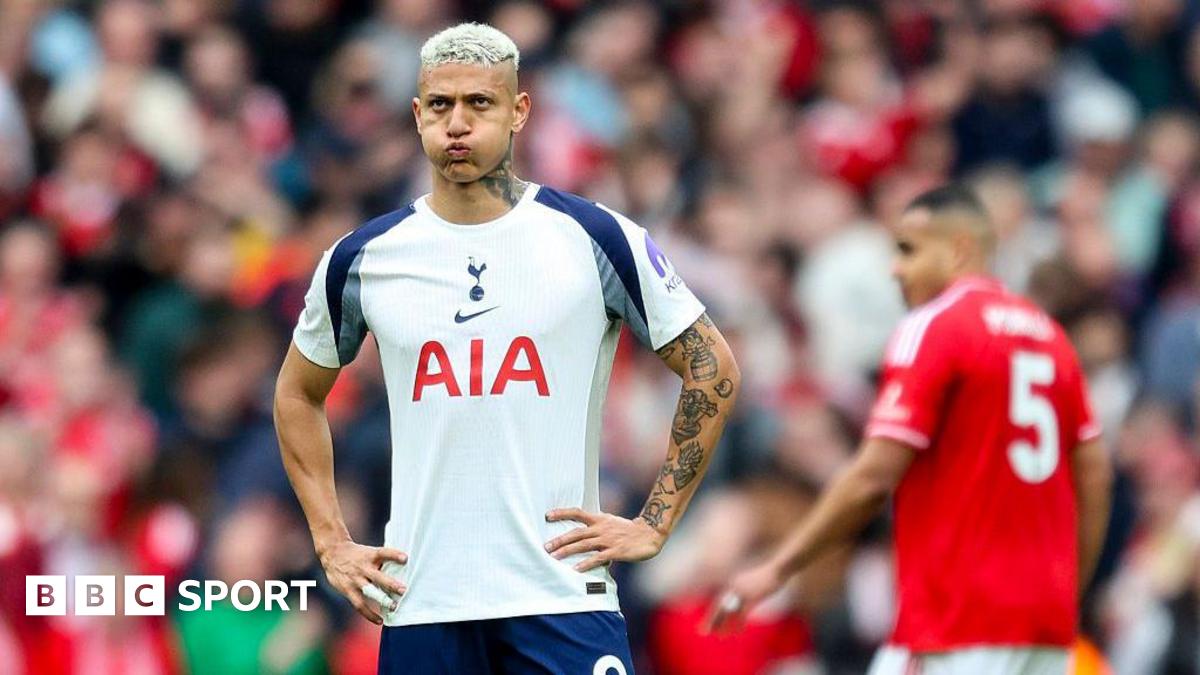
If there is a tactical philosophy under Tudor, it remains well-hidden. The team has oscillated between a cautious, low-block approach that stifles their creative talents and a disjointed press that leaves the backline exposed. Against a well-drilled opponent, this lack of clarity is fatal. The reliance on individual moments of brilliance from players like Richarlison is not a sustainable strategy, and it’s clear that the squad is beginning to lose faith in the instructions being barked from the touchline.
We can expect Tottenham to try and dominate possession early on, but the question remains: what happens when they hit the final third? Without a clear pattern of play, they are likely to resort to hopeful crosses and speculative long-range efforts, playing exactly into the hands of a disciplined defensive unit.
Key battles to watch
The Midfield Engine Room: The battle in the middle of the park will decide the tempo. If Spurs cannot win the second balls, they will be pinned back for the vast majority of the 90 minutes. Tudor needs his central midfielders to provide more than just defensive cover; they need to be the bridge that connects the defense to a largely isolated forward line.
The Full-back Duel: With Tottenham’s tendency to leave space behind their attacking full-backs, the opposition’s wingers will be licking their lips. This is where the match will be won or lost. If Spurs’ defensive transition isn't lightning-fast, they will find themselves outnumbered on the counter-attack repeatedly.
The verdict: A house divided
It is difficult to see a path forward for Igor Tudor. When the players look like they are playing for themselves rather than the badge, and the fans are openly questioning the manager’s integrity and capability, the writing is usually on the wall. The upcoming match is not just about three points; it is about whether the squad still has the stomach to fight for a man who is clearly on his way out.
The pressure is immense, the tactics are suspect, and the locker room morale is reportedly at an all-time low. Unless there is a miraculous shift in mentality, this feels like another long, painful afternoon for the North London faithful.
Prediction: Tottenham 1-2 Opposition. The malaise continues, and the pressure on the board to pull the trigger on a managerial change becomes impossible to ignore.
Read Next
- Chelsea are spiraling and Liam Rosenior is fighting a losing battle
- James Maddison nears long-awaited return for Tottenham
- Trent Alexander-Arnold's England future is hanging by a thread
- Thomas Tuchel's England cull is a gamble that could backfire spectacularly
- 🏆 Europa League Final 2026 — Full Coverage Hub