A Breach of Trust at Hotspur Way
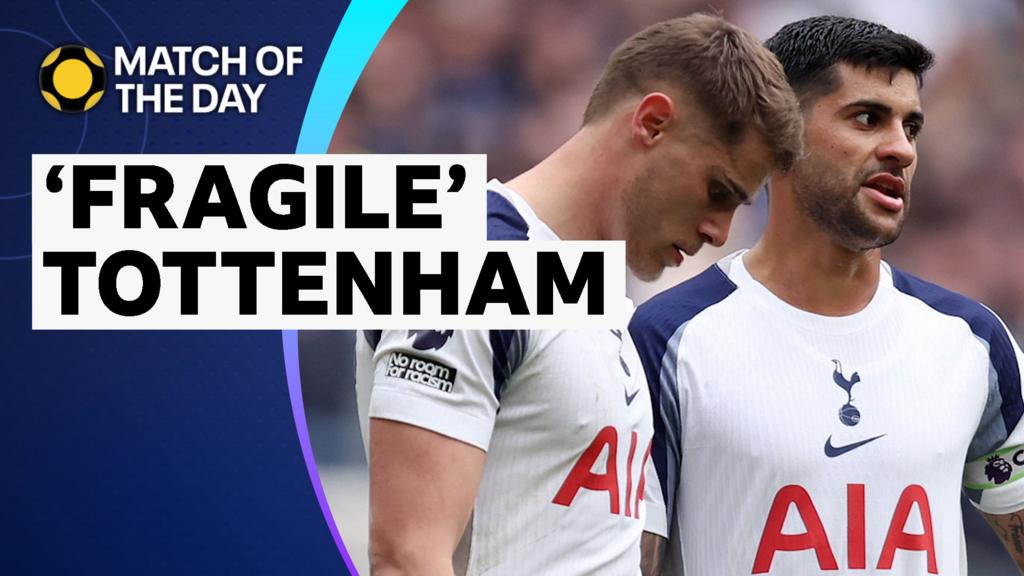
The medical room is supposed to be a sanctuary. For Tottenham Hotspur, it has become just another source of embarrassment. A Spurs backroom staff member recently blew the whistle on a key squad member's persistent injury struggles, as reported by FourFourTwo.
The club has managed to keep the player's name officially under wraps. The damage, however, is already done. This leak is a catastrophic failure of medical confidentiality.
Players need to trust their physios, sports scientists, and club doctors. When details of a chronic physical failure slip out into the press, that trust completely evaporates. It suggests a department that is disorganized, overly stressed, or simply careless.
The timing is brutal. Spurs are staring down a miserable final stretch of the season with a squad that looks entirely broken. You cannot fix a team on the pitch when the people responsible for keeping them healthy are accidentally airing dirty laundry to the media.
The Anatomy of Persistent Injuries
We do not know the exact identity of the player. We do not have the specific medical diagnosis. But the phrase "persistent injuries" carries a heavy, unmistakable weight in sports medicine.
We are almost certainly looking at a chronic soft tissue problem. Hamstring strains, Achilles tendinopathy, or recurring groin issues fit this profile perfectly. These are not impact injuries.
You do not get a persistent problem from a bad tackle. These issues arise from a failure in load management. When a player suffers a grade two muscle tear, the damaged tissue heals by forming a scar. That scar tissue is significantly less flexible than normal muscle fiber.
If a player is rushed back to the pitch before undergoing a proper strengthening protocol, that tissue simply tears again under the explosive demands of Premier League football. Tottenham's medical staff has clearly failed to manage this cycle.
Whether they were pressured by the coaching staff to clear the player early, or they misjudged the recovery timeline, the result is identical. The player is caught in a miserable loop of brief returns and prolonged absences. This destroys a player's physical baseline and completely wrecks their confidence.
A History of Medical Mismanagement
This is not the first time a Premier League club has dealt with internal medical leaks, but it is rare for it to happen during such a volatile managerial transition. Usually, leaks regarding player fitness are strategic. A manager might try to lower expectations before a big match, or an agent might try to excuse poor form.
This situation at Tottenham feels entirely different. It feels like a genuine slip from a disorganized staff. When Arsenal struggled with their own injury crises during the late Arsene Wenger years, the medical department was constantly under fire. Players spent years on the treatment table, but the internal medical data was rarely aired out in public by the staff themselves.
The fact that a Spurs employee is openly discussing a player's season-long struggles points to a profound lack of internal discipline. It also changes how future signings will view the club. Elite players talk to each other.
If the perception within the game is that Tottenham's medical department cannot protect your body or your privacy, top targets will think twice before signing. Roberto De Zerbi has already said no. It is easy to see why players might follow suit.
The Physical Toll of the Modern Calendar
The Spurs medical team is undoubtedly operating under extreme duress. The modern football calendar is unforgiving. With the expansion of European competitions and the looming 48-team FIFA World Cup later this summer, the physical demands on elite athletes are absurd.
Players are routinely asked to perform at maximum intensity three times a week. When a squad lacks depth, the core players carry a dangerous amount of minutes. Fatigue accumulates in the muscles, drastically reducing their ability to absorb shock and generate force.
This is precisely when persistent injuries take root. A minor niggle is ignored because the manager desperately needs a result. The player gets an injection, straps up the joint, and plays through the pain. Eventually, the body simply says no.
The micro-tears become actual tears. The inflammation turns into chronic tendinopathy. The medical staff are supposed to be the last line of defense against this outcome. When that system fails, you end up with a squad member sidelined for the entire season.
Managerial Chaos and Tactical Fallout
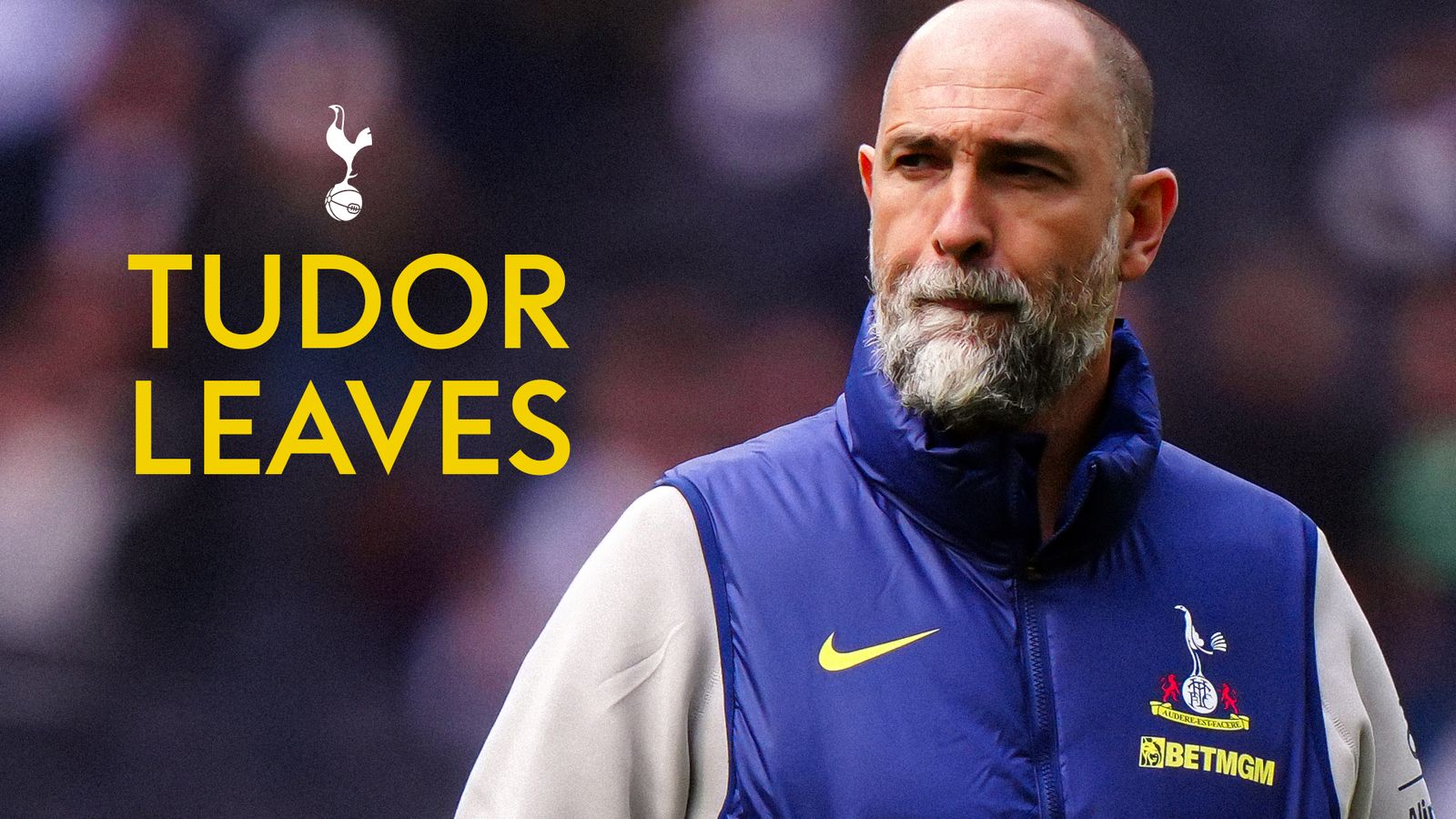
The dysfunction behind the scenes perfectly mirrors the absolute mess in the dugout. Igor Tudor's tenure at Tottenham has been a disaster. His aggressively demanding tactical setup requires athletes functioning at peak physical condition.
Instead, he has been handed a squad that is breaking down. Tudor is reportedly on his way out. According to TeamTalk, the club is actively looking to replace him. They initially targeted De Zerbi, but the Italian swiftly rejected the approach.
De Zerbi demands total control over team affairs. Looking at the leaking sieve that is the Tottenham backroom, you cannot blame him for walking away. The absence of this consistently injured mystery player has crippled Spurs tactically.
When a manager cannot rely on his best players, the entire system falls apart. Without their first-choice options available, Tudor has desperately tried to maintain his high-pressing system. You cannot press effectively if the forward line and the midfield are not physically capable of sustaining the effort for ninety minutes.
The pressing triggers become disorganized. Opposing teams easily bypass the first line of defense, exposing a vulnerable backline. This has been the story of Tottenham's season. They look sharp for twenty minutes, and then the physical reality sets in.
Dyche Circling the Wreckage
With De Zerbi out of the picture, Tottenham have turned their attention to a radically different profile of manager. Sean Dyche is now heavily linked with the impending vacancy. Speaking to Sky Sports regarding the rumors, Dyche was characteristically blunt.
"Very tricky situation."
That is an enormous understatement. If Dyche takes over, he will inherit a squad with deeply ingrained fitness issues and a medical department dealing with a massive breach of trust.
Dyche's methodology relies heavily on baseline fitness. His teams are built on relentless running, defensive discipline, and suffering without the ball. You cannot play Sean Dyche football with a squad full of persistent muscle injuries.
His famous pre-season routines are designed to test the absolute physical limits of his players. If he walks into Hotspur Way next week, his first job will not be tactical. It will be a complete audit of the medical and sports science departments.
The Immediate Timeline
Tottenham are running out of time to salvage this campaign. We are rapidly approaching the final weeks of the season. The mystery player at the center of this leak is highly unlikely to play a meaningful role in the remaining fixtures.
Once an injury becomes this persistent, shutting the player down until the summer is often the only medically sound decision. The short-term impact is severe. Spurs have to navigate the next three weeks knowing their medical operations are under intense public scrutiny.
Every time a player goes down clutching a hamstring, the cameras will immediately cut to the bench. The pressure on the physios to deliver accurate, conservative recovery timelines has never been higher.
The summer rebuild has to start in the treatment room. Before they buy a new striker or fix their leaky defense, Tottenham need to figure out why their players keep breaking down. More importantly, they need to figure out why their staff keep talking about it.