The unthinkable becomes reality
Tottenham Hotspur are in a relegation dogfight. Say it out loud. Let it sink in.
Roll the words around in your mouth because they still taste utterly surreal. This is not a bad run of form. This is not a temporary blip that will be corrected by a few lucky bounces. This is a full-blown, sirens-blaring crisis.
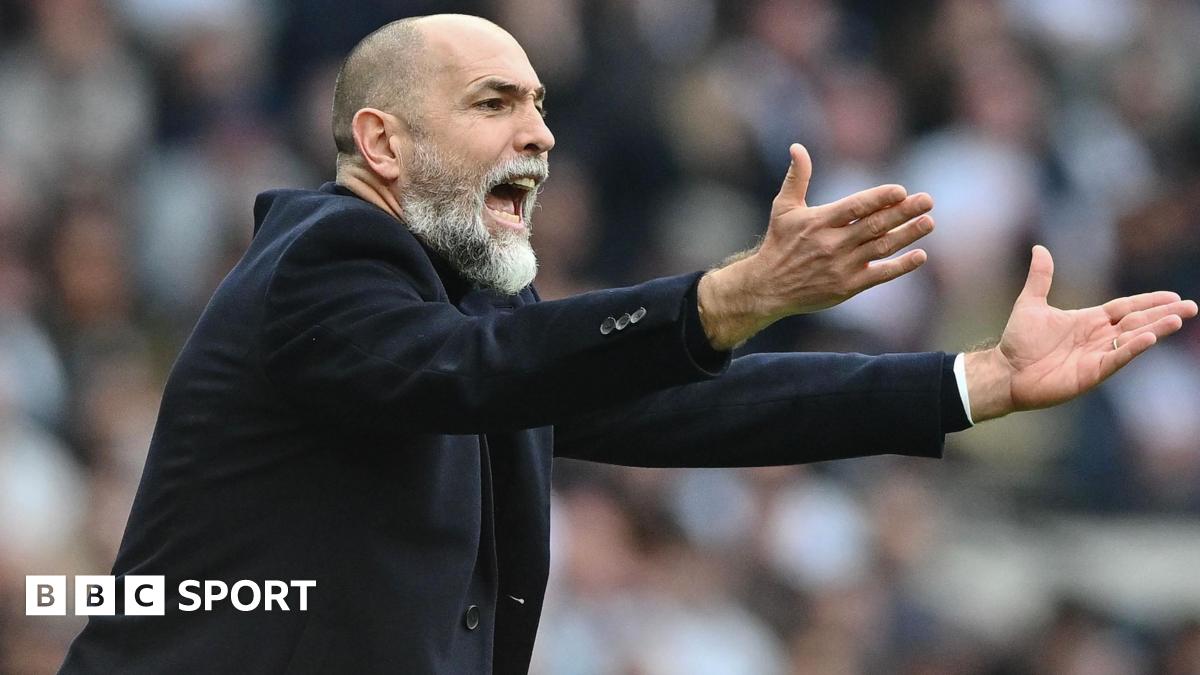
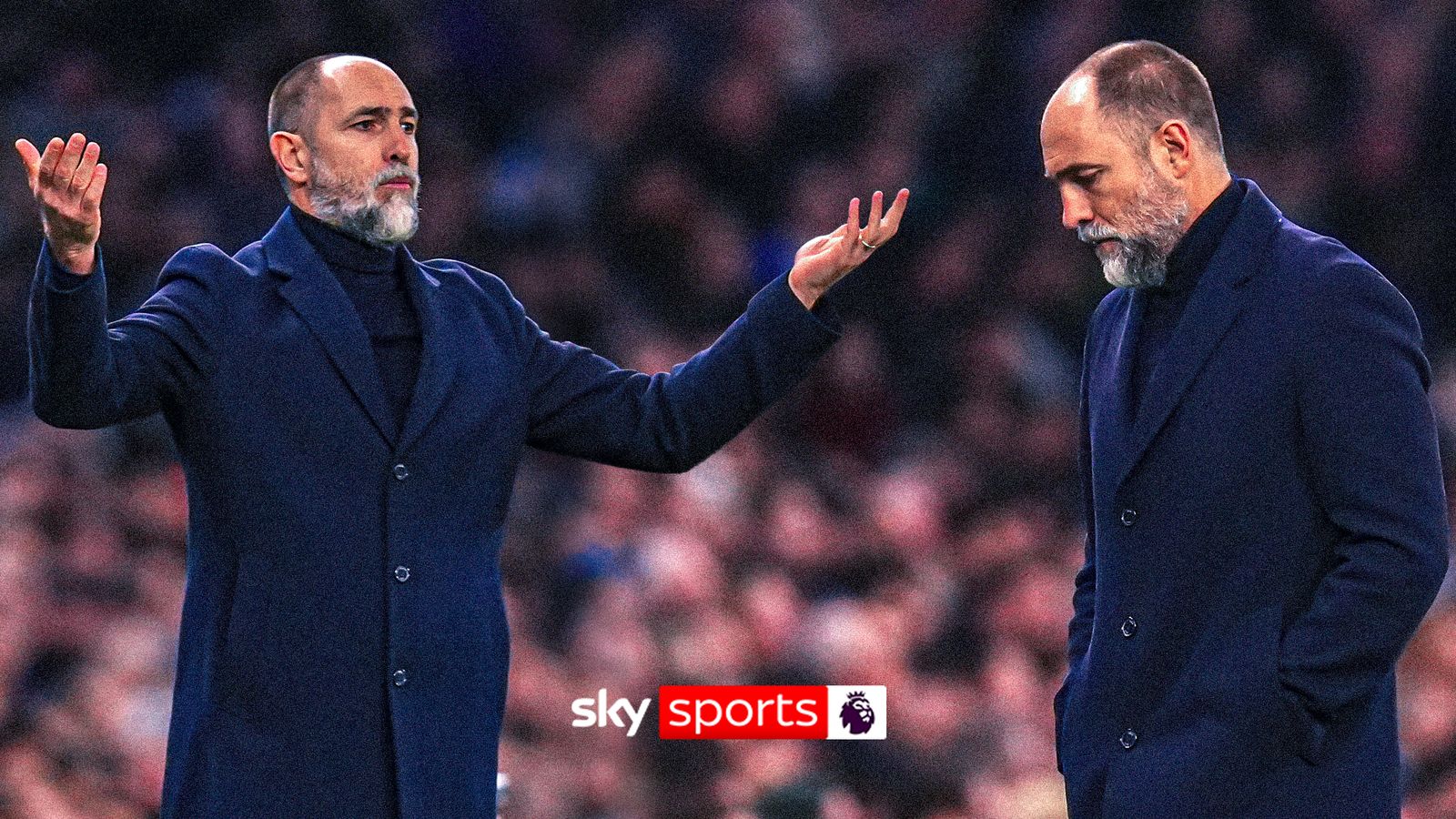
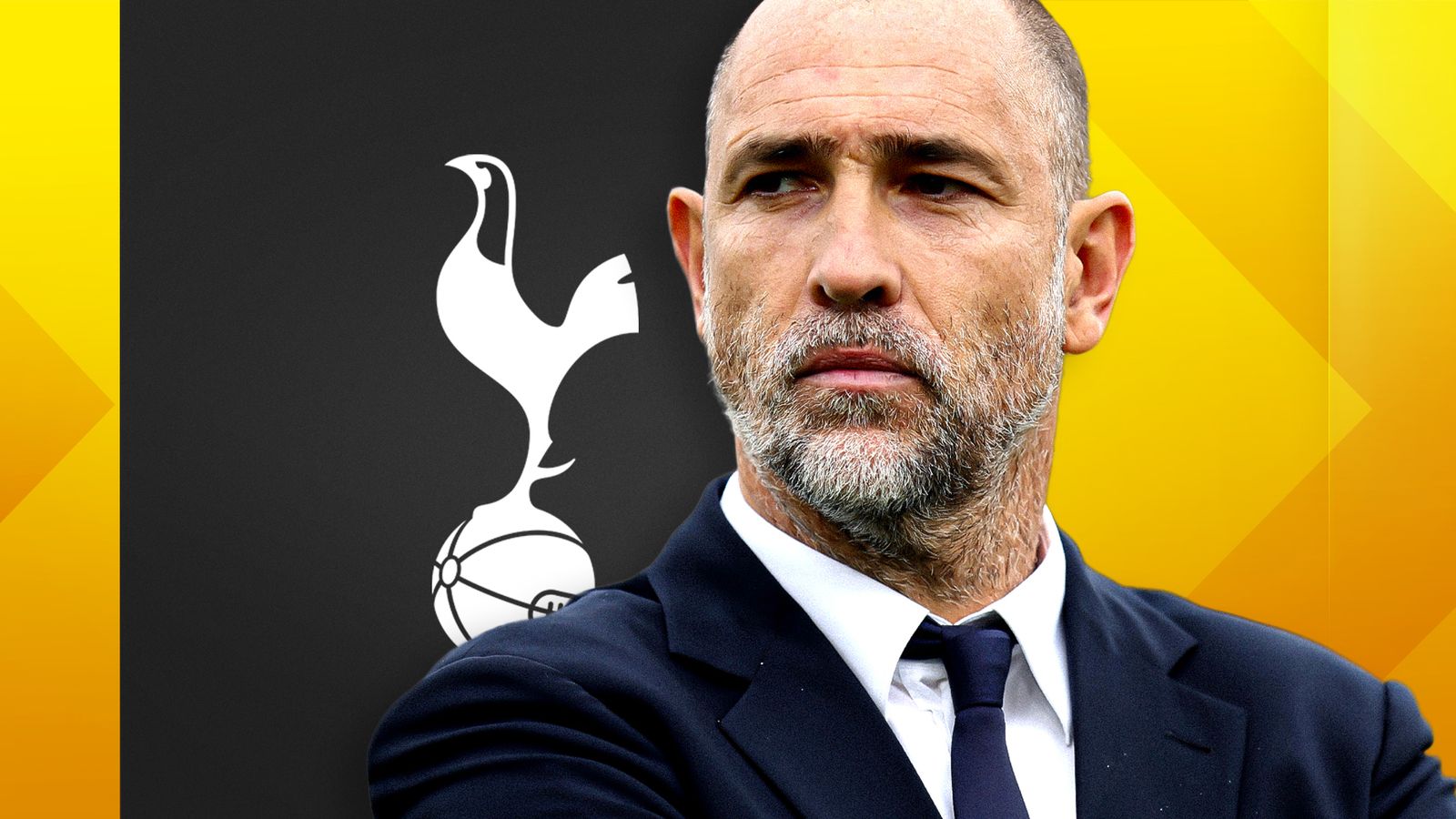
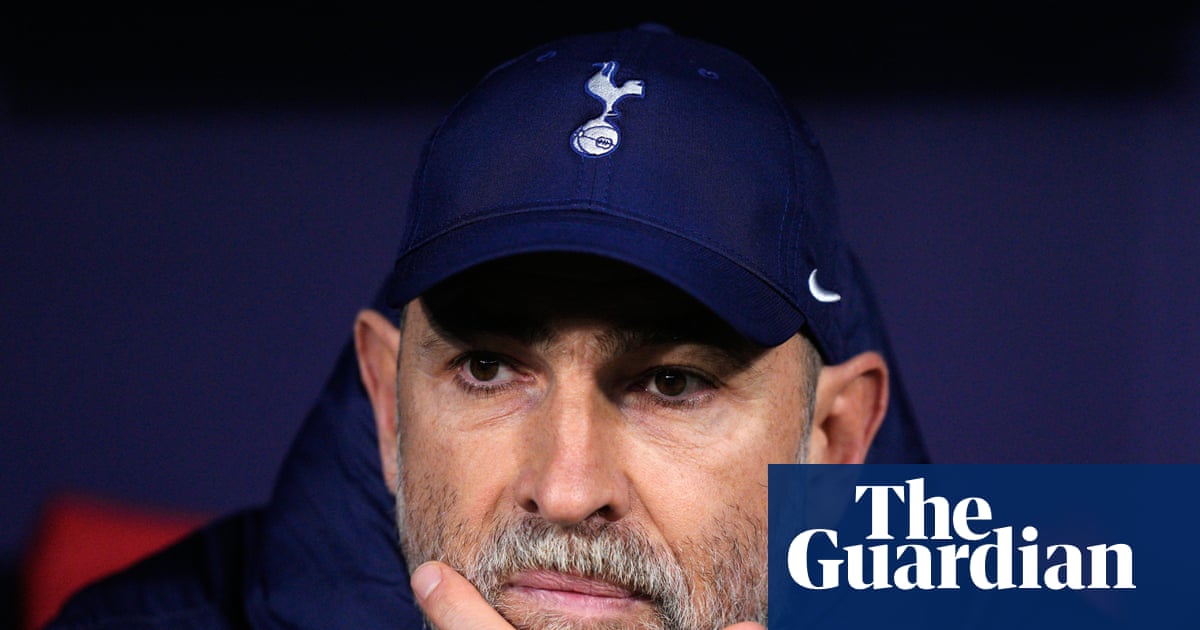
The news broke today that Igor Tudor has left his post as interim head coach. He lasted exactly 44 days. That is barely a cup of coffee in football terms.
Seven matches. Zero Premier League wins. The grand experiment to inject some aggressive, man-to-man intensity into a fractured squad has completely and spectacularly disintegrated.
It is profoundly difficult to comprehend how a club with these facilities, this world-class stadium, and this bloated wage bill finds itself frantically pulling the ripcord in late March just to avoid dropping into the Championship. But here we are. The league table doesn't lie, and right now, it tells a horrifying story for Spurs fans who are watching their club unravel in real time.
Anatomy of a 44-day disaster
When Tudor arrived, the logic from the board was somewhat understandable, if incredibly naive. The team was drifting passively through matches. They needed a massive jolt to the system.
Tudor's time at Marseille and Verona showcased a manager who demanded extreme physical exertion, relentless pressing, and a complete commitment to chaos.
But you absolutely cannot parachute a complex, physically demanding system into a demoralised dressing room mid-season. It was a staggering miscalculation.
The players looked entirely lost from minute one. The pressing triggers were disastrously disjointed. Whenever one player tried to jump out and engage, opponents simply played through the massive, gaping holes left behind. It was tactical suicide disguised as bravery.
The statistics over his seven games paint a grim picture of a team totally out of its depth. They weren't just losing tight matches; they were being outworked, out-thought, and utterly dismantled in the transition moments.
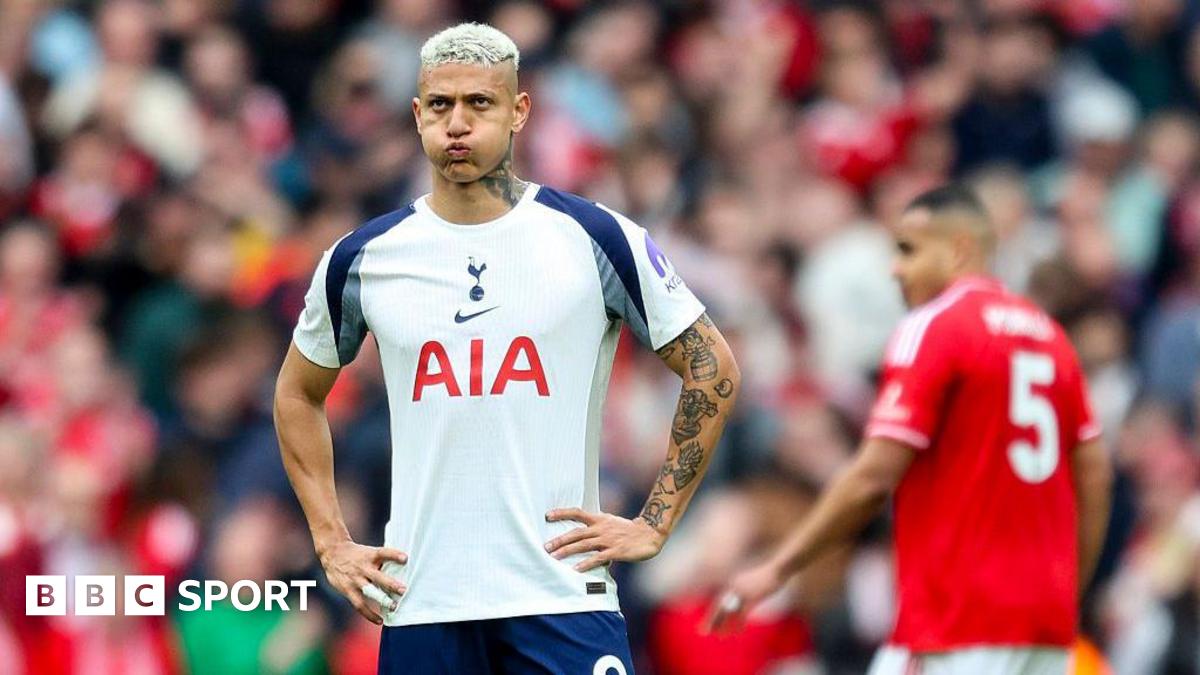
You could see the sheer confusion in the defensive line. Centre-backs like Cristian Romero were being dragged out of position, the midfield was repeatedly bypassed with a single vertical pass, and the attack, led by an increasingly frustrated Son Heung-min, was left entirely isolated on an island.
The human toll of football management
It is impossible to discuss Tudor's departure without acknowledging the deeply tragic personal circumstances surrounding it. The club confirmed he had been away from his post following the death of his father.
Football management is a brutal, unforgiving profession at the best of times, demanding an obsessive level of focus. Trying to navigate a massive Premier League survival fight while dealing with a profound personal loss is an unimaginable burden for anyone to carry.
On a human level, you have to feel deep sympathy for Tudor. This reality makes the club's decision, however desperate it might be to halt the slide, feel incredibly bleak.
It is a messy, deeply sad end to a profoundly misguided appointment. There are no winners here, only a broken manager and a broken football club staring into the abyss.
A squad utterly devoid of fight
The blame for this catastrophe cannot solely rest on Tudor's shoulders. You cannot manage a team effectively for a month and a half and be held entirely responsible for systemic, institutional failure.
This is a crisis years in the making, built on awful recruitment and a complete lack of long-term vision. Look at this squad. It is packed with international players who look completely paralyzed by the pressure.
They are making basic, amateurish errors. Passes are being misplaced under zero pressure. The body language is dreadful across the board. Shoulders slump at the first sign of adversity. This is not a team built for the trenches.
When you are in a relegation battle, you need players who will bite, scratch, and claw for every single point. You need nasty, cynical, pragmatic football.
Tottenham currently play like a team that still believes they are too good to go down. That arrogance is exactly what gets massive clubs relegated.
The collapse of the midfield engine
A massive part of this spectacular collapse has been the total disintegration of the midfield. Under Tudor's brief reign, the engine room was repeatedly bypassed with frightening ease.
You cannot play an aggressive pressing game if Yves Bissouma and Pape Matar Sarr are constantly a second late to every challenge. Opposing teams quickly realized that if they broke the initial line of pressure, there was acres of space to exploit.
The transition defending has been nothing short of amateurish. Midfielders are caught ball-watching, failing to track runners, and leaving the backline completely exposed to numerical disadvantages.
This isn't just about tactical instruction; it is about application and desire. Tracking back is hard work.
It requires genuine effort and a willingness to suffer for the team. Right now, Tottenham's midfield looks utterly unwilling to do the dirty work required to win hard-fought Premier League matches.
A failure of executive leadership
While the players must take their share of the blame, the executives running the football club have engineered this disaster. You do not find yourself in a relegation battle by accident.
You arrive here through years of gross mismanagement, arrogance, and a fundamental misunderstanding of squad building. The managerial turnover has been ridiculous.
They have swung wildly from defensive pragmatists to expansive idealists, ripping up the blueprint every eighteen months. There is no coherent thread connecting the squad profile to any specific style of play.
It is an expensive, bloated mishmash of different eras and different ideas, desperately thrown together on the pitch hoping for a miracle. The hierarchy must look in the mirror.
Appointing Igor Tudor for such a short window in the middle of a survival fight will go down as one of the most baffling decisions in recent Premier League history. It was a panicked roll of the dice that spectacularly backfired, and it might just cost them their top-flight status.
The immediate tactical shift required
Spurs are now entirely rudderless with the season entering its most decisive, unforgiving phase. There are no easy games left on the schedule.
Every single opponent smells blood in the water. Whoever steps into the dugout next — whether it's another interim, a youth coach, or a last-minute panic-hire — has a monumental task ahead of them.
They don't need a grand philosophy right now. They don't need Pedro Porro acting as an inverted fullback or complex positional play. They need points.
They need a deep, ugly, compact block. They need to stop the bleeding immediately.
Whoever they face this weekend, the immediate tactical shift has to be a violent swing back to absolute basics. Drop the defensive line twenty yards. Compact the space between the midfield and the defence until there is no air left to breathe.
Force opponents to play around them, not through them. It will be thoroughly miserable to watch, but aesthetic, expansive football is a luxury Tottenham Hotspur can no longer afford.
The financial nightmare of the drop
Let us not ignore the massive elephant in the room. Relegation for a club like Tottenham isn't just a sporting disaster; it is a financial catastrophe of epic proportions.
The revenue drop from missing out on Premier League television money is absolutely staggering. The wage bill is built for lucrative European nights, not grim Tuesday trips to Plymouth Argyle.
Parachute payments soften the blow, but they do not even come close to covering the immense running costs of a modern super-club with a billion-pound stadium.
We have seen massive clubs go down before. Leeds United, Newcastle, Aston Villa. But a club of Tottenham's current scale dropping out of the top flight would be unprecedented in the modern Premier League era.
The knock-on effects for player retention, sponsorship deals, and the overall trajectory of the club would set them back an entire decade.
The verdict: Can they survive?
So, we enter April. The sharp end of the season. Spurs have exactly zero momentum, no permanent manager, and a terrifying fixture list staring them in the face.
Every match is now a cup final. The players have to find something deep within themselves, some reserve of pride and resilience that has been entirely absent for months.
The new voice in the dressing room has to somehow convince these players that they are in a literal fight for their professional lives.
Forget the top four. Forget European qualification. This is about survival. Pure, naked, desperate survival.
Based on the abject misery of the last month and a half, my prediction is bleak: they do not have the stomach for the fight. They are going down. The clock is ticking, and Tottenham Hotspur have already run out of time.
Read Next
- Spurs hit rock bottom as Tudor exits and Vicario requires surgery
- Tottenham and Leeds are proving why rigid tactics ruin good attackers
- Spurs medical leak exposes deep dysfunction as Dyche circles
- Arne Slot's tactical arrogance is destroying Liverpool from the inside
- 🏆 Europa League Final 2026 — Full Coverage Hub