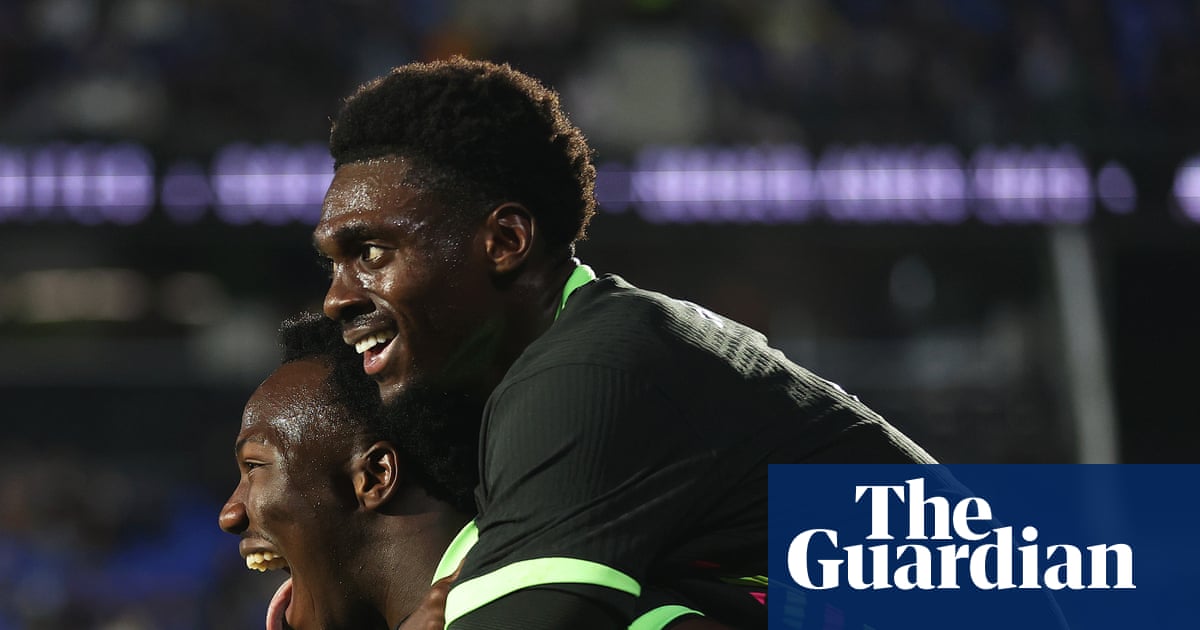
Indonesia crashing the 2026 World Cup party changes Asian football

The long wait is over
For decades, Southeast Asian football was treated like a joke by the rest of the continent. You'd watch the giants of Japan, South Korea, and Iran comfortably steamroll their way to qualification while nations like Indonesia were stuck playing catch-up. They were the easy three points on the schedule, the team you rotated your squad against to rest starters. That narrative is officially dead. The Garuda squad has officially booked their ticket to the 2026 World Cup, and it feels entirely earned rather than fluky.
Shin Tae-yong didn't just inherit a squad; he ruthlessly overhauled the entire structure of the national team from the ground up. Look back at the dark days of Indonesian football just ten years ago. FIFA bans, internal association chaos, and embarrassing regional exits in the AFF Championship were the norm. Now, they are standing shoulder to shoulder with the global elite. The transformation relies heavily on identifying and integrating diaspora talent, which drew plenty of criticism from local pundits initially.
Purists argued it was a shortcut, completely missing the point that modern international football is built on maximizing every eligible player you can find. Morocco and Algeria have been doing it for years. If you have players in the Dutch league willing to bleed for the shirt, you put them on the plane. The complaints faded quickly once the results started pouring in.
The Shin Tae-yong masterclass
If anyone deserves a statue outside the Gelora Bung Karno Stadium, it's Shin. The South Korean manager took over a fractured system in 2019 and implemented a brutal fitness regimen that broke players who weren't willing to adapt. He shipped out the entitled deadwood veterans and put extreme faith in untested youth. Marselino Ferdinan was getting massive minutes as a teenager, learning to dictate play in hostile away fixtures across the Middle East. That kind of baptism by fire forged a core group that simply doesn't panic when they go a goal down anymore.
The tactical shift has been just as impressive. We aren't watching a terrified team that parks the bus in a low block and prays for a lucky counter-attack. They press aggressively out of possession, transitioning quickly through the midfield using players like Thom Haye who can actually pick a progressive pass under pressure. Jay Idzes brought much-needed defensive stability from Serie A, marshalling a backline that historically leaked goals against top-tier opposition. It's a pragmatic, highly structured system designed to mask individual deficiencies while amplifying their collective work rate.
Not a flawless system
But let's not pretend everything is perfect heading into 2026. The gap between the naturalized European-based players and the domestic Liga 1 talent is glaring, and it represents a massive vulnerability. When injuries force Shin to rotate heavily into his local reserves, the drop-off in technical quality is severe. You saw it during their 5-1 defeat to Iraq in the qualifiers; the moment the starting midfield trio was disrupted, the defensive structure completely collapsed under sustained pressure.
If they suffer key injuries before the group stages in North America, they could be staring down some truly humiliating scorelines against European or South American heavyweights. There's also a legitimate concern about long-term sustainability. Relying this heavily on finding players with Indonesian grandparents in the Eredivisie isn't a genuine development strategy. The PSSI needs to use the massive financial windfall from this qualification to fix the broken domestic grassroots system.
If they waste this moment congratulating themselves without building academies that can produce the next Marselino locally, this 2026 appearance will just be a weird historical anomaly rather than the start of a consistent new era. They cannot afford to operate like a scouting network forever. At some point, the domestic league has to pull its weight.
The impact on the region
Regardless of what happens at the tournament itself, Indonesia's qualification is a massive wake-up call for Vietnam, Thailand, and Malaysia. The old regional hierarchy is completely shattered. Thailand used to be the undisputed kings of ASEAN, comfortably swatting aside their neighbors while repeatedly failing on the continental stage. Now, they are watching Indonesia leapfrog them entirely, leaving the Thai FA scrambling to figure out how their own youth systems fell so far behind the curve.
For the millions of fans in Jakarta and beyond, this is a moment of pure, unadulterated relief. The Gelora Bung Karno is going to be the most terrifying away day in Asian football for the next decade. The sheer volume and hostility of that 80,000-seat cauldron, combined with a team that actually believes it belongs on the pitch, is a potent mix that will intimidate even the most seasoned opponents.
Indonesia isn't going to the United States, Canada, and Mexico just to swap shirts and take photos with Lionel Messi or Kylian Mbappe. They are going to play hard, tackle aggressively, and cause absolute chaos in the group stages. The rest of the world has no idea what kind of passion is coming their way, and that element of surprise might be their greatest weapon.
Read Next
- Dorival Júnior needs to stop ignoring the Brasileirão for 2026
- Fenerbahçe finally broke the European ceiling in 2026
- Real Betis are finally showing why the Conference League matters
- Stop sleeping on the dark horses in this year's Conference League
- 🏆 World Cup 2026 — Full Coverage Hub
- 🇮🇩 Indonesia Garuda — World Cup 2026 Hub (Historic First)
Frequently Asked Questions
How did Shin Tae-yong transform Indonesia for the 2026 World Cup?
What role did diaspora players play in Indonesia's qualification?
Who are the key players in Indonesia's 2026 World Cup squad?
What tactical changes did Shin Tae-yong implement for Indonesia?
What is the biggest challenge for Indonesia at the 2026 World Cup?
More Reviews & Picks
Iraq's 40-year World Cup exile finally ends
1 month, 3 weeks ago
Iran at the 2026 World Cup is a total mess but prepare for chaos on the pitch
3 weeks, 2 days ago
Kosovo is exactly what the expanded World Cup needed
2 months ago
The World Cup's 48-team chaos is finally here
1 month, 4 weeks ago
Saudi Arabia's Billion-Dollar League Is Killing Its National Team
2 months, 1 week ago