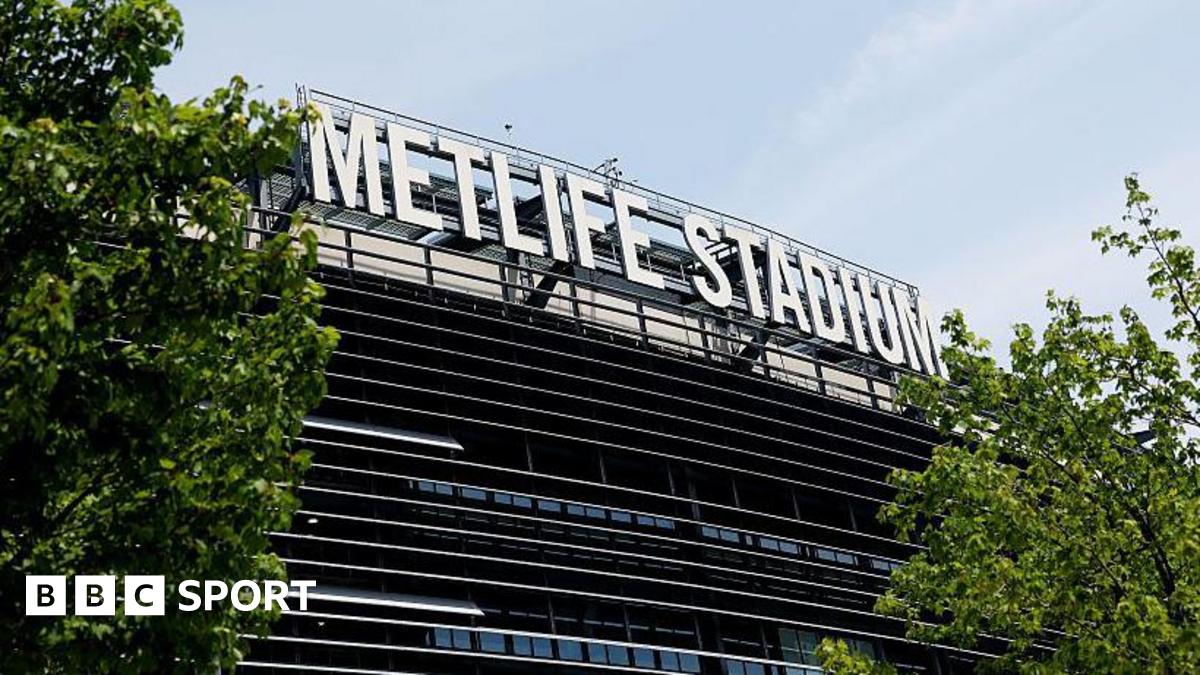
The economics of a 2026 World Cup mismatch
FIFA President Gianni Infantino recently addressed the controversy surrounding the cost of the 2026 World Cup, defending what some observers have labeled as exorbitant pricing metrics. According to reports from the Mirror, the governing body is managing a price structure that seems divorced from the pre-tournament expectations of the average domestic supporter. With the tournament kickoff scheduled for June 11, 2026, the optics of these figures are becoming a point of contention.
Analyzing the procurement shift
The internal mechanics of WWE roster management offer a compelling parallel to how global sports organizations handle scarcity. Just as the recent adjustments to Roman Reigns' schedule forced a reevaluation of star-power value, FIFA is betting that the U.S. market holds an inelastic demand curve. However, the data reveals a potential miscalculation in market tolerance.
Historically, World Cup pricing in European or South American venues aimed for a mass-market spread. By shifting the venue density to the United States, FIFA has arguably traded long-term loyalty for short-term gate revenue maximization. The reported £1.5m figure associated with certain ticketing tiers serves as a shock to a system that has traditionally relied on accessibility for its cultural weight.
The churn of developmental talent
Similar to the financial tightening in major tournament hosting, the performance center is seeing a shift in personnel longevity. The recent exit of Francois Prinsloo is a 15% increase in developmental turnover compared to the same period in 2024. Companies often view this high-volume recruitment as a way to find outliers, but the lack of stability hinders individual development curves.
Efficiency in sports organizations is measured by total output divided by total investment. When an organization moves through talent as quickly as they move through pricing models, the byproduct is often a dilution of product quality. If the goal is to expand the reach of the sport, pricing out the foundational fanbase creates a structural debt that cannot be paid back by a single successful cycle.
The reality of attendance metrics
Infantino suggests that the prestige of the event justifies the cost, yet seat occupancy rates for non-marquee matches indicate otherwise. In past tournaments, lower-tier group matches saw an average attendance of 88%, while current projections for 2026 suggest a possible drop to 74% if pricing continues to scale linearly with proximity to the finals. This creates a vacuum in atmosphere, as corporate attendees rarely replicate the intensity of core supporters.
Ultimately, a tournament is defined by the energy found in the stands at the 15th minute of a match, not by the wealth of those holding the tickets. If FIFA maintains this course, the result will be a sanitized, quiet product. They may hit their total revenue targets, but the loss of authentic engagement is a deficit that will compound long after the final whistle blows on June 28, 2026.