The mathematics of extortion
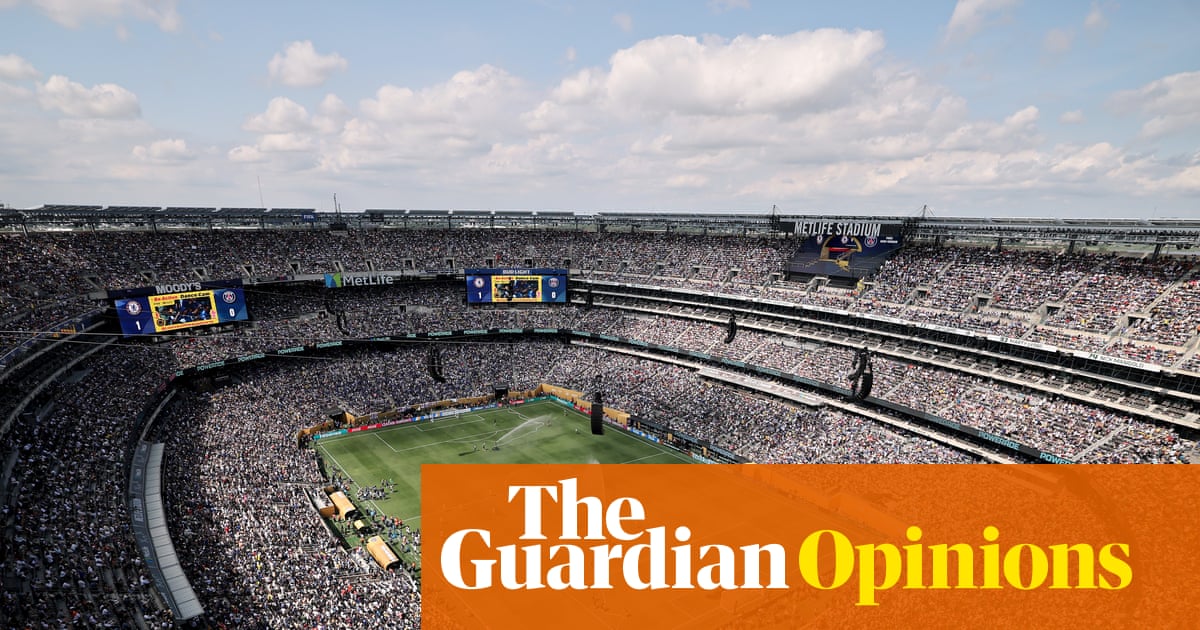
To understand the structural reality of the 2026 World Cup, you only need to examine a single, ruinous number: $1,000. That is the current floor to secure a standard ticket for the United States opening group stage match against Paraguay. We are not discussing hospitality suites or VIP access. That is the baseline cost for a plastic seat to watch 90 minutes of football against a CONMEBOL opponent likely to deploy a deep, frustrating low block.
The pricing strategy deployed by FIFA for this expanded 48-team tournament represents a severe miscalculation of market tolerance. When even Donald Trump publicly states he wouldn't pay four figures for a group match, the governing body has lost the plot entirely. The former US president told the New York Post that the cost to attend these fixtures simply does not add up. This delivers a highly public blow to FIFA chief Gianni Infantino's relentless promotion of the event across the host nations.
Infantino spent Thursday defending reports of staggering £1.5m VIP resale packages, issuing bizarre personal ticket pledges while entirely ignoring the fundamental issue. Football is aggressively pricing out its foundational audience.
If you break down a standard ticket for an average 90-minute match, fans are paying over $11 per minute of action. When you factor in the modern average of 58 minutes of actual ball-in-play time, the cost jumps to nearly $17 for every 60 seconds the ball is rolling. There is a direct tactical consequence to this artificial scarcity. When stadiums are filled with corporate attendees paying premium rates rather than vocal, organized supporter groups, the atmospheric pressure on away teams evaporates. Referees are statistically less likely to be swayed by home crowds when the stadium lacks genuine hostility, meaning the US is functionally surrendering its home-field advantage to host a silent, wealthy audience.
Breaking bodies on the eve of kickoff
We are exactly 35 days away from the June 11 kickoff, and the entire operation is already buckling under its own weight. The tactical and physical reality of dragging players through an exhausted European club calendar straight into a continent-spanning summer tournament is showing undeniable fractures. The scheduling pressure is forcing desperate measures and breaking bodies across the globe.
Look precisely at the United States Men's National Team midfield. Johnny Cardoso suffered a high-grade sprain in his right ankle while playing for Atlético Madrid, with the club confirming the severity of the damage on Thursday. The medical math here is brutal and unforgiving. A typical high-grade ankle sprain requires a strict minimum of four weeks for basic tissue healing, followed by intensive on-pitch rehabilitation to regain match fitness. Cardoso has a maximum five-week window before the tournament begins.
There is no biological shortcut for ligament repair. He will either miss the tournament entirely or arrive lacking the explosive rotational stability required to operate in a modern, high-pressing midfield. Cardoso has averaged 2.4 interceptions and 6.8 ball recoveries per 90 minutes this season. Losing that specific defensive output forces the US to sit deeper, entirely altering their pressing triggers. You cannot replace that volume of defensive work with a half-fit player rushing back from ligament damage.
The physiological deficit
This physiological breakdown is a systemic issue across the tournament grid. The Mexican Football Federation issued a stark ultimatum this week, threatening to drop players from their final World Cup squad entirely if they fail to report for a mandated training camp. Mexico's tactical setup under pressure has been glaringly fragile. Over their last ten competitive fixtures, their Passes Allowed Per Defensive Action (PPDA) has drifted out to 14.2 against top-tier opposition, indicating a severely passive press.
They desperately need this camp to drill synchronized pressing traps. The federation's threat is an act of pure desperation. They are prioritizing tactical cohesion over basic sports science, risking soft-tissue injuries simply to ensure the squad understands when to trigger the press.
Conversely, Manchester United have taken the rare, pragmatic step of shutting down Matheus Cunha early, granting him a deserved break ahead of the tournament. United’s medical department clearly analysed his sprint data and load management. Modern elite forwards regularly clear 1,200 meters of high-speed sprinting per match, and by game 55 of a domestic season, muscle elasticity drops significantly. United shutting him down is the only reason he will have any explosive burst left when the World Cup knockout rounds begin.
Selling off the memories
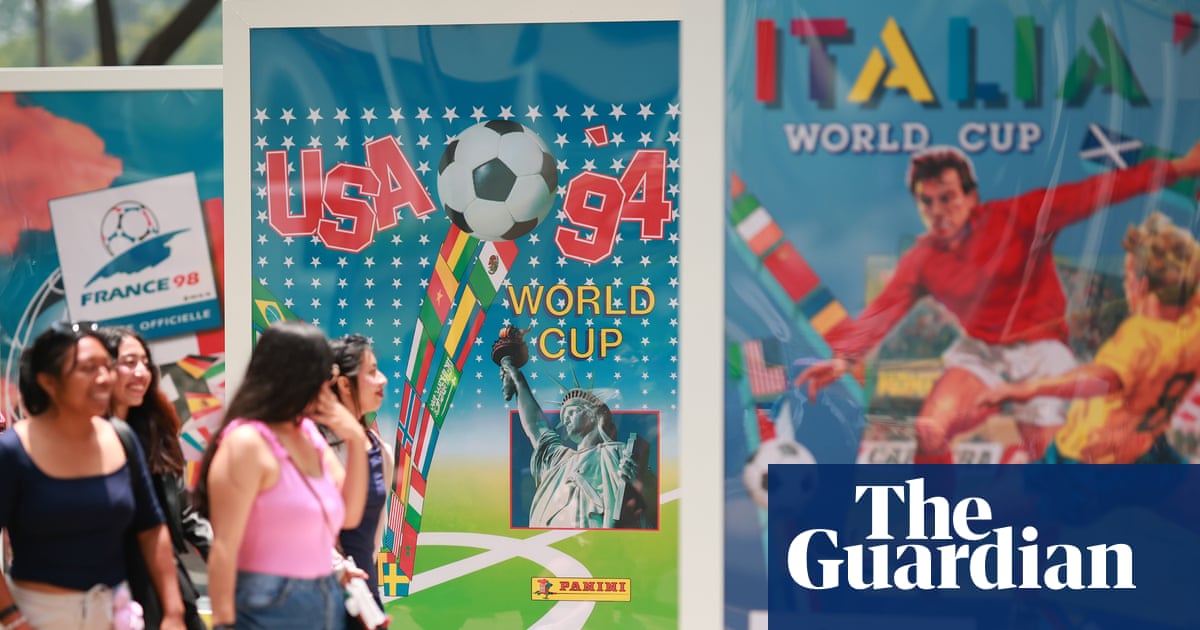
While the players break down physically, the governing body is busy stripping away the accessible culture that built the tournament's global appeal in the first place. On Thursday, FIFA announced they are severing ties with Panini after the 2030 centenary tournament. A partnership that began in 1970 is being unceremoniously thrown out to make way for Fanatics in 2031.
This is a massive cultural shift masquerading as a simple commercial tender. For exactly 60 years by the time the deal ends, Panini sticker albums were the entry point for millions of fans to understand the tactical setups, formations, and squads of foreign teams. It was cheap, accessible, and democratic. Moving the contract to Fanatics—a sports merchandise giant built heavily on premium, artificial-scarcity trading cards—signals exactly where FIFA views the future of football consumption.
They do not want kids trading duplicate stickers in a playground to complete a team sheet. They want adults treating limited-edition player images as volatile financial assets. It is the exact same logic driving the group stage ticket prices: extract maximum immediate capital from a smaller, wealthier demographic, regardless of the long-term cultural cost.
Small victories in the margins
There is currently only one measurable pushback against this aggressive commercialisation that is actually succeeding. In Australia, the Victorian government completely overturned a ban on showing World Cup matches on big screens at Melbourne's Federation Square. The reversal only occurred because of a massive public outcry, led notably by Matildas star Sam Kerr.
Victorian Premier Jacinta Allan relayed the frustration perfectly. She noted that while some fans acting like "d**kheads" had previously caused issues, banning the public entirely was a fundamental overreach. It is a tiny, isolated win. A public space reclaimed for people who cannot afford a trans-Pacific flight and a four-figure ticket.
But structurally, the tournament remains locked into a deeply exclusionary trajectory. We are about to watch an expanded field of teams navigate a physically dangerous calendar, playing in front of corporate crowds completely disconnected from the traditional sporting demographic. The tactical quality will inevitably suffer. When players are rushed back from high-grade sprains on a compressed schedule, you do not get high-level international football. You get slow, risk-averse survivalball.
Read Next