
MLS isn't ready for the 2026 World Cup spotlight

The hype train is leaving the station
The 2026 World Cup is being sold to us as the ultimate coming-out party for American soccer. We are told the sport will finally shed its status as a niche pursuit. We hear the anecdotes about the 1994 tournament sparking the creation of MLS, as if history is a simple loop. But let’s look at the reality of the current product.
The league has spent years chasing stars like Lionel Messi, Sergio Busquets, and Luis Suárez to Inter Miami. These signings definitely sell tickets, but they mask the structural rot beneath. When the world tunes in to see if the United States can actually play, they won't be looking for retired legends.
The talent drain remains a massive problem
Development in the United States is still stuck in the pay-to-play model. You look at the rosters of elite European clubs, and the American kids who make it are almost exclusively those with the financial backing to bypass the broken youth system. Meanwhile, the league continues to prioritize veteran signings over the radical overhaul of academy pathways.
Look at the results on the pitch. The league still struggles to produce consistent defensive talent. When you watch a match between the New York Red Bulls and LA Galaxy, the defensive lapses are often glaring. These errors are not just tactical failures; they are fundamental issues in how players are taught the game from age ten.
As The Guardian reported, the league is currently juggling a massive expansion of its roster rules. This is a desperate attempt to stay competitive while European leagues continue to drain the best domestic prospects before they even sign a professional contract in the states.
The missed opportunity of a lifetime
We are hosting the biggest sporting event on the planet. Yet, the governing bodies seem more interested in maximizing revenue from suites and stadium activations than in building a sustainable national identity. The match schedule is designed for broadcast windows, often ignoring the physical toll on players or the connection to local supporters.
The 2026 tournament will see the final played at MetLife Stadium. That is a venue where the turf is a constant complaint for actual footballers. The fact that the pinnacle of the tournament will happen on a field that makes professional players wince is a 0/10 decision.
The league needs to stop pretending that celebrity owners and shiny new kits are enough. If the quality of the on-field product doesn't improve by 2026, the world will see exactly what we’ve known all along: the United States is a market, not a powerhouse. We are building a house of cards on a foundation of marketing budgets.
The reality check
There is no plan to fix the salary cap complexity that baffles even the most dedicated fans. When you have to explain TAM, GAM, and international slots just to understand why a player was traded, you have failed to make the game accessible. The complexity is a barrier that keeps the casual viewer from ever becoming a die-hard.
The league is on track to hit an average attendance of over 22,000 per game, which is a massive achievement on paper. However, raw numbers don't equate to cultural relevance. Real relevance requires a league that produces its own heroes rather than importing them for a victory lap before retirement.
If the goal of 2026 is just to sell out stadiums, it will be a success. If the goal is to turn the American public into genuine football followers who care about the nuances of the game, the current strategy is doomed. You cannot market your way into being a top-tier football nation. You have to earn it, and right now, the work isn't being done.
Read Next
- MLS expansion is a pyramid scheme dressed up as a soccer league
- Leagues Cup 2026 is a desperate reach for relevance
- The Superliga Golden Boot race is totally wide open this year
- Canada, Austria, and the disruptors built to ruin the 2026 World Cup
- 🏆 World Cup 2026 — Full Coverage Hub
- ⚽ MLS 2026 Season Hub — World Cup Year Guide
Nike Academy Team Soccer Backpack
Keep your gear organized and dry with this rain-ready bag designed for serious b
Frequently Asked Questions
Why is the current MLS youth development system considered broken?
What impact do veteran star signings have on MLS?
How do complex roster rules affect the MLS fan experience?
What concerns exist regarding the 2026 World Cup final venue?
Why is the US struggling to produce consistent defensive talent?
More Coverage

Top 10: Definitive Penalty Moments in Modern Football
3 hours ago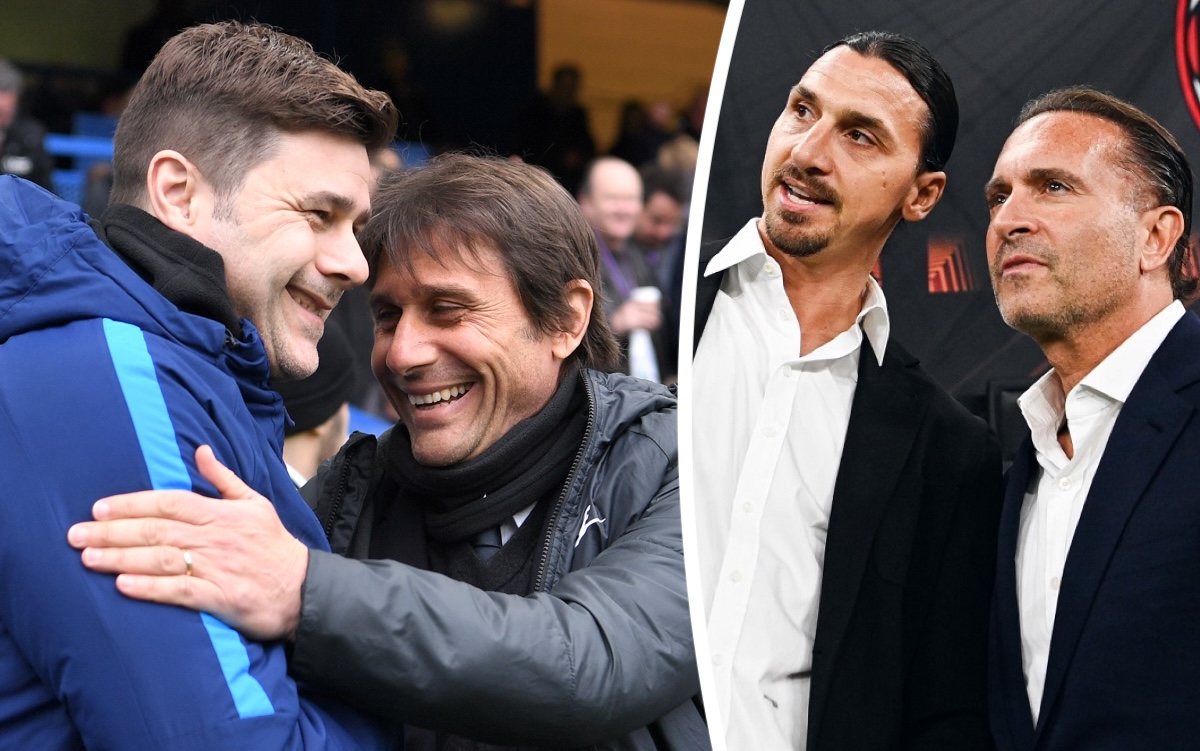
Why AC Milan courting Mauricio Pochettino is a massive gamble
7 hours ago
Top 10: Defining Football Moments of the 2025-26 Season
7 hours ago
Top 10: The Defining Moments of the 2025/26 English Football Season
8 hours ago
The post-football career pivot is the smartest move a veteran can make
14 hours ago
Top 10: The Most Audacious Moments in Modern Football
16 hours agoMore Match Reports
The USMNT is heading for a World Cup disaster if they don't fix these five things
1 month ago
MLS is stalling and the World Cup won't fix it
2 days, 14 hours ago
Leagues Cup 2026 is a desperate reach for relevance
2 months, 1 week ago
MLS expansion is a pyramid scheme dressed up as a soccer league
2 months, 1 week ago
The 2026 World Cup 'unity' pitch is falling apart weeks before kickoff
1 month ago