The promotion mechanics behind the Ipswich surge
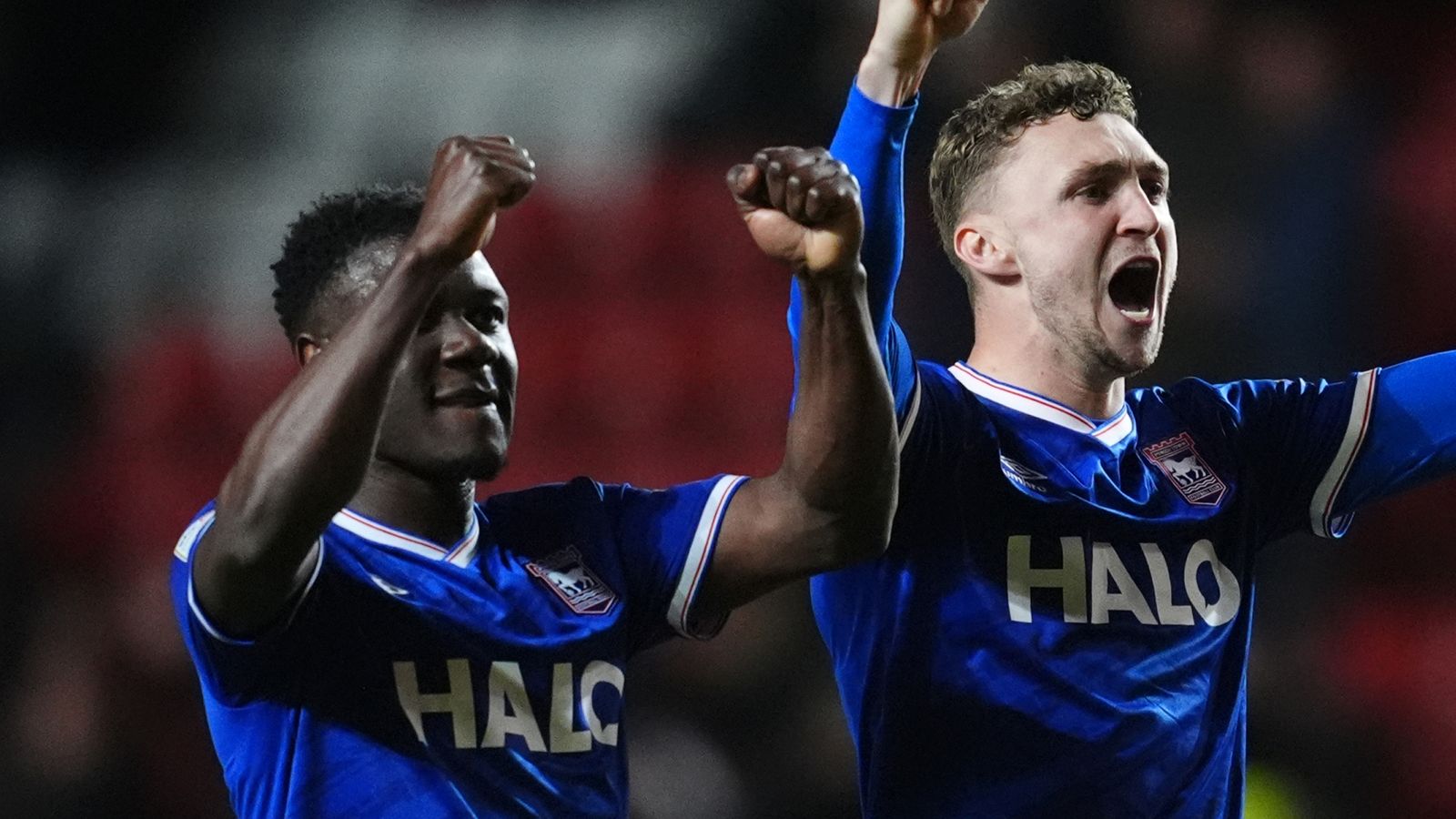
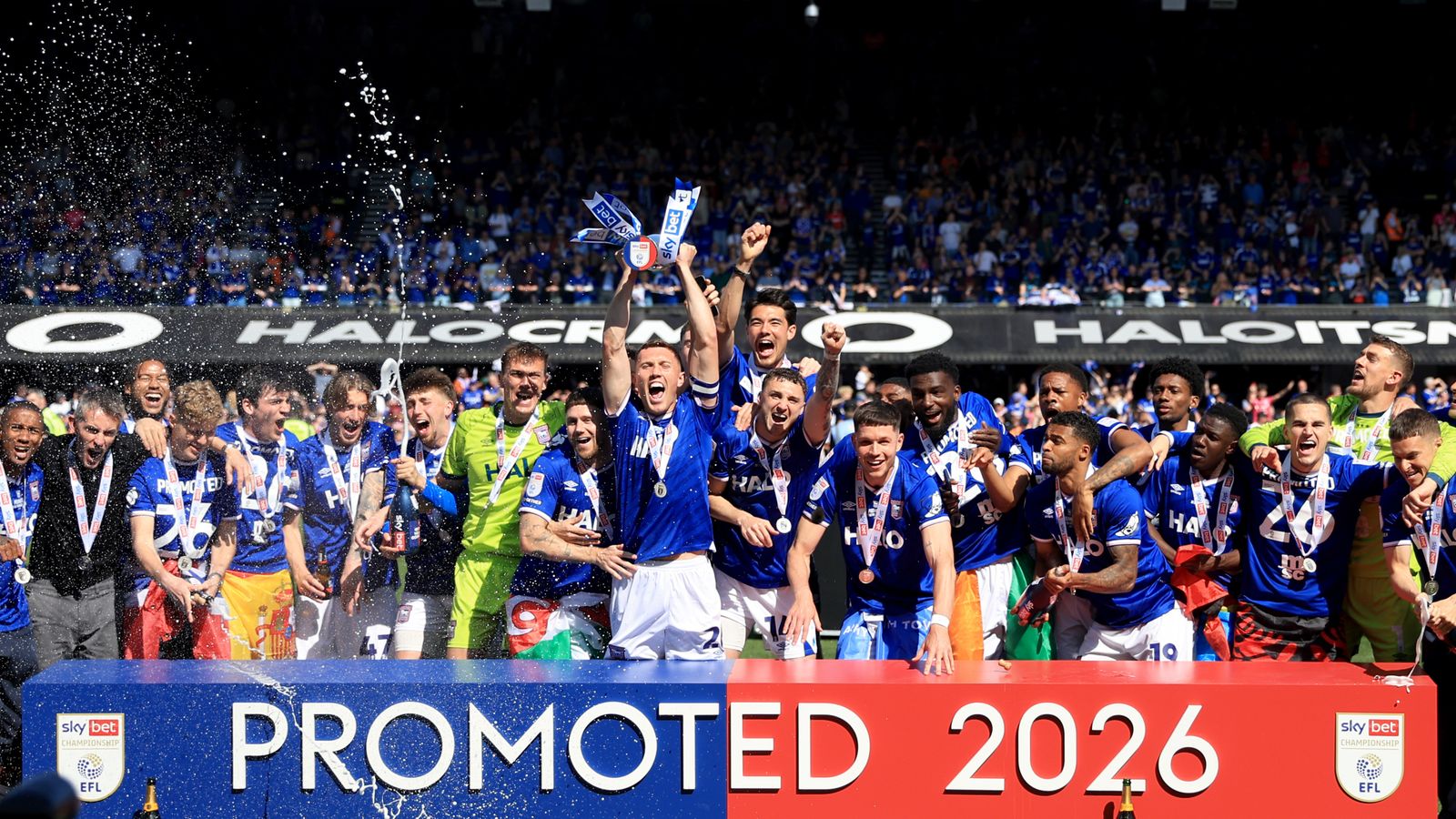
Promotion cycles tend to follow a predictable decay, yet Ipswich Town have defied the typical regression seen in clubs jumping from League One to the Championship. Their recent 4-0 demolition of QPR to secure a Premier League return wasn't just a byproduct of momentum; it was an exercise in tactical discipline. Kieran McKenna has built a side that refuses to engage in the chaotic transition play that usually defines the bottom third of the table.
While most promoted sides look to bunker down, Ipswich utilized a high-block press that suffocated QPR’s pivot players in the first half. The tracking data from that match reveals a team that maintained an average defensive line height of 45 meters, even after establishing a lead. This is rarely seen in Championship clinchers, where nerves usually dictate a retreat into a low block.
Tactical flaws in the promotion blueprint
Despite the celebrations, the underlying numbers from late April show a vulnerability in their right-sided defensive pairing. When the fullbacks push to provide the width required for their 4-2-3-1, they become susceptible to quick switches of play. Against Championship wingers, this was a manageable risk, but the higher-functioning attackers in the top flight will exploit these spaces within seconds.
McKenna needs to address the 14 goals conceded from set-pieces this season. It is a chronic recurring issue that points to a lack of individual aerial dominance in the box. A league that features set-piece specialists at clubs like Arsenal and West Ham will punish this deficiency ruthlessly if it survives the summer.
The reality check for Portman Road
Promotion is a financial windfall, but it brings an immediate need for roster depth. As reported following their win over QPR, the jump in speed and physical intensity between divisions is steep, and Ipswich lacks the rotational options to endure a winter fixture pile-up without sacrificing their high-intensity pressing rhythm.
Do not expect them to spend wildly. The internal culture at the club prioritizes cohesion over star-chasing, which is a rare, refreshing shift. However, they must add a high-volume ball-carrier in midfield who can break line pressure when top-half opponents inevitably force them into deeper defensive positions than they are accustomed to.
Final outlook on the upcoming campaign
Ipswich represents the ideal underdog story, yet the analytical gap between the Championship title contenders and the Premier League’s lower half is wider than it has been in a decade. My take is that they will avoid the bottom three, provided they refine their zonal marking during defensive dead-ball situations.
Prediction: They will finish 17th. It won't be pretty, and it will hinge on their ability to turn Portman Road into a fortress through sheer work rate, but they possess the tactical intelligence to stay up. They have earned the right to be here, but the data suggests they are moving from a position of control to a permanent state of survival.
Read Next
- Brighton are turning St. James' Park into their own personal playground
- Ipswich Town are back and Kieran McKenna is a miracle worker
- Wolves vs Sunderland: Pre-Match Team News Creates Tactical Headaches
- Brighton are exposing Newcastle's positional brittleness
- 🏟 EFL Championship 2025-26 — Promotion Race & Play-Off Final Hub