The Fairytale is Dead, Welcome to Reality
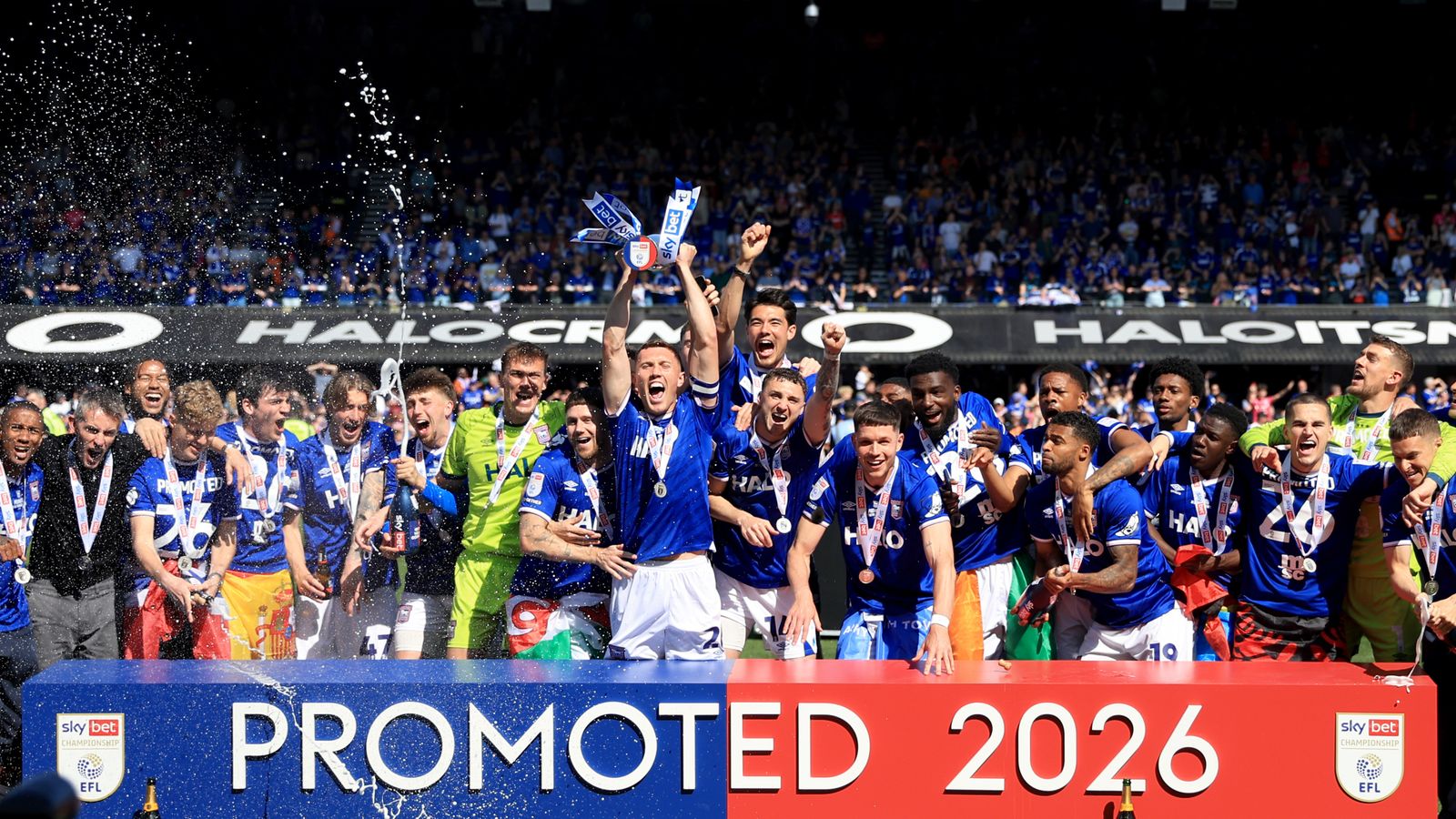
Portman Road was bouncing again this weekend. The pitch invasion happened exactly on schedule, the blue flares choked the Suffolk air, and the obligatory photos of fans sitting on the crossbars flooded Twitter within minutes. Ipswich Town are officially back in the Premier League.
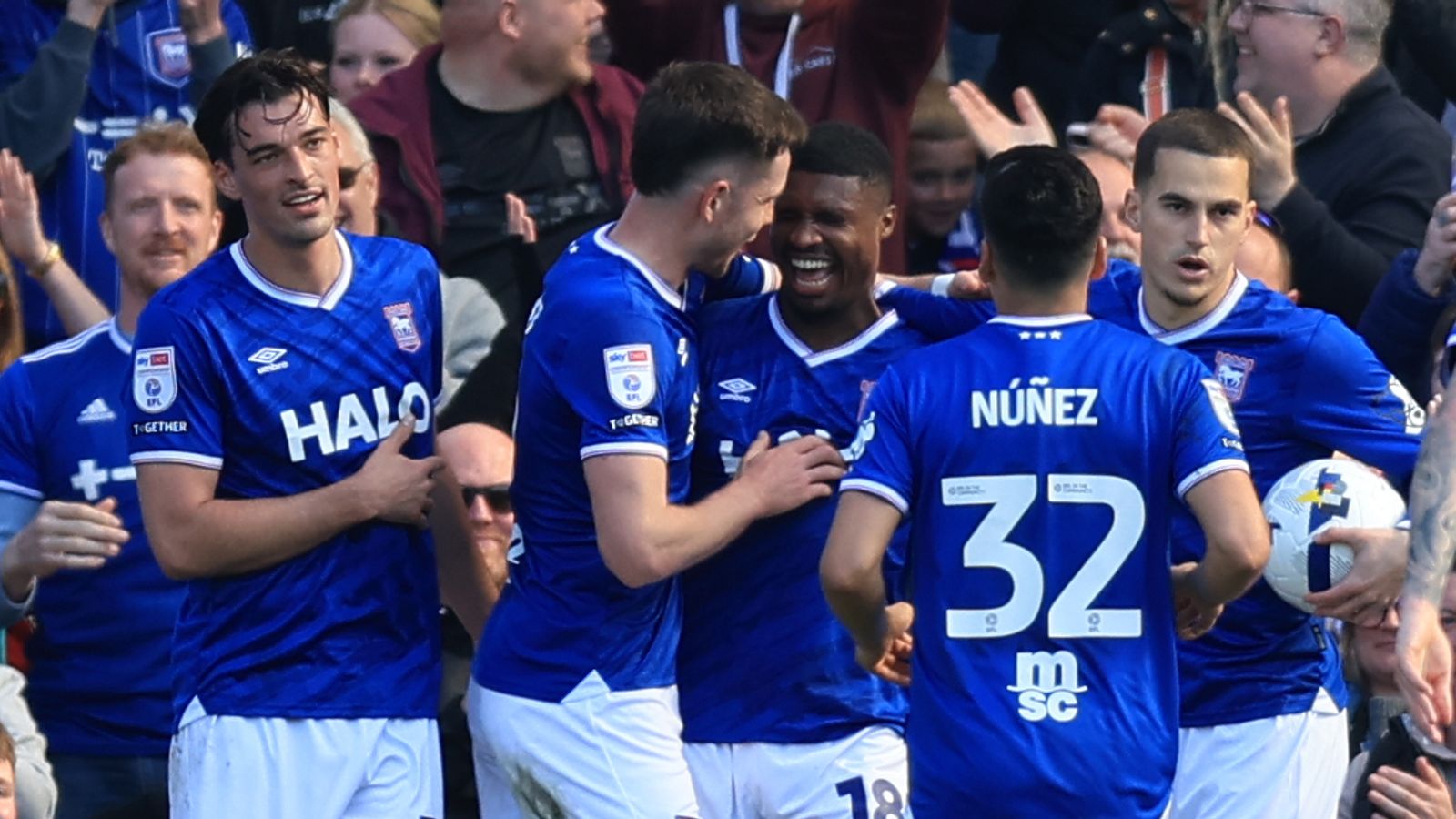
But if you looked closely at the faces of the fans, the players, and especially Kieran McKenna amid the chaos, the emotional frequency was entirely different from that magical afternoon in 2024. Two years ago, getting promoted felt like a glitch in the matrix. It was a Cinderella story built on consecutive promotions, immaculate vibes, and a team of League One misfits playing football like prime Barcelona.
This time? It was just a business trip. There was no wide-eyed wonder. There were no tears of disbelief. It was a gritted-teeth, intensely focused march back to the promised land specifically to fix the glaring mistakes of their last visit.
Because let's be brutally honest about Ipswich's last stint in the top flight. It was an aesthetic triumph and an absolute competitive disaster. They were everybody’s favorite second team. Neutrals loved them. Pundits praised their bravery on Monday Night Football. And opposing managers loved playing them because it meant three easy points and a healthy bump in their goal difference.
They were fun. But being fun in the Premier League usually just means you are incredibly easy to beat.
The Curse of the Tactical Purist
We need to talk about what exactly went wrong in that cursed 2024-25 season. Ipswich came into the Premier League treating it like it was just an extension of the Championship. They genuinely believed they could out-pass, out-press, and out-think teams operating with wage bills five times their size.
It was arrogant. There, I said it. It was sheer managerial arrogance cleverly disguised as an unbreakable philosophy.
McKenna is undeniably a brilliant coach, but his stubbornness last time around bordered on self-sabotage. You simply cannot go to St. James' Park or the Emirates and insist on playing out from your own six-yard box when your center-backs are being hunted by world-class pressing monsters. I remember watching them try to play through the middle against Newcastle, turning the ball over repeatedly, and conceding three times before I had even finished my first pint.
They bled goals in transition every single week. They committed bodies forward like they were playing Rotherham United on a Tuesday night, completely ignoring the terrifying reality that Premier League wingers run the 100-meter dash in Olympic times.
They finished that season with a defensive record that looked like a typo. It was terribly naive. They brought a beautifully crafted, highly polished wooden sword to a machine-gun fight.
The Power of Not Panicking
But here is where the Ipswich story sharply diverges from the standard English football tragedy. Usually, when a newly promoted team gets battered and relegated, the board completely loses their minds.
The predictable script goes like this: They sack the young visionary manager in late February. They panic-hire Sam Allardyce, Sean Dyche, or some other relegation firefighter. They abandon their entire playing identity overnight. They sign three washed-up, 32-year-old journeymen on massive wages. They get relegated anyway, and then spend the next five years rotting in the mid-table of the Championship while paying off terrible contracts.
Ipswich aggressively refused to do that. CEO Mark Ashton and the American owners held their nerve in a way that is incredibly rare in modern football. They looked at the smoldering wreckage of the 24/25 season and made the smartest, most difficult decision available: they did absolutely nothing.
They kept McKenna in charge. They accepted the relegation as a painful, wildly expensive tuition fee for learning what the Premier League actually requires. That front-office stability is the single biggest reason they are bouncing straight back up today.
What Actually Changed This Season?
So, the million-dollar question: Are they actually better equipped this time? The short answer is yes. The long answer requires looking at exactly how they navigated the Championship grind over the last nine months.
They didn't just play the greatest hits from two years ago. McKenna evolved. The pure, unadulterated attacking football of their previous promotion has been replaced by something slightly darker, vastly more cynical, and incredibly effective.
They have finally learned how to suffer. In their previous promotion campaign, if Ipswich didn't dominate 65 percent possession, they looked completely lost on the pitch. This season, we have seen them actively give up the ball in tough away fixtures at places like Elland Road or The Den. We've seen them happily sit in a compact mid-block for forty-five minutes. We've seen them violently kick the ball into row Z when under pressure instead of trying a cute, spinning flick in their own penalty area.
It's glorious, necessary shithousery. And it was desperately missing from their DNA two years ago.
The Midfield Engine and Rest Defense
The tactical buzzword that McKenna clearly spent his summer studying is rest defense. Last time in the Premier League, whenever Ipswich lost the ball, their midfield was usually scattered somewhere near the opposition's corner flag taking photos.
Now? They actually leave responsible adults behind the ball. Sam Morsy has always been a master of the dark arts, but his role has definitively shifted. He's far less of a box-to-box chaotic element now and more of a pure anchor. He sits in the center circle, he protects the back line, and he aggressively fouls anyone trying to start a counter-attack before they cross the halfway line.
Their fullbacks have also had a massive reality check. Leif Davis was a creative revelation two years ago, but he was routinely exposed and humiliated defensively against elite wingers. This year in the Championship, he hasn't bombed forward with reckless abandon on every single attack. He actually picks his moments. The overlapping runs are calculated risks now, not compulsory habits.
A Roster Built for Survival, Not Just Style
Then there is the recruitment strategy. The parachute payments obviously gave them a massive financial advantage over the rest of the Championship. But it is how they spent that money that matters.
Instead of hoarding technically gifted but physically lightweight attacking midfielders, Ipswich bought pure muscle. They recognized that the Premier League is, fundamentally, a brutal track meet played by giants.
They added serious height to defend set pieces. They added sheer, terrifying sprinting speed in the wide areas to threaten on the counter. They stopped signing players who only look good when they have three unchecked seconds on the ball, because you simply do not get three seconds on the ball in the top division.
They built a squad that can win ugly. And winning ugly is the only currency that matters when you are fighting for your Premier League life on a freezing afternoon in March.
The Fixture List Reality Check
Let's not get entirely carried away, though. The Premier League remains an absolute meat grinder. The financial and physical gap between the Championship and the bottom half of the Premier League grows wider every single season.
Just look at the teams that went up last year. It is a constant, exhausting struggle for basic relevance. Ipswich will still be massive underdogs in at least 25 of their 38 matches next season.
They will still have weeks where they get comprehensively outplayed from the opening whistle. They will still face the terrifying reality of Erling Haaland or Bukayo Saka tearing their meticulously planned defensive shape to shreds. You cannot completely bridge a billion-pound financial gap with good vibes, smart tactics, and a loud stadium.
If their key striker goes down with a torn hamstring in October, they don't have a £50 million replacement sitting on the bench waiting to step in. They are always exactly one bad injury crisis away from plunging into another miserable relegation battle.
The Verdict: Tourists No More
But the ultimate question isn't whether Ipswich will qualify for Europe. The question is whether they are better equipped to survive a 38-game war of attrition. And the evidence points heavily in their favor.
They have completely shed their naivety. They aren't coming up just to take photos at Old Trafford and happily swap shirts with Kevin De Bruyne after a 4-0 loss. This squad has tasted the bitterness of a Premier League relegation. They know exactly how dark and unforgiving that level is.
Kieran McKenna has been burned badly by his own tactical idealism, and he has adjusted his worldview. That newly discovered adaptability makes him a far more dangerous manager than he was two years ago.
Ipswich Town are no longer the wide-eyed, happy-to-be-here tourists of English football. They are battle-hardened, pragmatic, and significantly meaner. Will it actually be enough to keep them up? Maybe. But I guarantee you this: they aren't going to be an easy three points for anyone this time around.