A Brutal Diagnosis
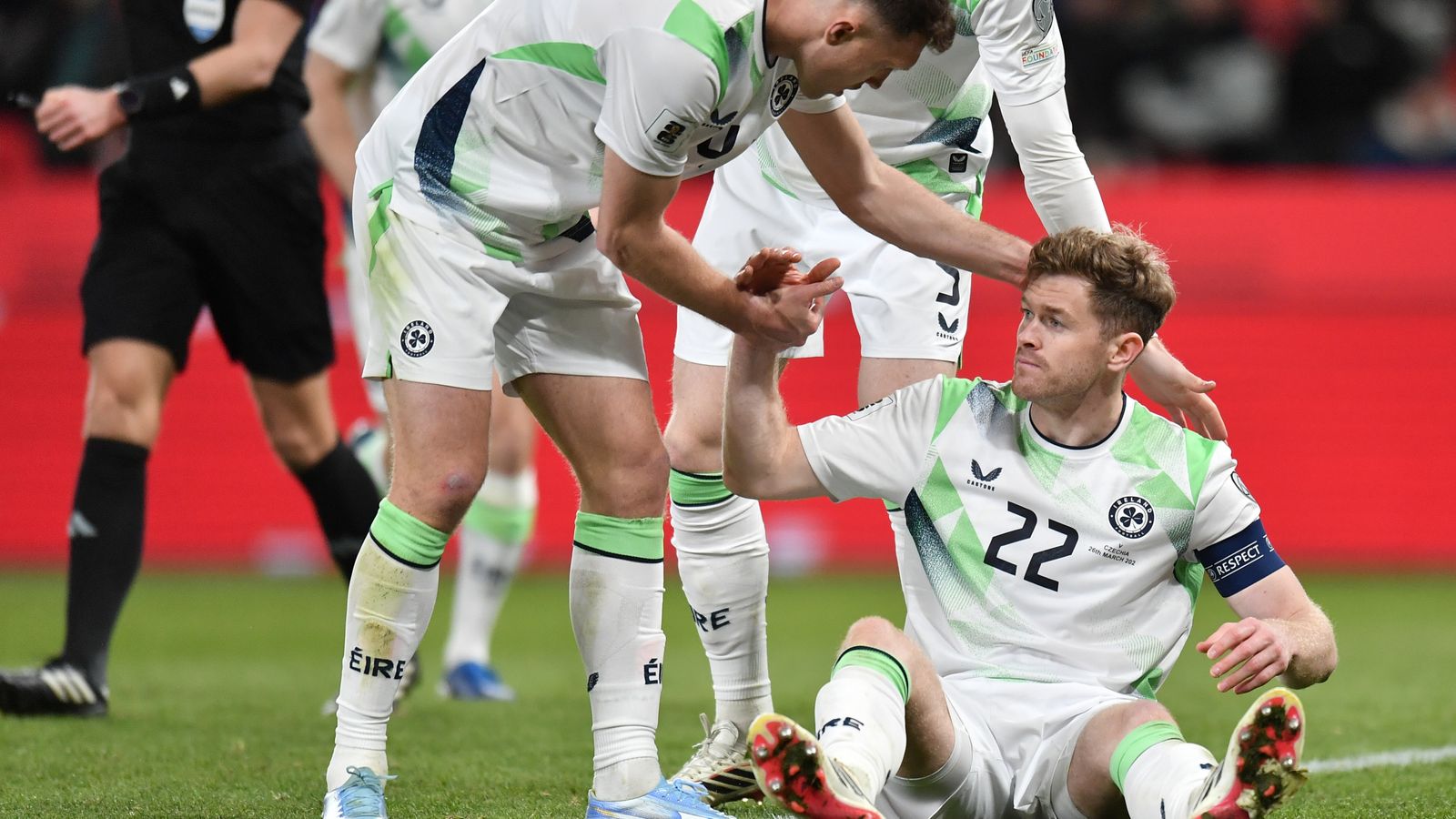
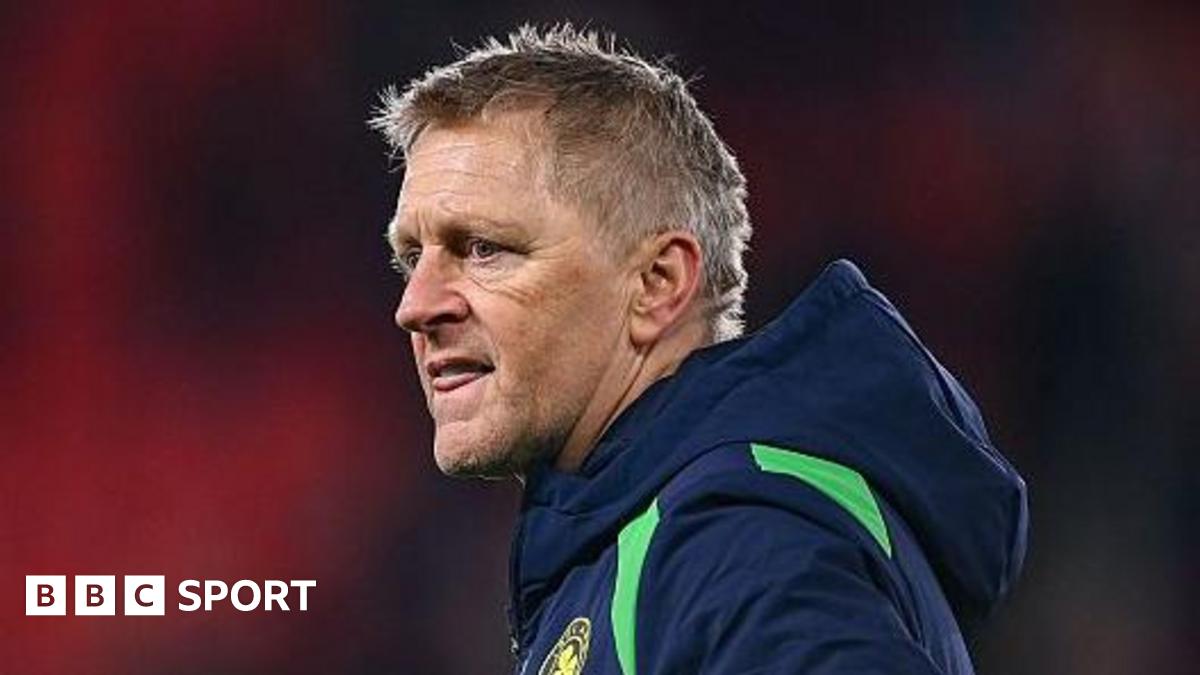
The final diagnosis is in, and it's the worst possible news for the Republic of Ireland. The team's hopes of reaching the 2026 FIFA World Cup are officially over. The injury was sustained in the cruelest of fashions: a penalty shootout defeat in a tense play-off in Prague. The immediate symptom was heartbreak, a feeling articulated perfectly by manager Heimir Hallgrimsson, who stated that "pain" was the overriding emotion following the loss. It's a familiar ache for Irish supporters, but that makes the wound no less fresh.
This wasn't a clean break or a simple strain; it was a compound fracture of a national dream. The team is now on the outside looking in at the expanded 48-team tournament set to take place across North America. For a squad and a nation that had invested so much in this campaign, the exit is a devastating blow that will have ramifications long after the physical and emotional soreness of the Prague decider has faded.
The Post-Mortem: A Campaign on Life Support
From a medical perspective, this outcome was not sudden. The patient—Ireland's qualifying campaign—had been showing worrying signs for months. While the final moment was a dramatic collapse via penalties, the underlying condition was a chronic inability to secure vital points earlier in the group stage. The team's attack often lacked the clinical edge required at this level, and an over-reliance on a handful of key players left them vulnerable. When the pressure reached its peak in Prague, the system finally failed.
The tactical implications are now unavoidable. Hallgrimsson and the FAI must conduct a full review. How does Ireland evolve its style of play? The defensive solidity that has been a hallmark of past Irish teams needs to be paired with a more dynamic and potent attacking threat. The current system, while organized, proved insufficient. The reliance on soaking up pressure and hoping for a moment of magic on the counter or from a set-piece is a low-percentage strategy that ultimately backfired. This painful exit must be a catalyst for modernization, not a reason to retreat further into a defensive shell.
Anatomy of a Failed Qualification
The immediate impact is, of course, missing the tournament itself. This means a generation of Irish players will miss out on the career-defining opportunity to play on football's biggest stage. It also has significant financial implications for the Football Association of Ireland (FAI), which loses out on the substantial prize money and commercial opportunities that come with World Cup participation. The damage is multi-faceted, impacting everything from grassroots funding to the nation's UEFA coefficient.
In the short-term, the team's morale is the primary concern. How does Hallgrimsson lift a squad that has been so comprehensively floored? The upcoming UEFA Nations League fixtures and the subsequent Euro 2028 qualifying campaign now take on immense importance. They are no longer just matches; they are the first steps in a long and arduous rehabilitation process. The manager's job will be as much about psychology as it is about tactics in the months ahead. He must identify which players have the mental fortitude to recover from this setback and which may be permanently scarred by it.
Prognosis: A Long Road to Recovery
The prognosis for a return to the World Cup stage is, by definition, long-term. The earliest the Republic of Ireland can hope to feature again is the 2030 tournament. That four-year gap can feel like an eternity in international football. Players will age out, new talents will hopefully emerge, and the entire squad could look vastly different by the time the next qualification cycle begins.
This long recovery period is not without its risks. Without the spotlight of a major tournament, public interest can wane, and the sense of national unity that a World Cup journey inspires can dissipate. The critical observation is that the FAI has been in this position before and has struggled to build momentum between campaigns. There is a real danger of stagnation. The 'pain' Hallgrimsson spoke of cannot simply be a passing emotion; it must be channeled into a coherent, long-term strategy for player development and tactical identity. Failure to do so would be a form of managerial malpractice.
Historical Scars: A Pattern of Pain
This latest heartbreak is not an isolated incident but rather another chapter in Ireland's long and often painful history with major tournament qualification. From the controversial Thierry Henry handball that denied them a place at the 2010 World Cup to other near-misses in play-off situations, the narrative is painfully familiar. Each failure adds another layer of scar tissue for the players and the fanbase.
Understanding this history is key to understanding the depth of the current pain. It's a cumulative trauma. While teams like Germany or Brazil treat qualification as a formality, for Ireland it is a monumental struggle, making the fall at the final hurdle all the more agonizing. The challenge for Hallgrimsson and his staff is to break this cycle. They must build a team that is not just capable of competing, but one that possesses the resilience and self-belief to overcome the psychological weight of past failures. Until they do, the nation may find itself trapped in this recurring nightmare of what might have been.
Read Next
- Irish fans are going through it after the Prague penalty disaster
- Ireland's World Cup dream dies in the most Irish way possible
- The Republic of Ireland are officially allergic to scoring goals
- Wales just threw away a golden ticket to the World Cup and it's time to talk
- 🏆 World Cup 2026 — Full Coverage Hub