The Great Zenica Collapse
If you woke up this morning feeling like you’ve been repeatedly hit in the gut by a prime Mike Tyson, you’re probably a Wales fan. We all knew the trip to Bosnia-Herzegovina for a World Cup play-off semi-final was going to be a nightmare, but nobody expected a tactical meltdown of this magnitude. It was the kind of performance that makes you want to throw your remote through the window and move to a country that doesn't know what a football is.
The 48-team expansion for the 2026 World Cup was supposed to be the safety net for teams like ours. It was basically a 'participation trophy' for any mid-tier European nation that could string three passes together. Instead, we’re sitting here on March 27, watching the flight schedules to North America while knowing our boys will be watching the tournament from a beach in Ibiza. It’s not just a loss; it’s a failure of imagination and discipline that will haunt the FAW for a decade.
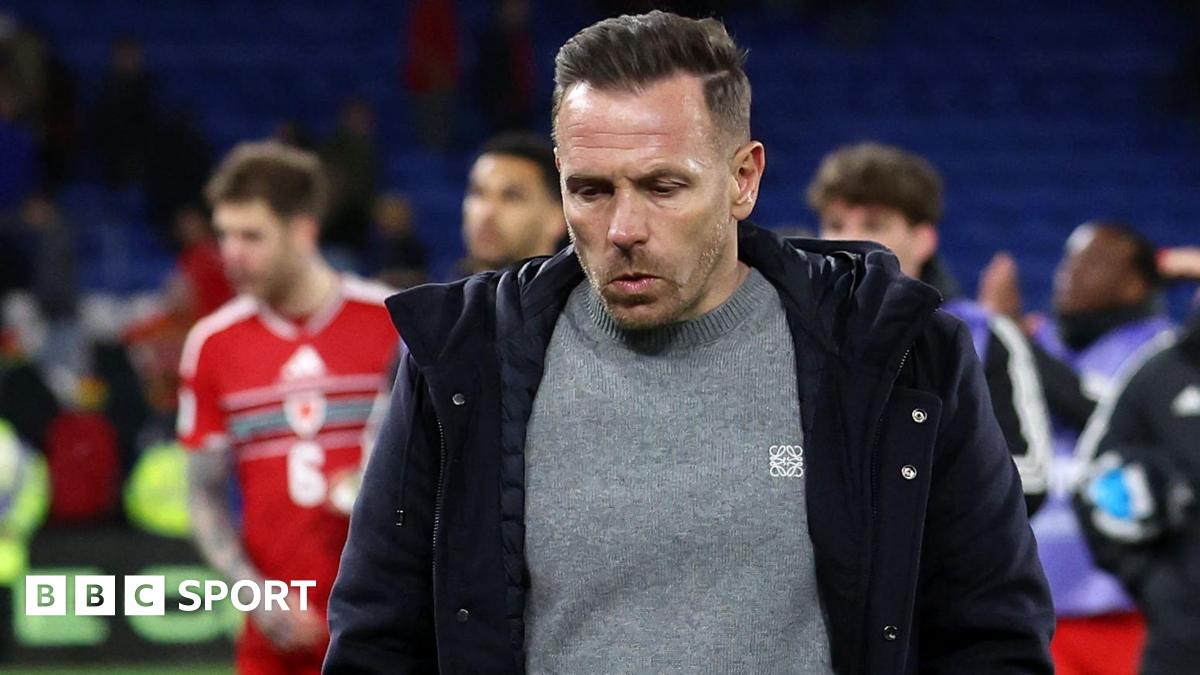
As reported by the BBC, Craig Bellamy spent his post-match post-mortem ruing the chaos that defined the night. Chaos is a polite word for what actually happened on that pitch. It was a defensive disasterclass that looked more like a Benny Hill sketch than a high-stakes international fixture.
The High-Wire Act That Snapped
Bellamy has spent his entire tenure trying to turn Wales into a high-pressing, possession-heavy machine that mirrors the elite clubs. It’s a noble goal, but trying to play like 2011 Barcelona when you’re starting a backline that occasionally forgets how to track a runner is pure hubris. In Zenica, that arrogance was exposed in the most brutal fashion imaginable. The tactical setup was a mess from the opening whistle.
We saw a defensive line so high it was practically sitting in the Bosnian dugout, leaving massive gaps for Ermedin Demirovic to exploit. When the first goal went in during the 14th minute, the panic was instant. There was no leadership, no calming influence, and certainly no Plan B. Bellamy’s refusal to drop the line or thicken the midfield was a stubborn streak that cost us the game before halftime.
The transition play was supposed to be our weapon, but it became a noose around our necks. Every time Neco Williams pushed forward, the space behind him looked like a four-lane highway for the Bosnian counter-attack. It was predictable, it was messy, and for anyone who has watched Wales under pressure before, it was utterly soul-crushing. We played right into their hands by trying to be too clever for our own good.
The Midfield Black Hole
Jordan James and Ethan Ampadu were asked to cover the entire pitch while the wing-backs played as strikers, and the result was a complete lack of control. Bosnia didn't even have to work that hard to find space; we gave it to them like a late Christmas present. The second goal was a comedy of errors involving three missed tackles and a keeper who was left completely isolated. It’s hard to win games when your midfield is a ghost town.
The lack of a true holding presence was the biggest mistake of the night. Bellamy wants fluid football, but fluidity without a solid foundation is just a leak. We were leaking goals, leaking confidence, and leaking any hope of making it to the finals in June. By the time Harry Wilson tried to spark a comeback, the damage was already done and the Bosnian crowd was making enough noise to wake the dead.
The Critical Reality Check
Here’s the part that people don't want to hear: Craig Bellamy might not be the tactical genius he thinks he is. There is a fine line between 'bold' and 'reckless,' and last night he crossed it with both feet. You cannot go into a hostile environment in a do-or-die play-off and expect to dominate possession with 80% of the ball while leaving your center-backs on an island. It’s tactical suicide.
Bellamy insists he sees a bright future for this squad, but that feels like a man trying to sell you a burnt-out house by pointing at the nice flowers in the garden. The 'chaos' he mentioned wasn't an accident; it was the direct result of his instructions. If the players aren't capable of executing a complex, high-intensity system under pressure, the fault lies with the man who told them to do it. You have to coach the players you have, not the players you wish you had.
We missed the experience of the old guard in those closing minutes. There was nobody to grab the game by the scruff of the neck and demand a bit of organization. Instead, we saw young players looking at the bench for answers that weren't coming. The substitution of Brennan Johnson when we needed a goal was a bizarre move that left everyone in the press box scratching their heads. It was a move that signaled a lack of belief in the very system Bellamy has spent months building.
What Happens Now?
The 2026 World Cup was meant to be the start of a new era, but instead, it’s a massive 'what if' that will hang over this generation. We have the talent, but we lack the pragmatism. Bosnia-Herzegovina showed us exactly what international football is about: grit, opportunistic finishing, and knowing when to suffer. Wales tried to play a beautiful game and ended up looking like an expensive car with no brakes.
Bellamy is lucky the FAW has a long-term contract with him, because in any other era, this would be the end of the road. Missing out on a expanded World Cup is a massive financial blow to the association and a psychological blow to the fans who traveled across Europe to see this. The 3-2 scoreline actually flattered us; it could have been five or six if Bosnia hadn't taken their foot off the gas in the final ten minutes.
"We knew it would be tough, but the way we lost control of the game is unacceptable for a group with this much potential."
That quote from a senior staff member in the tunnel says it all. There is a sense of profound disappointment that goes beyond just the result. It’s the feeling that we had a golden ticket in our hands and we dropped it in the mud. The 'bright future' Bellamy talks about is currently hidden behind a very dark cloud of missed opportunities and tactical blunders.
The Summer of Discontent
While the rest of the world is enjoying the sun in Los Angeles and Mexico City this June, Welsh football will be undergoing a painful period of self-reflection. We need to decide if the 'Bellamy-ball' experiment is worth the risk of missing out on major tournaments. It’s fun to watch when it works against lower-tier sides in the Nations League, but when the pressure is on, it feels fragile and easily broken.
The players will return to their clubs, but the fans are the ones who suffer. We’ve been spoiled over the last decade with Euros and World Cup appearances, and this feels like a massive step backward. The road to the next tournament is long, and right now, it feels like we’re starting from zero. We have to find a way to balance Bellamy's vision with the cold, hard reality of what it takes to win at this level.
No more excuses about 'chaos' or 'learning curves.' In international football, you either qualify or you don't. We didn't. And as we sit here in late March, that's a pill that’s going to take a very long time to swallow. The dream of 2026 is dead, and the post-mortem has only just begun.
Read Next
- Craig Bellamy is entirely right about Wales and Bosnia will pay the price
- Ireland's World Cup dream dies in the most Irish way possible
- Top 10: The Highs and Heartbreak of Wales' World Cup Play-off Drama
- Graham Potter and Craig Bellamy face a brutal World Cup playoff reality
- 🏆 World Cup 2026 — Full Coverage Hub
- 🏴 Wales at the 2026 World Cup — Full Coverage Hub