The San Siro is a relic, not a stadium
Aleksander Ceferin just dropped a verbal powerbomb on Italian football, and frankly, he is spot on. If you’ve spent any time at the crumbling concrete monoliths hosting Serie A games, you know exactly what he means. It is embarrassing that a nation with this much history is essentially playing in architectural ruins.
The UEFA president didn't mince words about the state of affairs. He explicitly told Italian authorities that their stadiums are some of the worst in Europe. When the guy who controls the keys to the kingdom calls your house a dump, you don't argue—you get a contractor.
If Italy doesn't get moving on updates, they risk losing their co-hosting rights for Euro 2032 to Turkey. We aren't talking about replacing the grass or adding a few cup holders. We are talking about genuine, systemic overhauls that require real cash.
Bureaucracy is killing the game
The biggest hurdle in Italy isn't the lack of passion or the lack of talent. It is the red tape that makes the DMV look like a tech startup. Getting a permit to renovate or build in cities like Milan or Rome is an absolute grind that drains the life out of every project.
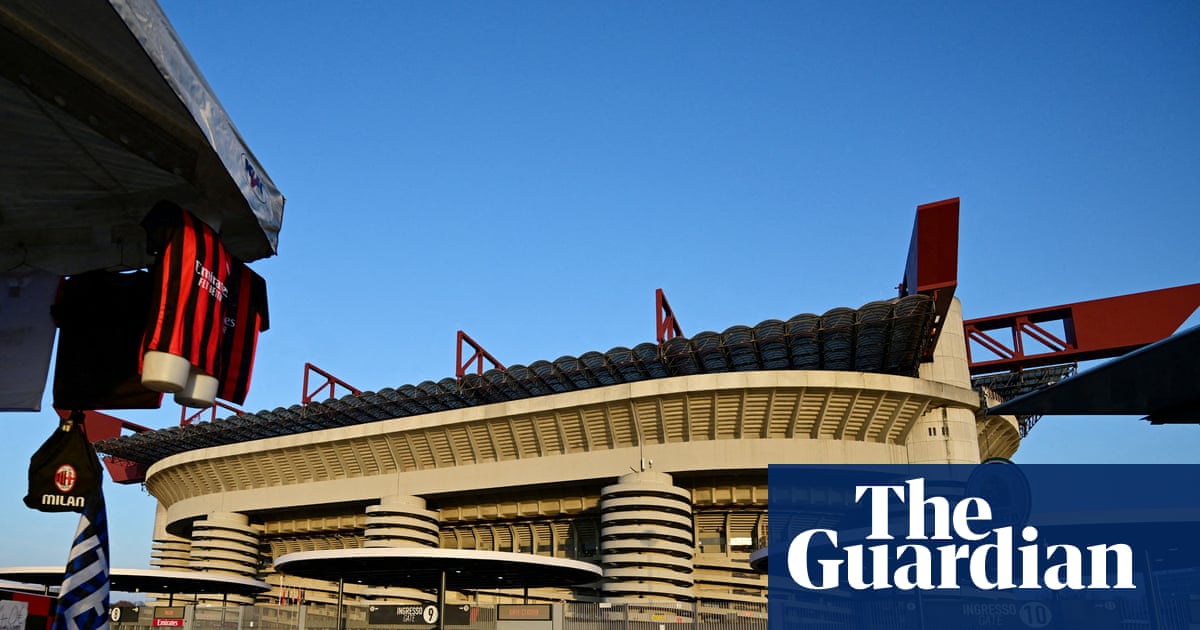
Look at the eternal saga of the San Siro. We have been reading about new stadium proposals for years. Yet, here we are, still staring at the same spiral ramps and fading paint. It is a legendary venue with the aesthetic appeal of a Soviet-era bus depot.
Italy is banking on the prestige of hosting major tournaments to spark development, but that plan is backwards. You don't get the tournament to fix the problem; you fix the stadiums to prove you deserve the tournament. Ceferin is clearly tired of waiting for the paperwork to clear.
The contrast to the rest of Europe is staggering
Compare the current Italian reality to the standard set by the Premier League or the Bundesliga. Fans in England are watching matches in state-of-the-art arenas with clear sightlines and working amenities. Meanwhile, a fan in Italy often needs a telescope to see the pitch through the gargantuan track-and-field perimeter that separates them from the action.
The cultural obsession with heritage is fine until it becomes an anchor. Keeping seats empty because a stadium is a "landmark" is a recipe for irrelevance. If Italy wants to stay relevant on the international stage, they have to rip off the bandage and modernize.
The deadline of 2032 sounds far away, but for major construction projects, it is essentially tomorrow. If the local councils and clubs don't stop bickering over zoning laws and financing, they are going to watch this tournament sail away. It would be a monumental failure of governance if one of football’s spiritual homes was rendered ineligible for a continent-wide party.
Ceferin might be playing the role of the bad cop, but he is doing the Italian football faithful a massive favor. He is telling them that unless they start bulldozing the outdated trash, the party is moving to Turkey. Watching Napoli or Inter Milan play in facilities that actually look like they belong in the 21st century shouldn't be too much to ask.
The total investment needed is north of 100 million Euros per project, and that is a conservative estimate. Clubs are often cash-strapped and reliant on state aid, which is exactly why this whole thing is a disaster. Italy has the history, the kits, and the icons, but they are stuck playing in the past. If the local politicians don't get their act together by the end of the year, the bid will wither on the vine.
Read Next
- Italy will lose the Euro 2032 bid unless they stop procrastinating
- The math behind England's ridiculous 11-team European dream
- Denver Summit are already changing the NWSL's financial calculus
- Chelsea fans are losing it over the latest FA Cup build-up
- 🇮🇹 Italy at the 2026 World Cup — Full Coverage Hub