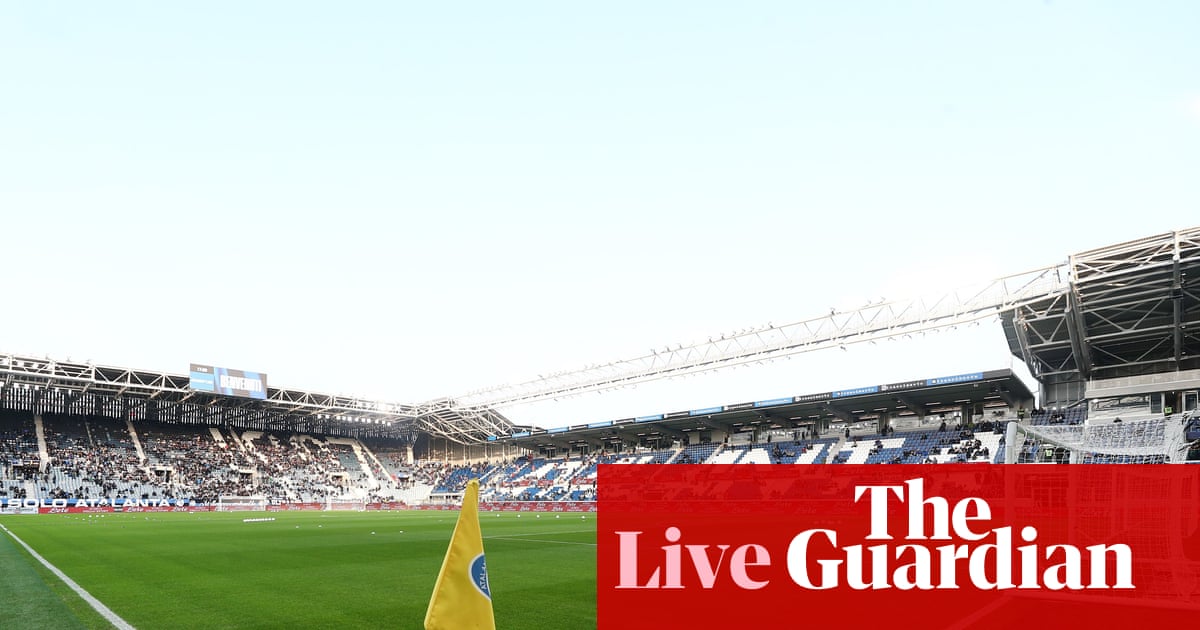
Ceferin isn't bluffing about Italian stadium decay
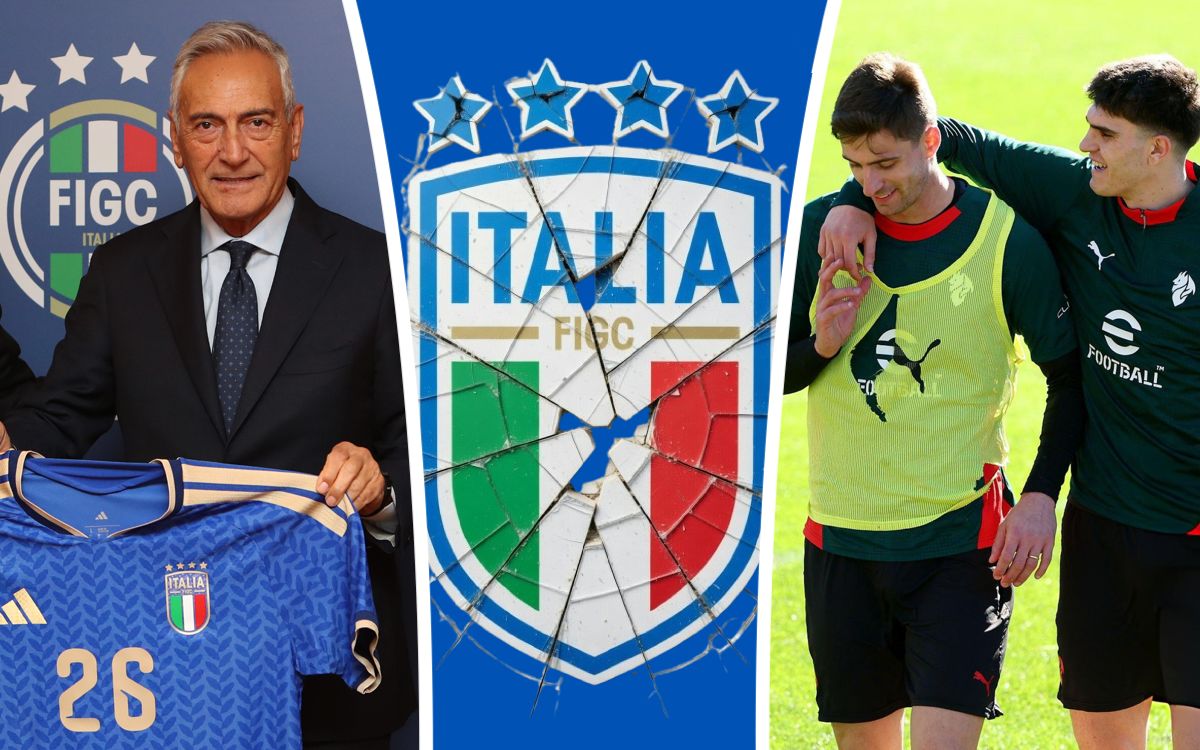
Aleksander Ceferin finally said the quiet part out loud this morning. He told Italian authorities that their hosting rights for Euro 2032 are hanging by a thread because their venues are effectively rotting from the inside out. When the head of UEFA explicitly calls a top-five European league's facilities some of the worst in the continent, you pay attention.
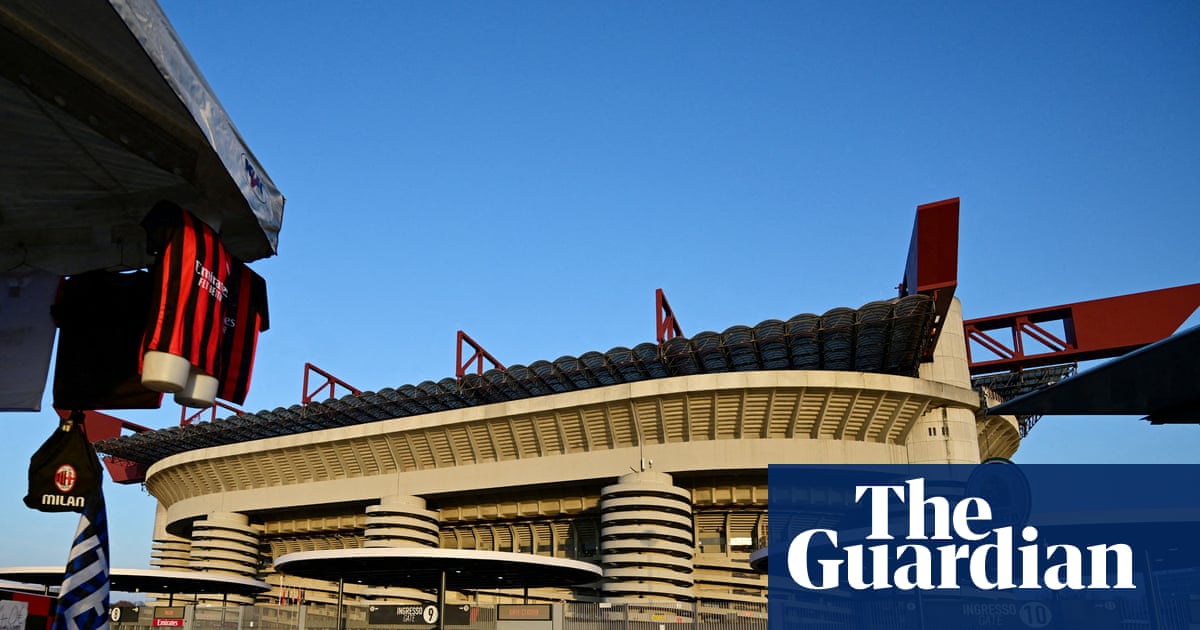
Italy has been coasting on the inertia of Italia 90 for three decades. While the Premier League and Bundesliga modernized their footprints via private finance and dedicated development, Serie A clubs remain trapped in bureaucratic purgatory. Municipal ownership prevents the necessary upgrades, leaving historic venues like the San Siro looking like relics in a world of high-definition global sports.
The math doesn't work for the current Italian model
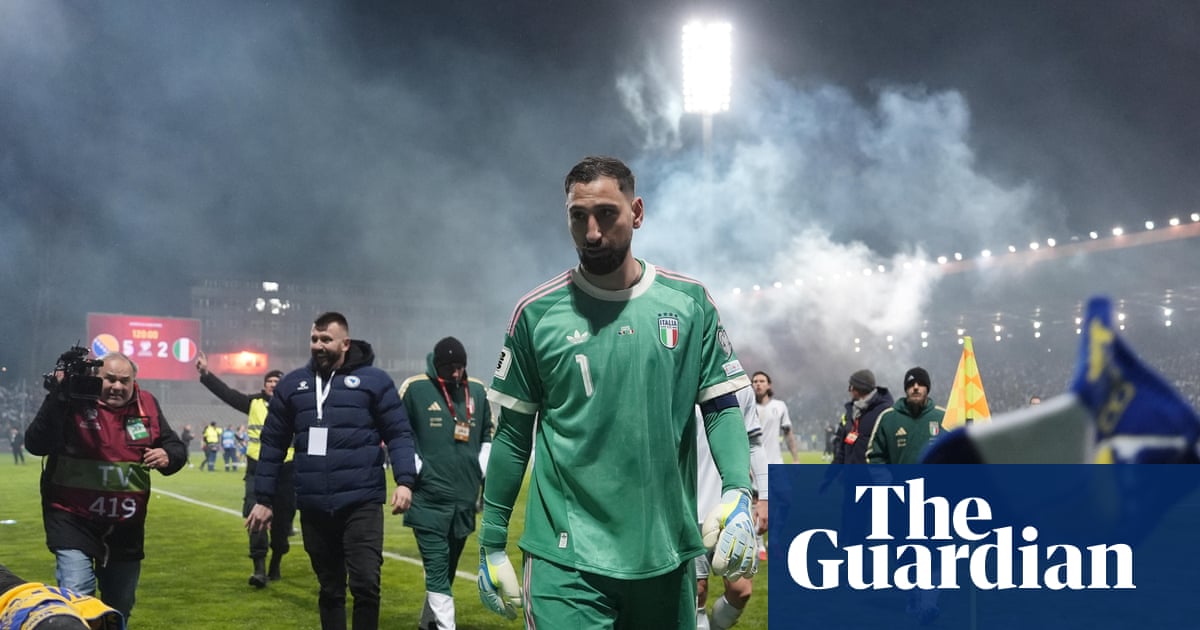
The core issue is that Italian clubs cannot monetize their matchdays to the level of their peers. Without ownership of the freehold, they cannot install high-end hospitality boxes or efficient connectivity that drives modern revenue. As reported by The Guardian, the warning from UEFA is a clear signal that the status quo is no longer acceptable. Six years out from a tournament is not a long time in civil engineering terms.
If Italy loses this bid, it will be the most significant embarrassment in recent Italian football history. Losing the Euro would be a catastrophic financial blow coming off the heels of already tight budget cycles across the league. You cannot expect a modern spectator,, especially one paying 150 pounds for a premium ticket, to sit in concrete bowls from the mid-twentieth century.
The path forward necessitates a policy pivot
Turksih authorities have been transparent about their readiness to build and renovate. If Italy continues to treat stadium policy as a local political football, the executive committee will hand the keys to Ankara. The irony is staggering: a founding nation of the game might be sidelined for failing to update their hardware while their neighbors demonstrate higher operational ambition.
My prediction is simple: the Italian government will fail to pass the streamline legislation required to bypass the local bureaucratic inertia by year-end. By 2027, UEFA will pivot toward a contingency plan where Turkey takes on a heavier hosting load. The lack of concrete progress on the San Siro alone is proof that the Italian project is fundamentally stalled.
We are watching a slow-motion car crash in slow formation. The fans deserve better, the players operate in atmospheres that diminish the product, and UEFA is tired of waiting. Do not be surprised when the announcement comes that Italy is being relegated to a secondary host status.