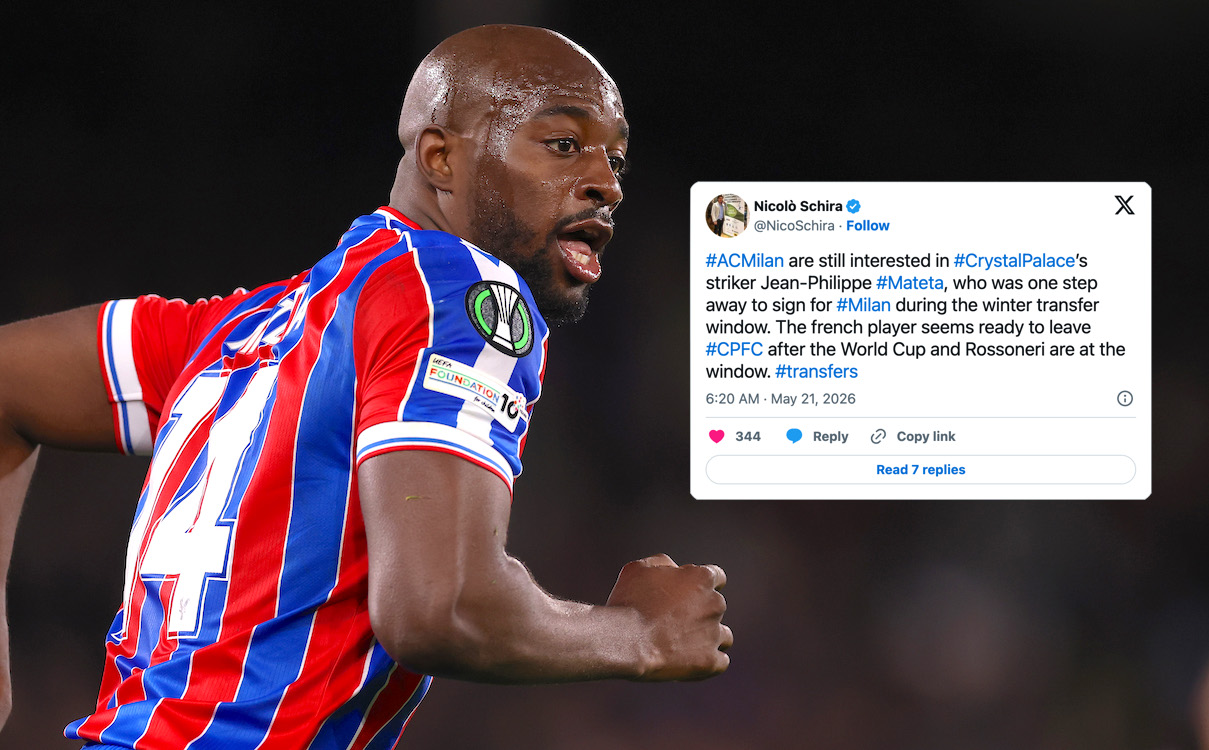
The Mateta transformation is finally here
If you have spent any time at Selhurst Park this season, you know the vibe is usually somewhere between a tense chess match and a desperate pub brawl. It is a place that demands grit, sweat, and the occasional moment of beautiful stupidity. Jean-Philippe Mateta has been the living embodiment of that energy, and Oliver Glasner is finally leaning into it.
Glasner’s public call for the fans to get behind the striker isn't just PR fluff. It’s a tactical acknowledgment that the biggest threat to this Crystal Palace squad isn't the opposition—it’s the internal lack of conviction that haunts the final third. When a striker like Mateta finds his rhythm, the whole structure of the attack shifts, moving away from safe sideways passes toward actual, terrifying forward motion.
The Glasner effect on the final third
Let’s talk about that specific kind of production. Mateta has spent years being the guy who looks dangerous for ten minutes before vanishing into the ether of a 0-0 draw. Under Glasner, his movement off the ball has become noticeably sharper, cutting through defensive lines rather than just standing around waiting for a cross that will likely hit the first defender anyway. It looks more direct, more purposeful, and far less like a Sunday League desperation heave.
The defensive discipline at Palace has improved, but the attack remains a riddle wrapped in a mystery inside a tracksuit-wearing enigmas brain. If the crowd doesn't give him that boost, we go back to the stale, sideways football that makes the Holmesdale Road end look like a waiting room at the dentist. Football is a momentum game, and if you treat your own target man like a liability, he will play like one.
Why the reception matters right now
We are sitting in April 2026, and the business end of the season usually exposes the fragile egos in a squad. Palace doesn't have the luxury of deep benches or the financial war chest of the league leaders, so they have to maximize every single asset they have on the pitch. Generating warmth for Mateta is essentially a cheap way to squeeze another 10 percent out of his performance level.
Look at how other clubs handle their focal points. When a crowd turns on an attacker, the confidence dries up faster than an ice cube in the Sahara. We have seen this disaster unfold at clubs like West Ham or even during the worst stretches at Old Trafford—once the booing starts, the player’s first touch turns into a brick, and the game is effectively over.
The statistical reality of the Palace attack
If you look at the raw data, Mateta’s return is heavily dependent on his confidence. When he gets into high-traffic areas, he is prone to over-thinking—a trait I have dubbed the "striker’s paralysis." By explicitly asking for a warm reception, Glasner is trying to bypass that over-thinking, hoping to unlock a more instinctual version of the player who can score with his back to the goal.
It’s not just about the goals; it’s about the space he creates for the wingers. If he is being aggressive, the center-backs have to respect him, which pulls the defensive line and creates gaps for the creative midfielders to exploit. Without that fear factor from the number nine, the opposing defense just sits in a low block, and the game turns into a monotonous slog. Bringing that energy to Selhurst creates an atmosphere where even a half-chance looks like a golden opportunity.
The looming shadow of the season finale
With the World Cup 2026 preparation starting to dominate the background noise of the footballing world, every player is fighting for a narrative. Mateta hitting a vein of form now allows him to write his own story before the international break truly kicks into gear. He isn't competing for a golden boot in a traditional race, but he is fighting for his professional relevancy in a squad that is perpetually looking for a new identity.
If the fans reward Glasner’s call with vocal support during the next home leg, we might actually see a different version of this team. If they don't, we are right back to square one, watching a disconnected group of players struggle to put the ball in the back of the net. There is no middle ground here. Either you back your man and hope for the spark, or you wait for the inevitable tactical shuffle that comes when a manager realizes his first experiment didn't work.
A cautionary tale for Selhurst
History isn't kind to managers who rely on the crowd to fix player form. Glasner is playing a dangerous game by outsourcing some of his management responsibility to the stands. If the faith isn't rewarded with an actual output of goals or at least a few 0-1 victories that end in chaos, the crowd will turn, and it will turn on the manager faster than it turned on the player. It is a high-risk, high-reward move that feels very much like a desperate gamble in the final stretch of the league table.
Yet, I find myself wanting to see it work. There is something inherently honest about a manager saying, "Look, this guy needs help, so stop acting like critics and start acting like a home support." It reminds me of the classic, grit-focused eras where the stadium wasn't just a venue, but an active participant in the match outcome. Whether it results in a beautiful, long-shot winner or just more frustration, at least it’s a strategy. It beats watching a team drift aimlessly toward safety without ever trying to define who they actually are on the pitch.