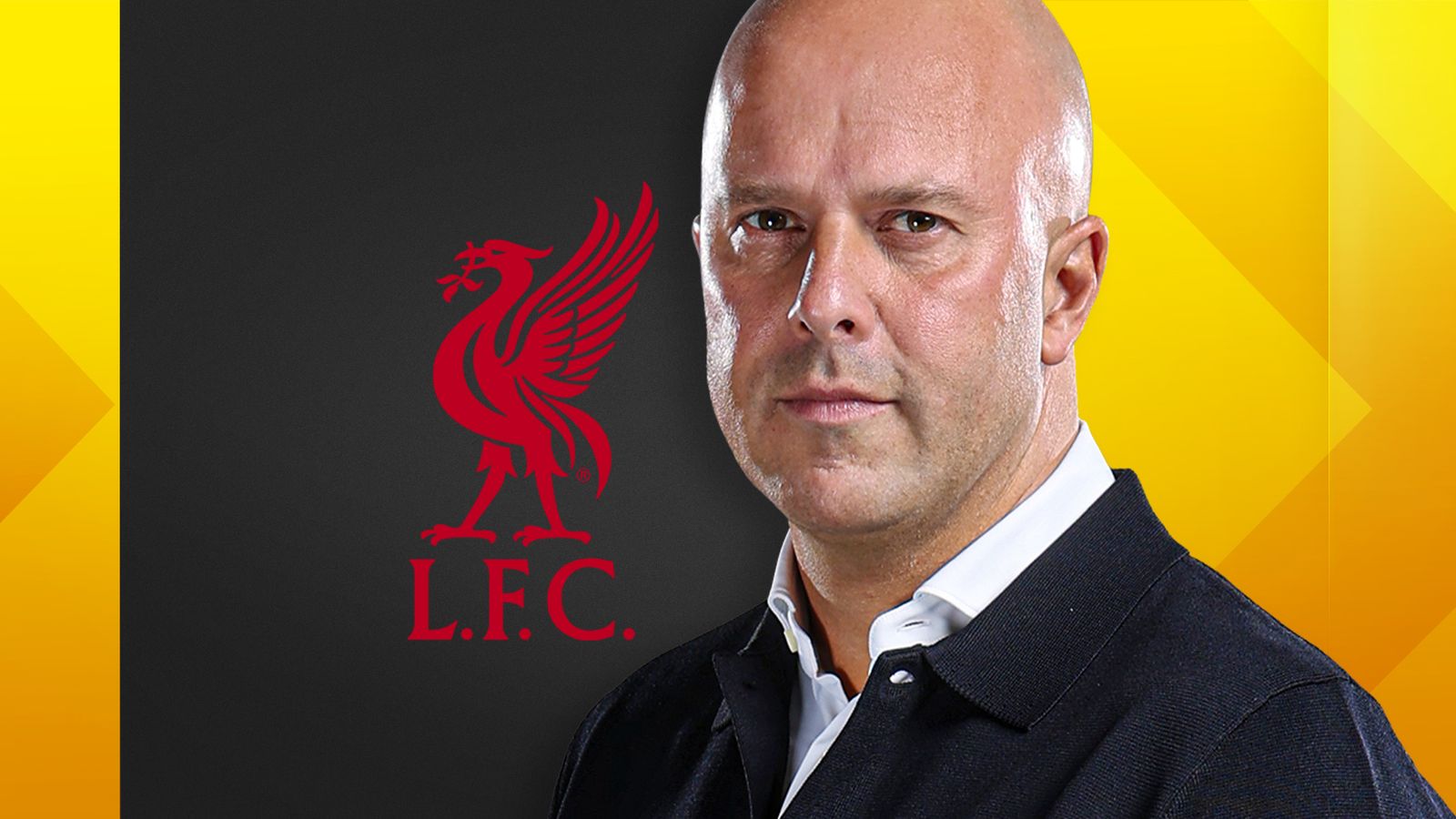
The transition period begins at Anfield
Mohamed Salah has confirmed his departure from Liverpool at the conclusion of the 2025/2026 campaign. This announcement triggers an immediate scramble within the football operations department to identify a long-term successor for one of the most productive forwards in club history.
Reports suggest the club is evaluating a 33 million pound Premier League talent to fill the void. The financial strategy here is telling. By targeting a current league player rather than a speculative overseas prospect, Liverpool aim to minimize the adaptation period during a critical transition cycle.
Why the timing matters for recruitment
The urgency stems from the compressed calendar heading into the final stages of the season. With Champions League quarter-finals commencing on April 14, 2026, the squad lacks the luxury of a slow integration process for new arrivals. Any movement in the transfer market now signals deep confidence within the scouting ranks.
Historically, replacing a club icon has rarely been a linear process for top-six sides. Much like the transition following Sadio Mane's exit, the tactical shift often requires a fundamental overhaul of the front three. The scouting team is tasked with finding a profile that mirrors Salah's inverted threat while providing better defensive tracking.
Strategic concerns and market reality
Allocating 33 million pounds for a replacement creates immediate expectations for performance. Premier League data indicates that mid-priced transfers often struggle with the weight of expectation at Anfield. If the recruitment team targets a player outside the established elite, the risk of a high-profile failure increases significantly.
Critics often point to the inconsistency in Liverpool's recent attacking rotations. By focusing on a single high-value target, the club limits its options if the injury list grows during the final push for the league title. A secondary plan is essential when dealing with high-intensity Premier League schedules.
Operational impact on the squad
The primary concern remains the drop-off in output compared to Salah's consistent record. The Egyptian provided a reliable offensive anchor that current backup options have yet to replicate. Liverpool's reliance on his individual brilliance has been a feature of their success for years.
As The Mirror reports, the pressure is mounting on decision-makers to secure this deal before the window fully opens. Failure to wrap up this business early could lead to an inflated price tag once other clubs enter the fray. Competition for wide attacking talent is set to hit a peak following the conclusion of the World Cup preparation phase.
Assessing the market alternatives
If the 33 million pound pursuit stalls, the contingency planning is limited. Recruitment heads must decide between a youth-focused approach or an experienced stop-gap solution. Neither option guarantees a seamless transition into the new season.
The club has generally preferred younger, high-ceiling assets. However, in a post-Salah era, they need immediate impact. The decision reflects a broader philosophical shift toward sustainable, data-backed transfers. This model necessitates patience, which is rare in top-tier football environments.
Tactical readiness for the endgame
Liverpool currently sit in a position where external noise could derail momentum. The focus remains on the upcoming European ties, but the rumor mill regarding Salah's replacement creates unnecessary distraction. Management must contain these leaks to ensure focus remains on the pitch.
With the current squad stretched by the intensity of the domestic and continental schedule, adding a new variable is a high-stakes move. Successful transition in the Premier League requires more than just raw stats; it requires cultural fit within a Jurgen Klopp–molded mentality. The next few weeks will prove whether the data supports the proposed transfer or if the team needs an alternative strategy.