The Debut Dilemma: Defoe's Mixed Start at Woking
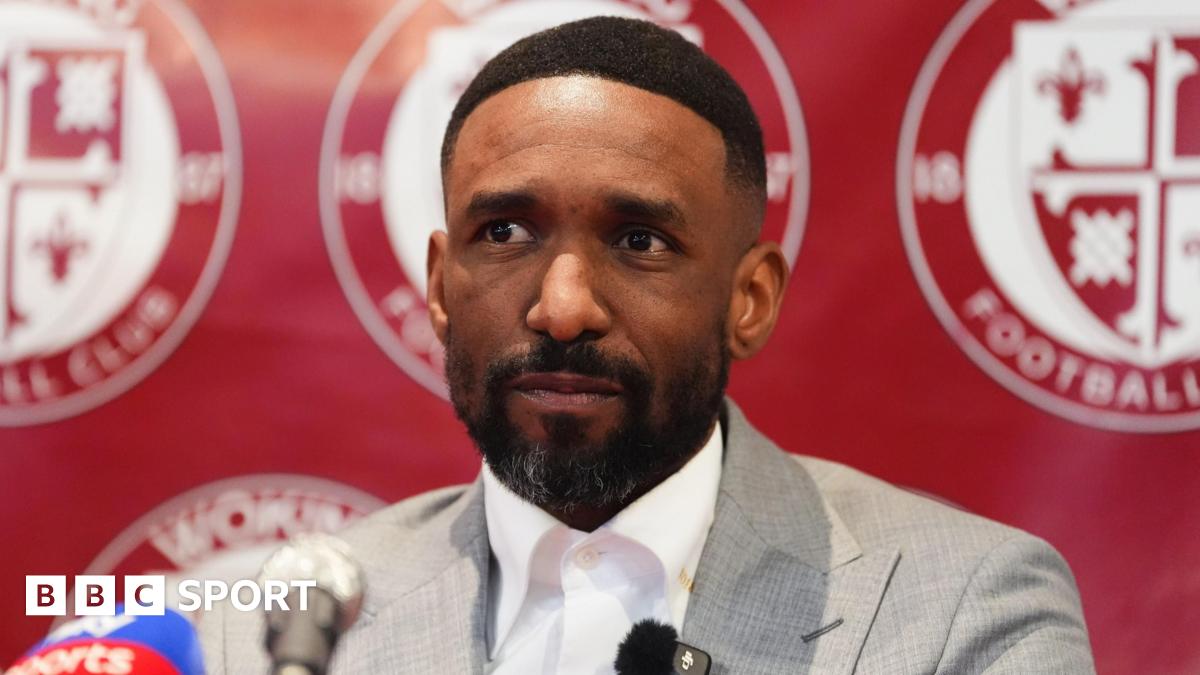
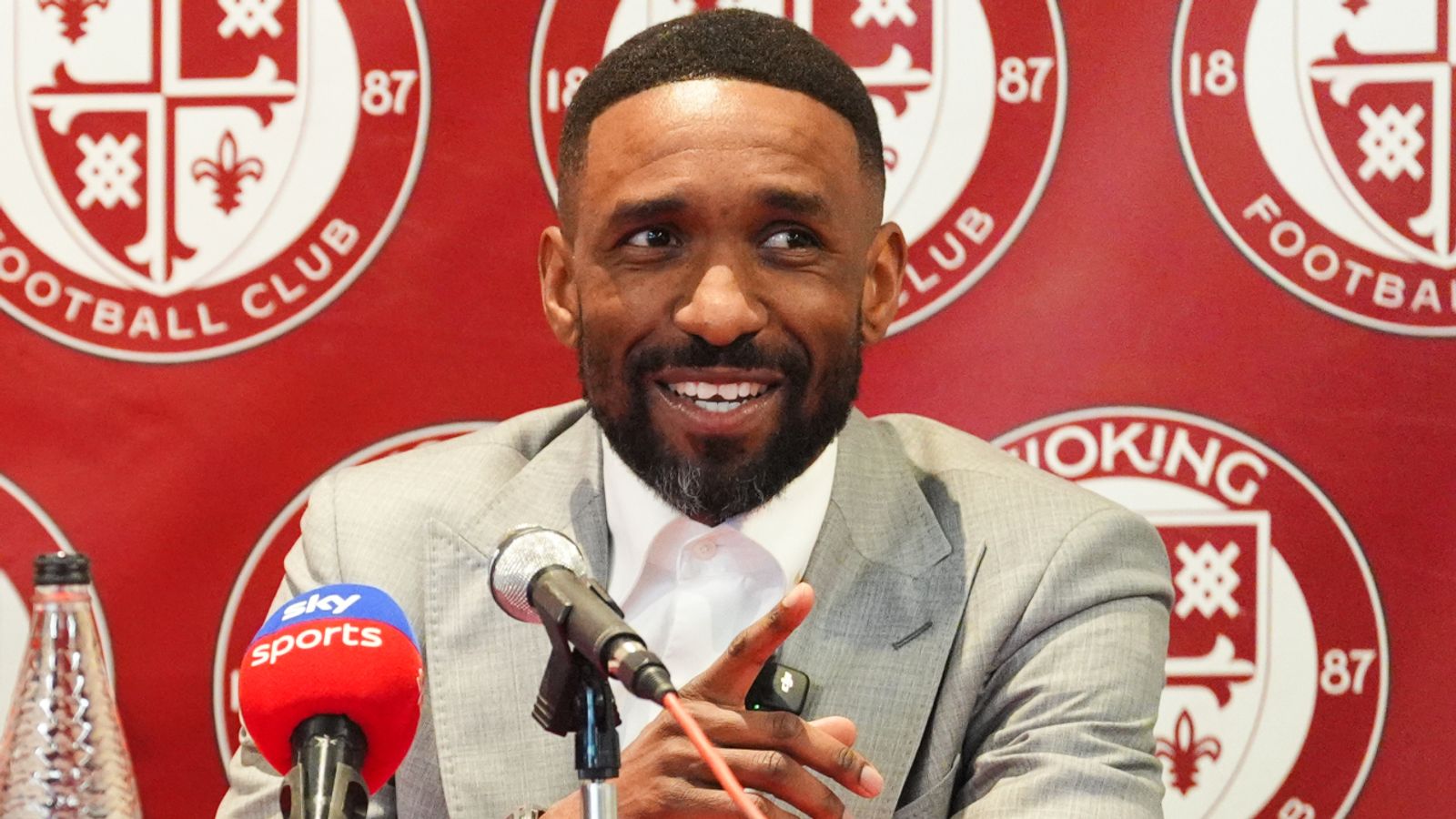
Jermain Defoe's highly anticipated managerial debut at Woking has delivered a starkly contrasting opening act, showcasing both exhilarating attacking prowess and frustrating creative drought within his first two games. The former England international, a Tottenham legend renowned for his prolific goalscoring, stepped into the National League hot seat with significant fanfare, promising an exciting new chapter for the Cardinals. Early signs suggest that while the attacking intent is clear, consistency remains an immediate challenge at this level.
Fans arriving for Defoe's first match against AFC Fylde were treated to an electrifying spectacle, a proper goal-fest that initially validated the widespread optimism surrounding his appointment. However, the subsequent outing just three days later against Dagenham & Redbridge offered a harsh dose of reality, ending in a goalless stalemate that left supporters yearning for the dynamism seen just prior. This immediate juxtaposition sets the tone for what promises to be a fascinating, albeit challenging, journey.
First Impression: Goals Galore Against Fylde
Early Promise and Attacking Flair
Defoe's reign began with a bang on Saturday, April 4, 2026, as Woking hosted AFC Fylde in a match that defied typical National League expectations for end-to-end action. The Cardinals exploded with attacking intent, putting five goals past their opponents in an 8-goal thriller that finished 5-3 to Woking. It was precisely the kind of high-octane, front-foot football many expected from a team now led by one of England's most natural and clinical finishers.
Harry Cardwell netted twice, supported by strikes from Ricky Korboa, Padraig Amond, and Joe Sbarra, painting a vivid picture of offensive freedom and clinical execution. The atmosphere around Kingfield was electric, with fans reveling in the immediate impact of their new manager's philosophy. This inaugural performance wasn't just a win; it was a powerful declaration of attacking ambition, setting an early, high benchmark for the club under Defoe's fresh leadership.
“That’s why we love football... a proper game.”
Defoe himself acknowledged the spectacle and raw emotion of the encounter, echoing the sentiment of every fan present. This initial triumph suggested a Woking side unafraid to commit numbers forward, eager to entertain, and ready to embrace a more direct, incisive style. The tactical blueprint seemed refreshingly simple: outscore the opposition through sheer force of will and individual brilliance. The victory provided an immediate shot of adrenaline for a club looking to revitalize its season.
The Reality Check: Dagenham's Defensive Wall
Defensive Woes and Tactical Headaches
Just three days later, on Tuesday, April 7, 2026, the mood around Kingfield was markedly different. Woking's second fixture under Defoe, a home tie against Dagenham & Redbridge, proved to be the polar opposite of their thrilling debut. The match concluded in a frustrating 0-0 draw, described by many as a "snooze-fest" that offered little in the way of attacking excitement or clear-cut chances. This result brought an abrupt halt to the euphoria of the weekend, underlining the fickle nature of lower-league football.
Dagenham proved to be a far tougher nut to crack defensively, stifling Woking's creative efforts and exposing an immediate tactical challenge for Defoe. The free-flowing football from the Fylde game was conspicuously absent, replaced by a disjointed offensive effort that struggled to penetrate a well-organized and resolute backline. This match immediately highlighted the need for a robust plan B and greater tactical depth when the primary attacking strategy is neutralized by disciplined opponents.
“Not our best performance by any means... we needed to be a little bit better in the final third.”
Defoe did not shy away from the candid assessment of his team's performance, openly admitting their shortcomings. His observation that Woking "found it tough to break down" their opponents underscores the tactical adjustments required at this level. The National League often demands a blend of attacking flair and gritty pragmatism, and the rapid shift from goal-fest to stalemate illustrates the fine margins and varied challenges inherent in English non-league football. For a new manager, particularly one known for his offensive prowess, this provides invaluable early learning and a clear agenda.
Tactical Nuances and the Road Ahead
Defoe's Learning Curve and Woking's Ambitions
The immediate takeaway from Defoe’s first week is clear: Woking are very much a work in progress, oscillating between moments of sheer brilliance and periods of frustrating stagnation. While the attacking potential against Fylde was undeniable, the subsequent struggle to break down Dagenham highlights an imbalance that must be addressed. Creating a side that can both devastate on the break and patiently dismantle a compact defense will be Defoe's primary strategic objective in the coming weeks and months.
His comments about needing to be "a little bit better in the final third" after the Dagenham game reveal an astute awareness of the precision required at this level. It’s not simply about getting into dangerous positions, but executing the final pass, cross, or shot with conviction. For a striker of his caliber, coaching that clinical edge should theoretically be a natural fit, yet translating individual brilliance into collective, consistent execution is a different beast entirely, requiring rigorous training ground work and strong communication.
This early mixed bag serves as a compelling microcosm of the managerial journey itself. Defoe, making his first foray into senior management, is navigating the complexities of team dynamics, tactical adjustments, and the unforgiving nature of competitive football. The honeymoon period, if there ever truly was one, is already over; the real, hard work of establishing a consistent identity and winning culture has only just begun. The pressure to deliver sustained performance will only intensify.
Woking currently sits mid-table, a position that offers both stability and a platform for improvement, rather than immediate relegation worries. The ambition, undoubtedly, will be to climb higher and challenge for promotion, but these initial results suggest the path will be anything but straightforward, demanding resilience and tactical evolution. Defoe's ability to evolve his coaching philosophy and motivate his squad through both triumph and tribulation will ultimately define his success at Kingfield, as he confronts the unpredictable realities of lower-league management.