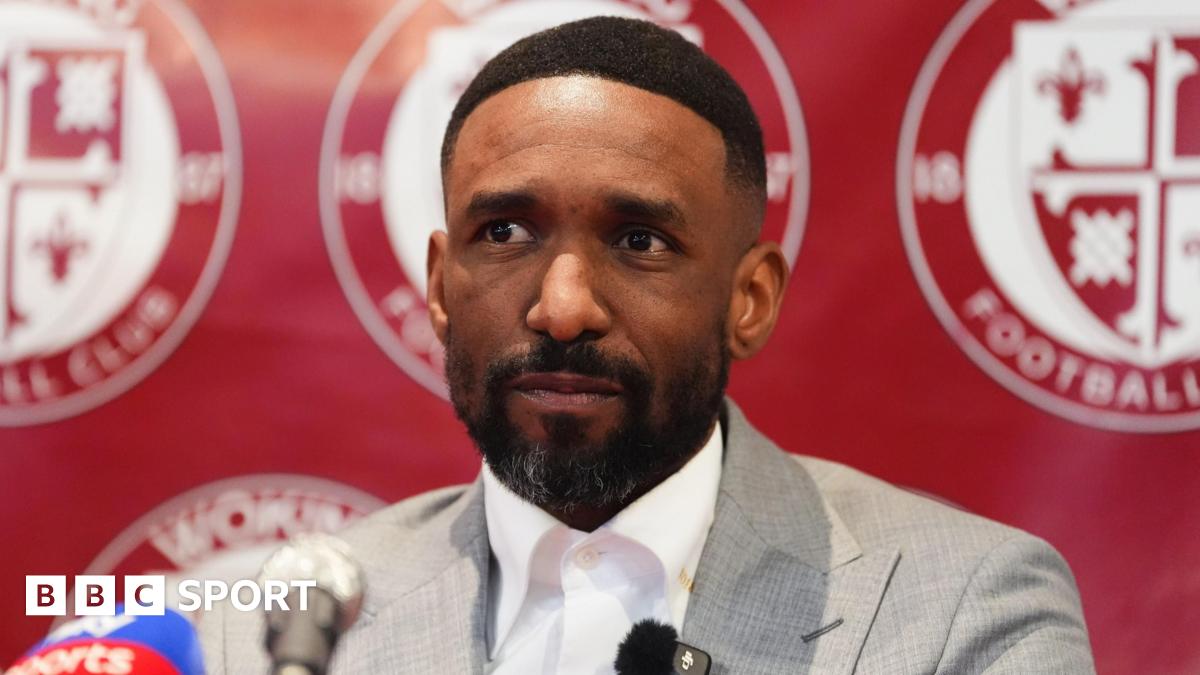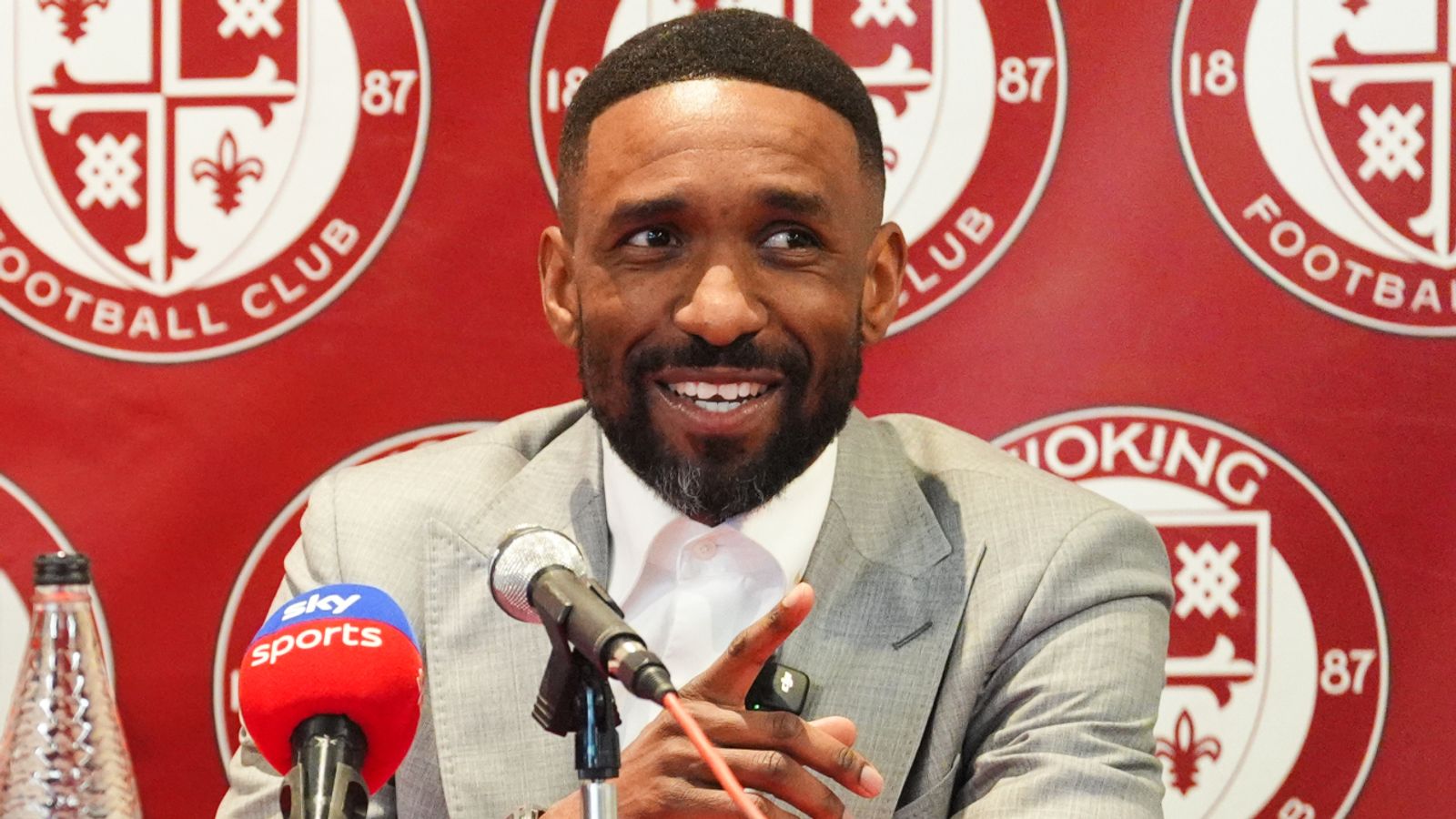
The reality of the National League
Jermain Defoe has taken the reins at Woking, stepping into a managerial role that many deem high-risk. While the former Tottenham striker remains optimistic about his prospects, citing encouragement from Harry Redknapp, the squad's physical state presents an immediate hurdle. Managing at this level requires durability that the current roster is struggling to demonstrate.
Injury setbacks early in the tenure
Defoe arrives at a time when the club’s injury manifest is stretched thin. Recent training sessions have highlighted muscle fatigue among key midfielders, a direct result of a compacted fixture list in the lower tiers. The transition from coaching to the touchline for Defoe means inheriting players who have pushed through minor strains since February, creating a backlog of fitness issues.
Reports indicate that three first-team regulars are currently restricted to light aerobic work. Without a full-strength side, Defoe’s tactical transition risks being stalled. A manager’s philosophy is moot if the engine room is held together by strapping tape and hope.
Historical context and tactical risk
The jump from professional player to manager in the National League is notoriously difficult. Defoe’s pedigree provides a certain profile, but history is littered with former strikers attempting to implement high-pressing systems with squads lacking the required fitness baselines. This situation mirrors several failed experiments from the early 2020s where technical adjustments were abandoned due to repeated soft-tissue injuries.
As Sky Sports notes, the gamble Defoe is taking relies heavily on personnel availability. If he cannot get his core group back on the pitch within the next three weeks, his initial blueprint will be effectively shelved. The current lack of depth is a glaring omission in the club's strategy for the final stretch of the season.
Strategic implications for the closing weeks
The upcoming schedule will test the team's resilience. With the squad already showing signs of wear, the risk of recurrence among returning players is high. Defoe must decide whether to rotate aggressively—potentially dropping points—or push limited bodies toward burnout.
For a club hovering where margins are thin, every missed training session is significant. Defoe’s reliance on Redknapp’s wisdom suggests he is looking for shortcuts, but medical reality offers few. The 14-day window before the next crucial set of fixtures is the true period to watch. If the conditioning staff cannot stabilize the group, the Woking job will prove to be a much steeper climb than Defoe likely anticipated during his introductory press conference.
The defensive stability is the primary concern for the technical staff. If players are missing matches due to preventable fatigue, the blame will land squarely on the transition period management. Defoe is in a race against his own medical room to prove he can do more than just attract headlines. The next 21 days will define whether he is a viable manager or simply a high-profile name in over his head.