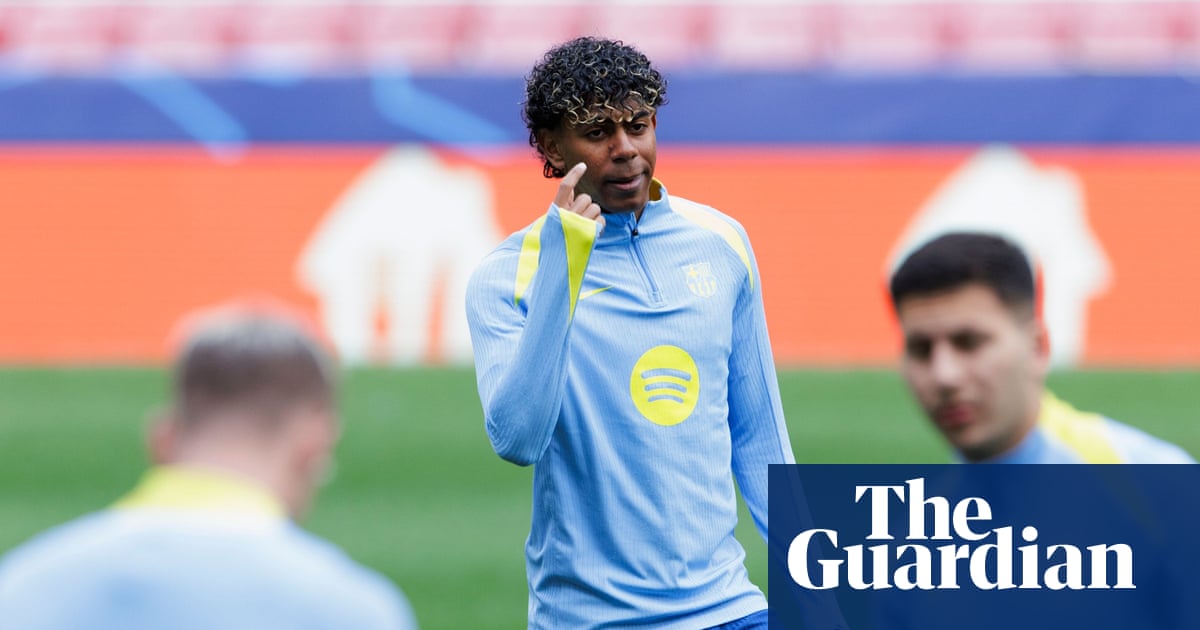
Joan Laporta’s re-election victory is a massive gamble on Barcelona's future
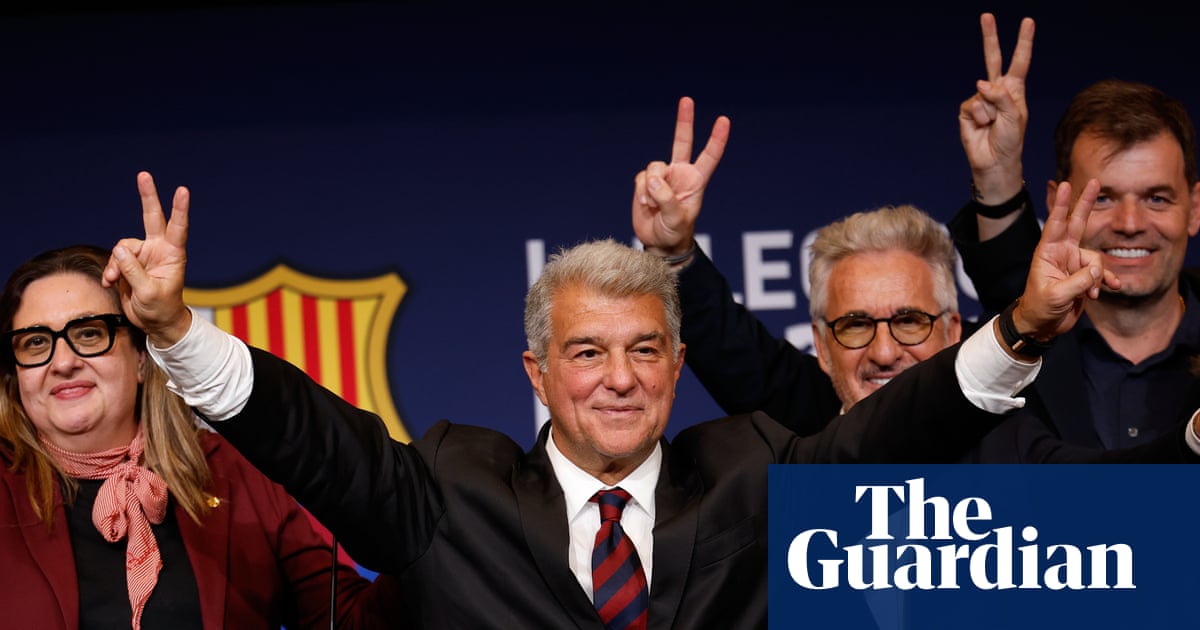
The return of the cigar-smoking king
Joan Laporta has secured another term as Barcelona president, and the scene at his election night celebration felt more like a victory lap for a rockstar than a corporate board meeting. While the club faces a financial reality that would make most accountants shudder, the membership has opted for the familiar face of the man who presided over the golden era of the mid-2000s. Walking from the pitch to the polling station with the current squad, Laporta leaned heavily into the nostalgia that has defined his campaign.
As The Guardian reported, the endorsement from the widow of Johan Cruyff provided the moral seal of approval that Laporta craved. It was a calculated move, positioning him as the rightful heir to the club's philosophical identity. For the socios, the choice was between the cold, hard math of austerity or the charismatic, high-stakes maneuvering that Laporta promises.
The weight of the debt
Let’s be clear: this victory is not a magic wand for the club's balance sheet. Barcelona remains in a precarious position, and the enthusiasm surrounding the election result masks some glaring structural weaknesses. The club has spent years kicking the can down the road, relying on asset sales and short-term injections to keep the lights on at Camp Nou.
Laporta’s strategy has always been to bet on the brand. He operates on the belief that if you keep the marquee names on the roster, the revenue will eventually follow. It is a high-wire act that leaves very little room for error. If the team fails to secure deep runs in European competitions, the financial house of cards could collapse faster than the board can draft a new press release.
Tactical loyalty and political savvy
The decision to walk with the players to the polling station was a masterclass in optics. By aligning himself so publicly with the current squad, Laporta effectively neutralized any opposition that might have tried to blame him for the recent inconsistencies on the pitch. It created a narrative of unity, suggesting that the president and the players are fighting the same battle against the critics.
However, this proximity to the dressing room comes with its own set of dangers. When a president becomes this integrated with the playing staff, the separation of powers disappears. If a manager needs to be replaced or a high-earning veteran needs to be moved on for the sake of the salary cap, Laporta will be the one holding the knife. That is a difficult position to maintain when you have spent the last month singing songs with those same individuals.
The missing accountability
One major flaw in the current administration is the lack of a clear long-term roadmap for the youth academy. While La Masia is often cited as the club's crown jewel, the integration of academy talent into the first team has been sporadic at best. Relying on outside transfers to solve internal problems is an expensive habit that the club can no longer afford.
The fans want success, and they want it now, but the club needs a period of genuine consolidation. Laporta has promised a lot, but he has delivered very little in terms of concrete fiscal reform. The 58% of the vote he secured shows a clear mandate, yet the remaining portion of the electorate signals a deep-seated anxiety about the direction of the institution.
What happens when the music stops?
The celebration in the nightclub was a fun visual, but it does not fix the wage bill. Barcelona is currently operating on €1.2 billion in debt, a figure that is frankly staggering for a sports organization. Every decision Laporta makes from here on out will be measured against this mountain of liabilities.
He has the charisma to keep the sponsors interested and the players motivated. But charisma does not pay off interest rates or satisfy the demands of European financial fair play regulators. The next three years will be defined by whether Laporta can actually deliver on his promises or if he is simply delaying the inevitable decline of a giant that has forgotten how to live within its means.
Ultimately, this election represents a doubling down on a specific style of governance. It is loud, it is proud, and it is incredibly risky. Whether it leads back to the top of the podium or into further financial turmoil is the question that will define his legacy. For now, the cigar is lit, the party is in full swing, and the reality of the boardroom can wait until Monday morning.
Adidas UCL League Soccer Ball
Train like a Champions League pro with this iconic design.
Frequently Asked Questions
Why did Barcelona members choose Joan Laporta as president?
What is the main financial risk facing Barcelona under Laporta?
How did Laporta use the current squad to influence the election?
What are the risks of Laporta's close relationship with the players?
What is the concern regarding Barcelona's youth academy, La Masia?
More Coverage
Atletico Madrid are at war with Barcelona over Julian Alvarez
an hour ago
Anthony Gordon to Barcelona is a high-stakes gamble for all involved
an hour ago
Anthony Gordon's Barca move masks lingering fitness concerns from Newcastle stint
2 hours ago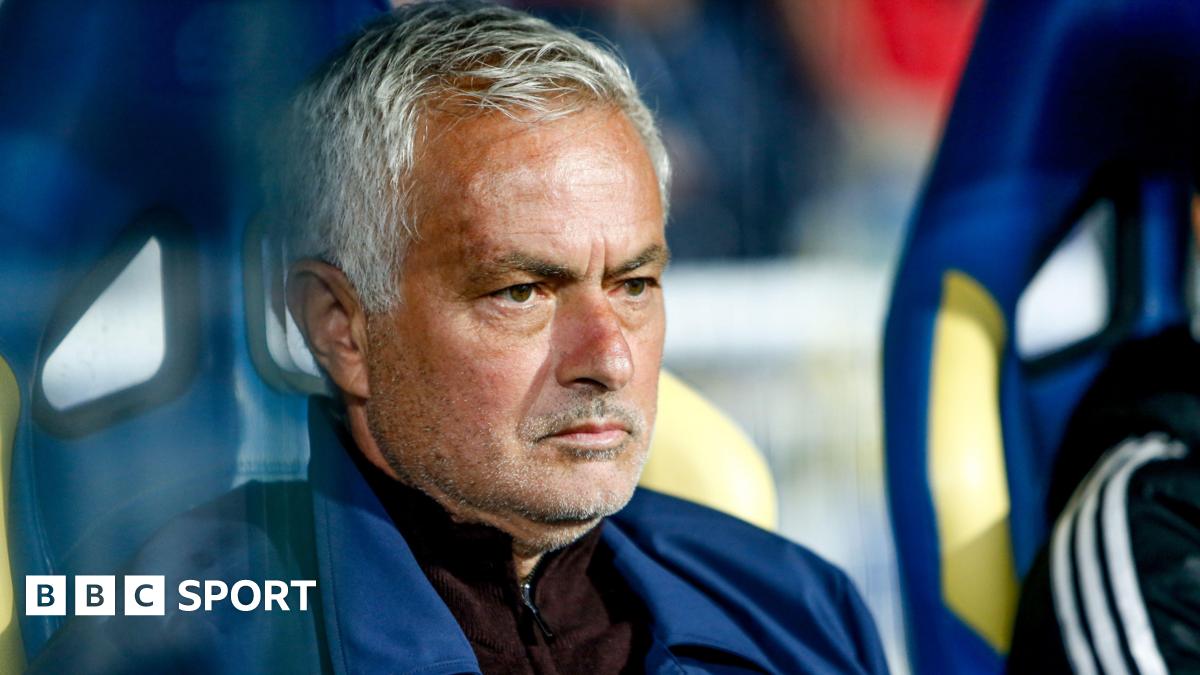
Mourinho at Real Madrid is nostalgia devoid of a strategy
7 hours ago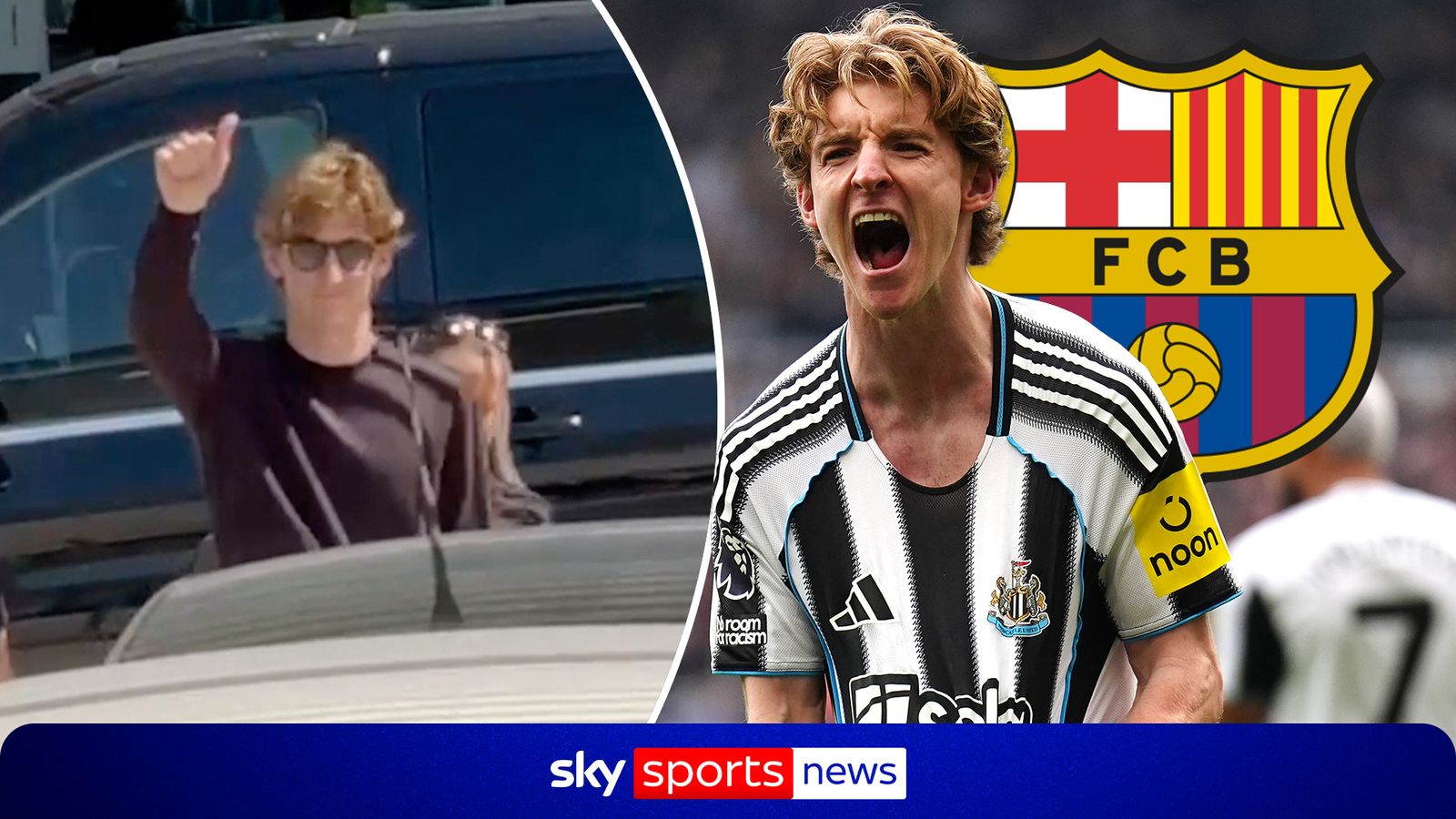
Anthony Gordon to Barcelona: Analyzing the Camp Nou Gamble
9 hours ago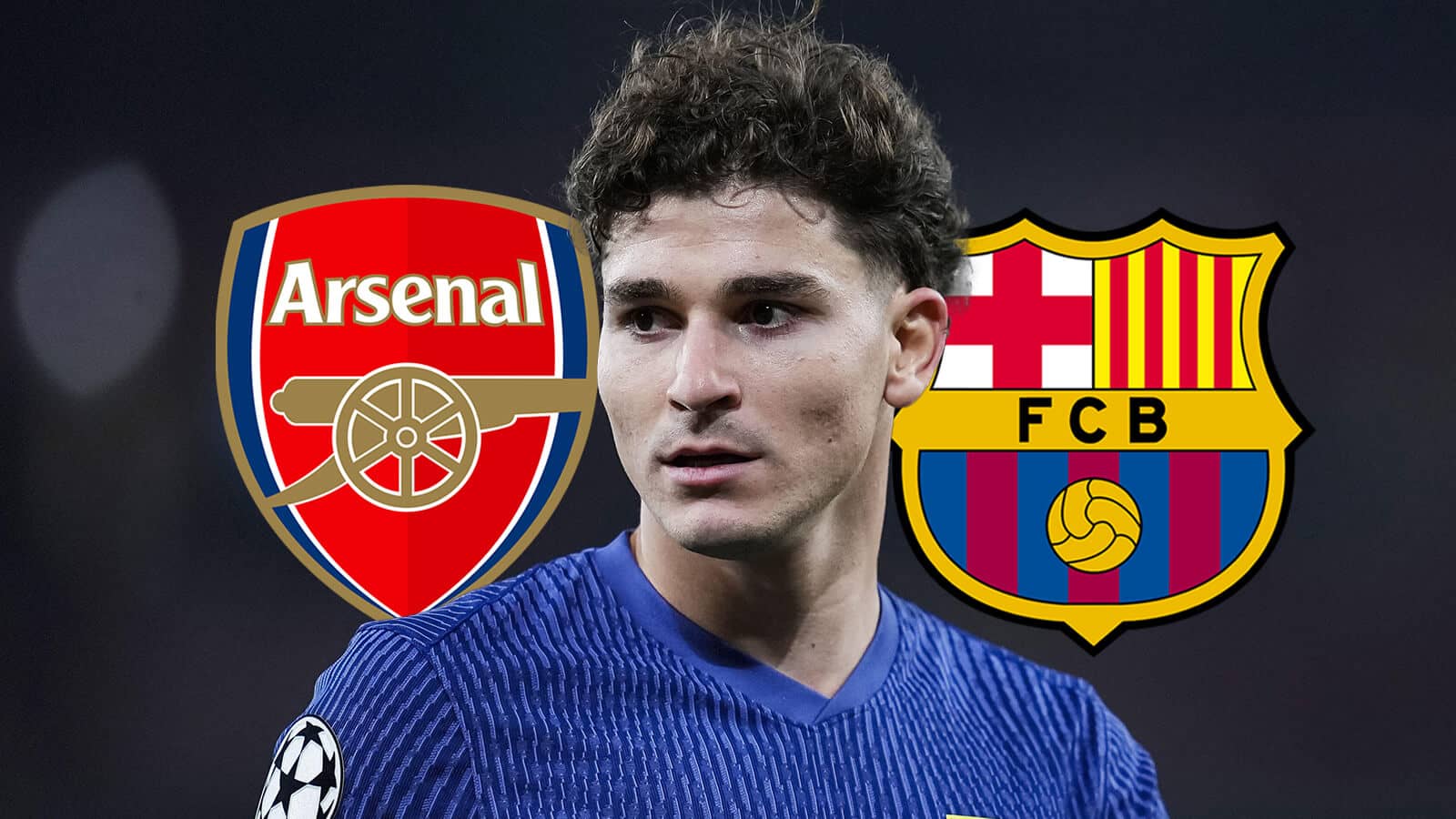
Julian Alvarez has chosen his side as Arsenal and Barcelona collide
19 hours agoMore Match Reports
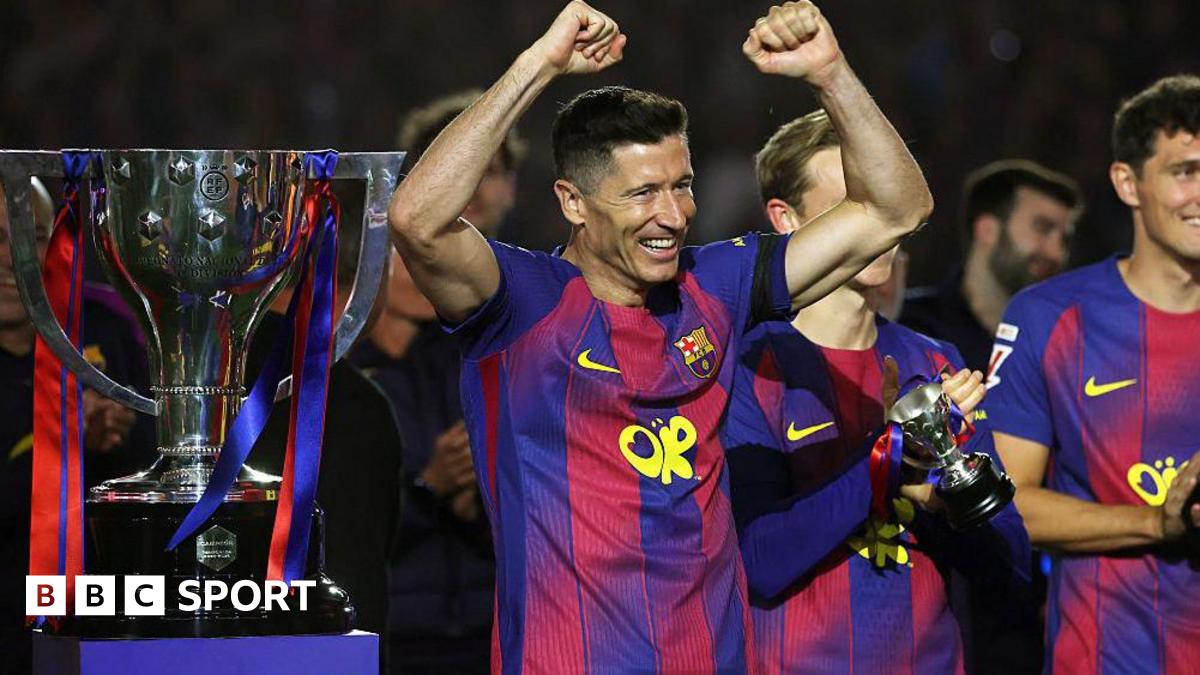
Robert Lewandowski is leaving Barcelona and nobody knows what mission he finished
1 week, 6 days ago
Top 10: Defining Moments in FC Barcelona's Modern Era
1 month, 3 weeks ago
Hansi Flick's new Barca contract is a necessary, risky move
4 weeks ago
Anthony Gordon to Barcelona: Analyzing the Camp Nou Gamble
9 hours ago
Barcelona are about to find out how much they really need Lamine Yamal
1 month ago