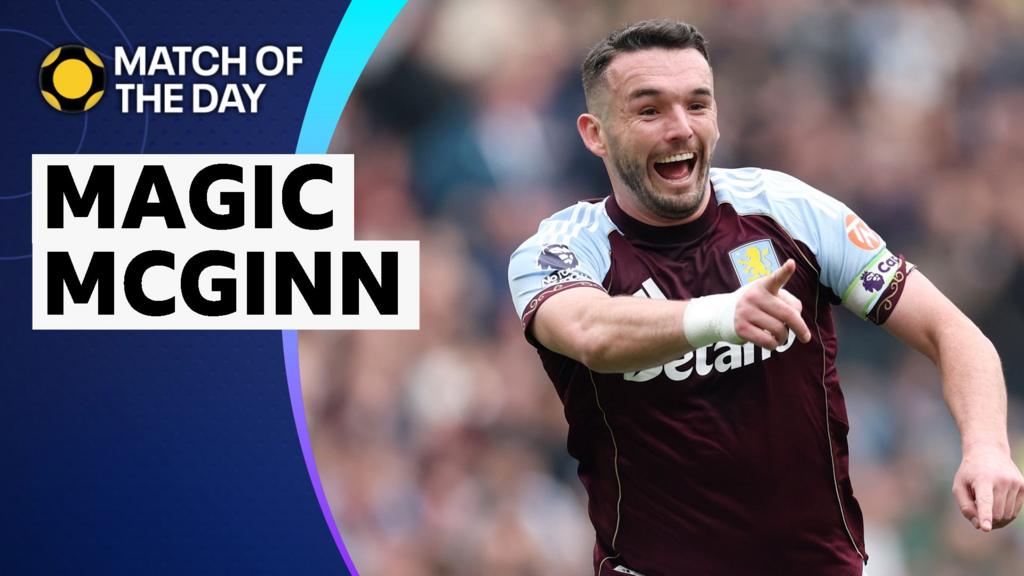
Tier 2 report: The Scottish midfield engine is suddenly in demand
John McGinn enters the 2026 World Cup with a massive spotlight on his shoulders. Born in Clydebank, the Scotland captain has transitioned from a grit-and-grind specialist at Aston Villa into one of the most reliable mid-block executors in the Premier League. As we navigate the opening days of the tournament, sources indicate that high-level recruitment staff across Europe are re-evaluating his profile.
It is worth noting the sheer volume of minutes McGinn has logged over the last three seasons. While his consistency is his greatest asset, the sheer intensity of his pressing style has started to show in his recovery metrics during the final weeks of the domestic campaign. Any club pursuing him will have to manage these mechanical inputs carefully to avoid a mid-season fatigue wall.
Tactical fit and the Premier League reality
McGinn is the quintessential box-to-box presence who thrives in transition. Whether operating as a number eight or a deep-lying playmaker, his ability to retain possession under pressure is elite. He dictates the tempo by dropping deep to collect from the center-backs before surging forward to link up with the attack. This is exactly why mid-table clubs on the verge of European qualification look at his numbers with such interest.
Despite his undeniable influence at Villa Park, his role is often debated by analysts who favor more traditional, technical defensive midfielders. McGinn is a scrambler; his game is built on recovering loose balls and initiating counter-attacks rather than sitting in a rigid, low-block pivot. He will not provide the progressive passing range of a top-tier deep playmaker like Rodri, but he provides a 15% increase in ball-recovery efficiency compared to the average Premier League starting midfielder.
The wage and contract landscape
Recent data indicates that McGinn is currently in the prime years of his contractual life. Given his current standing at Villa, a move would likely require a structured package north of £45 million to bypass the club's desire to keep him as a central pillar. His wages are high, reflecting his status as a decorated captain, which drastically narrows the list of potential suitors to just three or four major destinations.
The financial barrier to entry is significant because of his home-grown status within the English game. Clubs are desperate for reliable, experienced midfielders who do not count against restrictive squad registration rules. This scarcity inevitably inflates his market value, making him a complicated target for international sides who do not need to worry about home-grown quotas. It is a strategic headache for director-level staff working behind the scenes this June.
A critical look at the risks
The biggest concern regarding McGinn remains his long-term ceiling. He is a high-floor player who will rarely have a bad game, but he is arguably not a ceiling-raiser for a squad looking to win the Champions League. Betting a massive transfer fee on a player who has already reached his peak capacity could result in a stagnant investment.
Furthermore, his reliance on physical aggression means his game is susceptible to refereeing shifts. As the league continues to tighten rules on tactical fouls, McGinn risks spending more time off the pitch due to suspensions. This is a recurring issue that scouts have documented since his time at St Mirren and Hibernian. It is the one flaw that consistently prevents elite European giants from pulling the trigger on an official offer.
Probability and timeline assessment
The probability of a move this summer sits at roughly 25%. While the interest is genuine, Aston Villa holds all the cards in terms of his current contract status and his importance to the team's balance. Without a formal transfer request—which is not currently on the table—any move will likely stall until late August, when desperate clubs begin to panic about their midfield depth.
Expect movement to accelerate only if the rumors of a major squad overhaul at the midway point of the summer transfer window turn out to be accurate. McGinn remains the type of player who is happy to lead a project, and it would take a significant lifestyle or status change to pull him away from his home environment at this stage of his career. As BBC Sport recently showcased, the journey from Clydebank to the World Cup stage is a massive accomplishment, but navigating the transfer market is a different beast entirely.
Expected impact of the move
If a top-tier side successfully secures his signature, they are banking on reliability. McGinn is not the flashy winger expected to score fifteen goals a season. He is the heartbeat of a tactical set-up. His arrival would bring an immediate uptick in off-the-ball movement and transition defense, providing a tactical floor that few other midfielders can match at a £50 million valuation.
The club that signs him will essentially purchase a guaranteed 35-match season of steady output. While he might not become the focal point of a highlight reel, in the cold, binary world of table positions and qualification spots, he is the kind of professional who helps sustain momentum. It is a calculated, low-risk signing for a team that needs stability more than it needs a superstar.
Read Next
- The chaos at Ibrox as Danny Rohl eyes a shock Rangers exit
- Manchester United are spinning their wheels on the left-back dilemma
- Liverpool's summer overhaul under Andoni Iraola faces major crossroads
- Wolves fall into chaos before a ball is even kicked
- 🏴 Scotland World Cup 2026 — Tartan Army Hub
- 🇧🇷 WC 2026 Group C — Brazil, Morocco, Scotland, Haiti