Mourinho weighs in on the big club debate
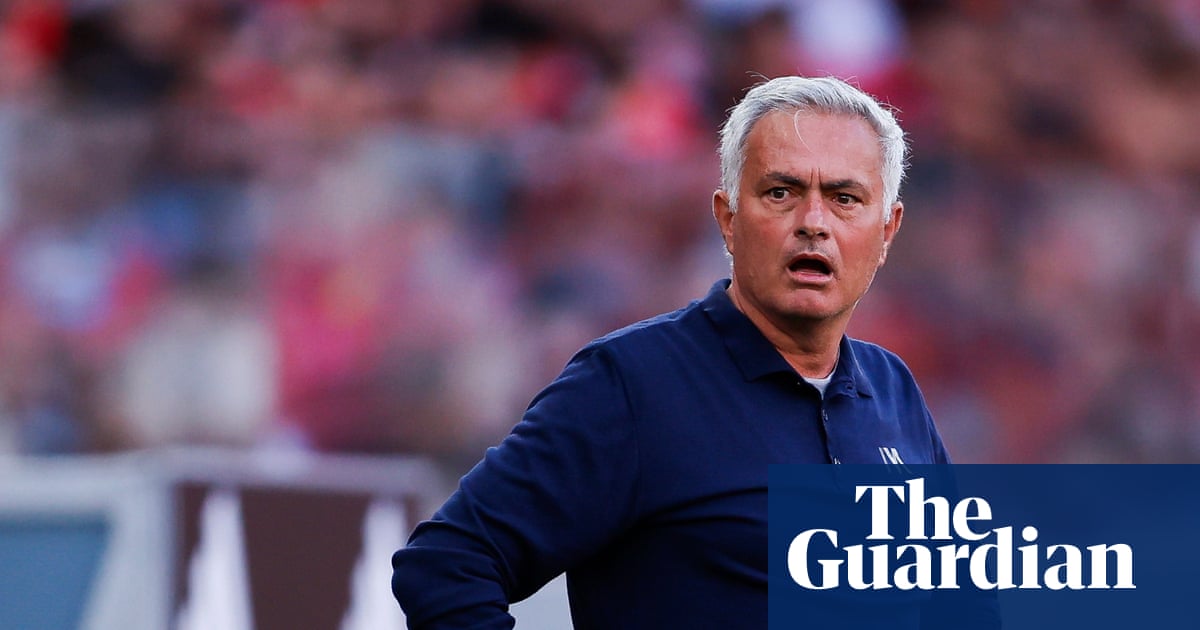
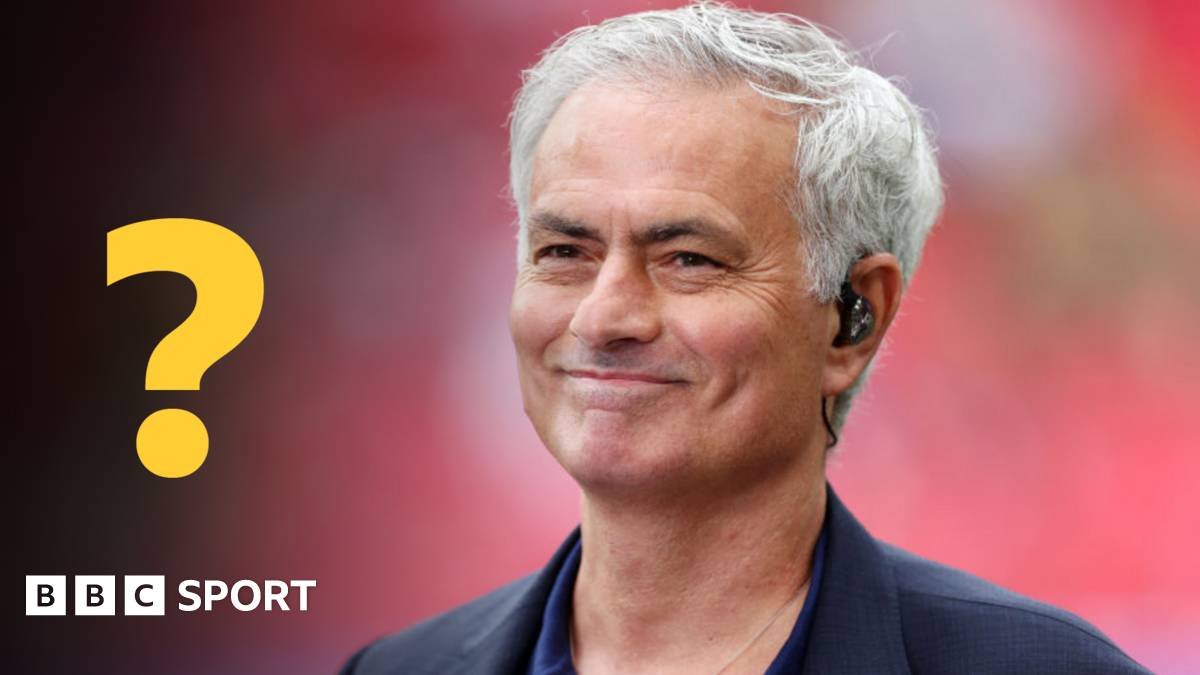
Jose Mourinho has never been a man of half-measures. While preparing for the Champions League Final, the veteran manager opened up on his career spent within the Premier League’s highest pressure cooker environments. He explicitly addressed the ongoing debate regarding the stature of Liverpool compared to Manchester United.
Despite his own tenure at Old Trafford, Mourinho refused to diminish the historical gravity of the Merseyside outfit. He signaled that while one club has dominated in terms of pure commercial expansion and market reach, the other possesses a distinct historical weight that is impossible to ignore. His comments arrived just hours before the season finale, catching the Manchester United faithful off guard.
The contrast in managerial philosophies
Mourinho spent significant time dissecting how different institutions influence a manager's performance. Having led Chelsea to dominant domestic runs and secured trophies for United, his perspective remains rooted in internal data rather than fan-fueled narratives. He emphasized that the pressure at United is unique, yet he conceded that the identity created at Liverpool creates a separate challenge for opposing managers.
I have respect for the history and I have respect for the clubs, but I do not play games with history by comparing the achievements in this way.
The sentiment highlights a rare moment of diplomatic neutrality from the Portuguese coach. Supporters of both clubs have spent years arguing over which side holds the title of the biggest club in England based on trophy counts. Mourinho’s stance effectively sidesteps the 20-19 Premier League title count advantage held by United, acknowledging that status is as much about cultural impact as it is about hardware.
Why this matters for United’s current trajectory
Manchester United remains in a state of flux. As reported by the Mirror, Mourinho’s comments landed poorly with segments of the United support who feel the club’s recent stagnation shouldn't be compared with Liverpool’s relative stability under recent coaching regimes. It’s an uncomfortable truth for a fanbase already reeling from a transitional season.
Critics point to the fact that United have struggled to recapture the form that made them a global force during the mid-2000s under Sir Alex Ferguson. By refusing to declare them unequivocally 'bigger' than their bitter rivals, Mourinho serves as a reminder that prestige is not a permanent state of being. It requires constant maintenance and, more importantly, consistent results on the pitch that have been severely lacking.
A tactical failure or a pragmatic observation?
Some might argue that Mourinho is simply playing his usual mind games to keep the spotlight on himself during a major final week. He has frequently acted as a lightning rod for criticism to deflect pressure off his active squads. This time, however, the target is purely historical, which feels like a waste of his rhetorical energy.
If the goal of a modern manager is to build a winning culture, referencing the past is rarely a productive exercise. By weighing in on this debate, he highlights the exact type of distraction that often hampers clubs in Manchester. Instead of focusing forward, the conversation remains anchored to a legacy that fans feel is being eroded by modern decision-making.
We must also look at the financial reality. United continues to pull astronomical revenue numbers compared to almost any competitor. If the discussion is purely commercial, Mourinho’s hesitation to crown them feels like he is intentionally missing the mark. It creates a friction point between the business of football and the sport itself.
Ultimately, Mourinho remains a divisive figure. His comments will do little to soothe the anxiety of the Old Trafford hierarchy as they look toward the summer transfer window. He has managed some of the biggest clubs in the world, and yet he seems content to leave the fans debating their placement in the pecking order while he navigates his own professional future.
The fans expect a clear answer on where their club stands. By refusing to provide a clear one, he creates more noise than substance. This is the danger of letting a high-profile manager influence the narrative during a period of transition. It divides the base, clouds the vision of the board, and keeps the media buzzing about headlines rather than tactical execution.
His commentary on the rivalry reinforces a negative trend: the obsession with stature over substance. Whether it is true or not, the Manchester United brand needs a new identity more than it needs a history lesson. Mourinho has provided plenty of food for thought, but for the people in the stands, it is just another bitter pill to swallow as their rivals gain ground.