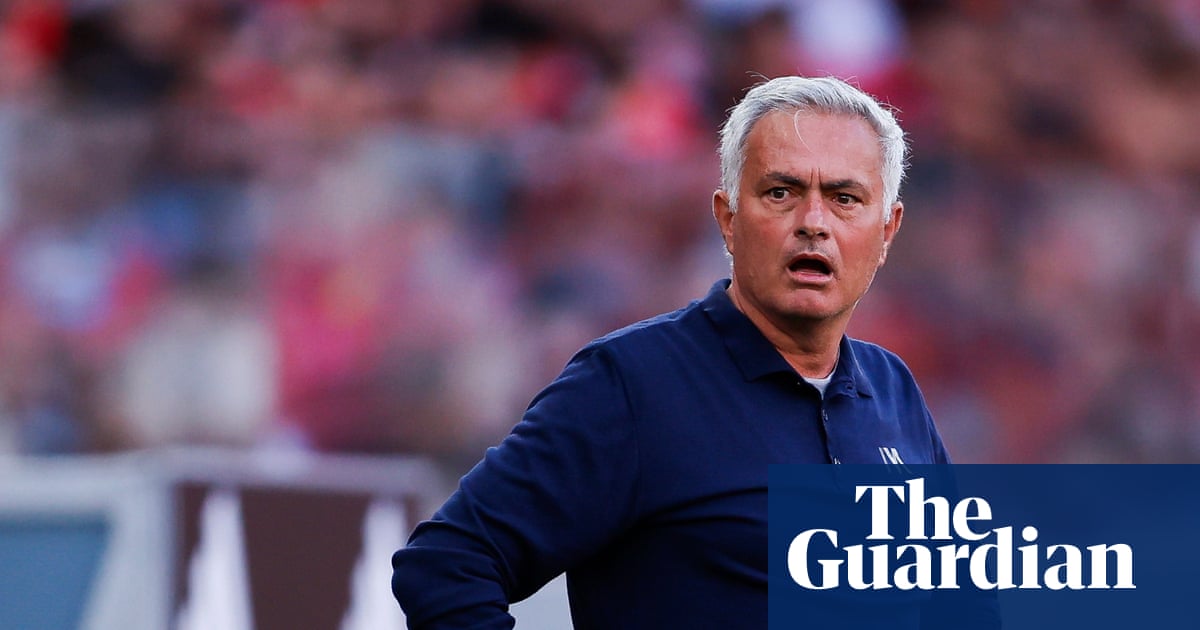
The Unthinkable Return
The idea of José Mourinho managing Real Madrid again has always felt like a fever dream. It was a lingering thought, a ghost in the corridors of the Bernabéu. Now, the impossible is shifting into the probable.
According to a report from The Guardian, Madrid’s exhaustive search for a saviour is zeroing in on a familiar, divisive face. Thirteen years in the making, the reunion is reportedly imminent.
The last time Mourinho was physically present at the Santiago Bernabéu, the circumstances were characteristically chaotic. He arrived on the team bus. He was suspended for that late February clash.
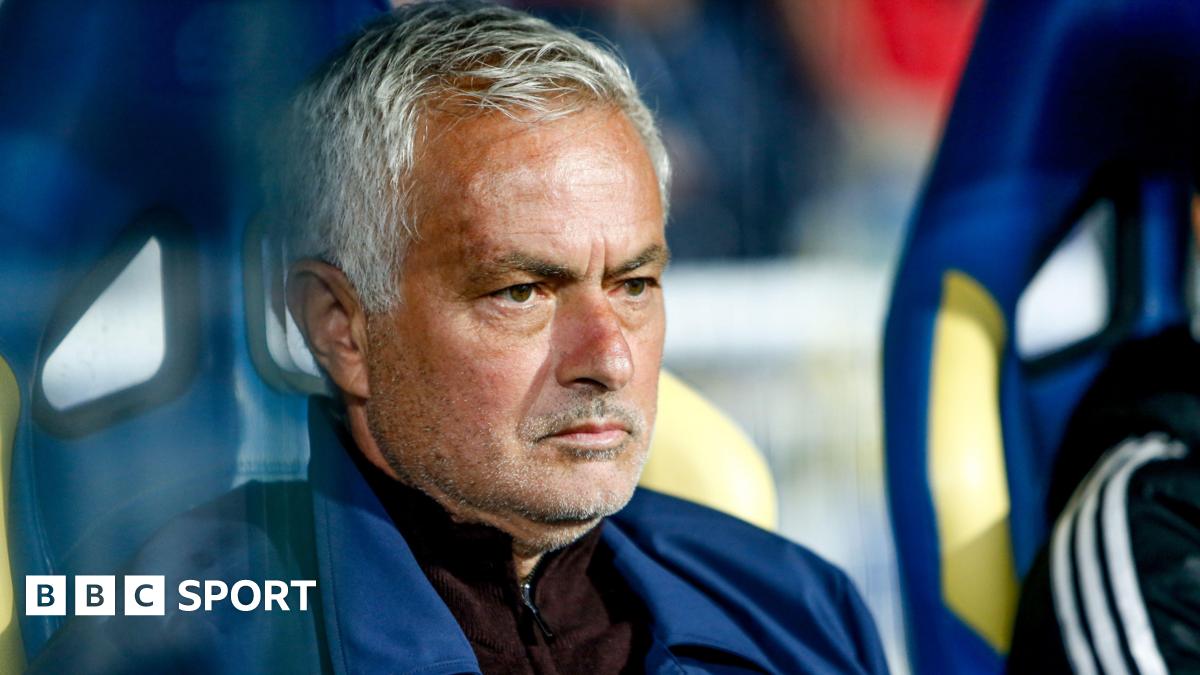
He was managing Benfica, watching from the outside as his current project clashed with his most famous former employer. It was a tense European night. The Portuguese side fought hard, but the gulf in individual talent was evident. Nobody that night could have predicted he would soon be handed the keys to the kingdom once again.
The Ghost of 2012
To understand the gravity of this move, you have to look backward. Mourinho’s first stint in the Spanish capital was an exercise in extreme high-wire management.
He was brought in by Florentino Pérez with one specific mandate. He had to stop Pep Guardiola’s Barcelona. At the time, the Catalan club was playing what many considered the greatest club football in history.
Mourinho did exactly what he was hired to do, though the cost was immense. The 2011-12 season remains a monumental achievement in the history of Spanish football. Madrid secured the league title with a record-breaking 100 points.
They scored 121 goals in that domestic campaign. They played a brand of devastating, transitional counter-attacking football that tore through La Liga. Mesut Özil, Ángel Di María, and Cristiano Ronaldo operated with frightening efficiency.
But the success was accompanied by constant friction. Mourinho waged war on multiple fronts. He fought with the Spanish press. He fought with Barcelona. Eventually, he fought with his own dressing room.
The decision to drop club captain Iker Casillas was the beginning of the end. It fractured the squad into distinct camps. When Mourinho departed in 2013, the club was exhausted.
Pérez famously called his departure a mutual agreement. The burned bridges seemed beyond repair. Yet, football is an industry with a remarkably short memory, especially when desperation sets in.
The Wilderness Years
Mourinho’s career since leaving Madrid has been a fascinating, uneven journey. He returned to Chelsea and won the Premier League.
He moved to Manchester United, securing a Europa League title and a League Cup. He often reminds the press that finishing second with United was one of his greatest achievements.
His tenure at Tottenham Hotspur ended abruptly, just days before a cup final. A spell at Roma brought European glory in the form of the inaugural Conference League, cementing his status as a deity in the Italian capital. It also ended in bitter disappointment and a mid-season sacking.
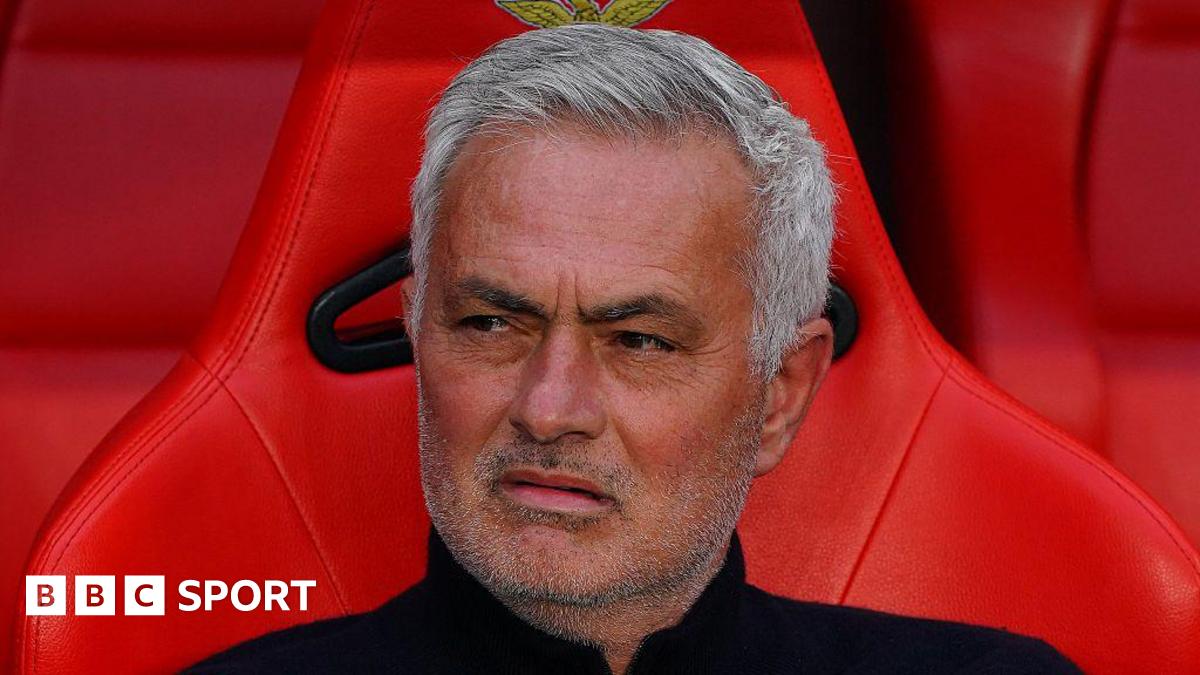
Then came the move to Portugal with Benfica. It was a return to his roots. It was supposed to be the twilight of his career, managing in the league where he first made his name with Porto.
Instead, his work in Lisbon has evidently caught the eye of Pérez. Madrid are not operating from a position of total strength. They need a manager who can instantly command a dressing room overflowing with global superstars.
The Portuguese manager has always been a short-term fix. He builds siege mentalities. He demands total loyalty. When it works, it yields immediate trophies. When it fails, it leaves scorched earth.
Tactical Reality Check
The modern Real Madrid squad is drastically different from the one Mourinho left behind. This is a team built around the individual brilliance of Jude Bellingham, Vinícius Júnior, and Kylian Mbappé.
Under Carlo Ancelotti, Madrid relied on a relaxed tactical framework. Ancelotti trusted his players to solve problems on the pitch. Mourinho represents the extreme opposite of that philosophy.
He demands rigid defensive structure. He requires wingers who track back relentlessly. Will Mbappé be willing to drop deep into a low block during a tense Champions League knockout tie?
Will Vinícius sacrifice his attacking freedom to execute a strict defensive assignment? These are the questions that will define this second era. If the players buy into his methods, Madrid could become an impenetrable force.
If they resist, the dressing room will turn toxic faster than it did in 2013. The margin for error is non-existent. Madrid fans demand both winning football and entertaining football.
Mourinho has rarely cared about entertainment. He cares about the result. That fundamental friction will test the patience of the Bernabéu crowd from day one.
The Institutional Gamble
Florentino Pérez does not make decisions based on sentimentality. The Real Madrid president is ruthless. He fired Carlo Ancelotti previously after securing La Decima. He let Cristiano Ronaldo walk away when the financial demands grew too high.
Choosing Mourinho is a calculated, deeply cynical move. Pérez knows the dressing room has become too comfortable. The hierarchy at the club believes a disruptor is required to shake the players out of their complacency.
But the socios at the Bernabéu are notoriously demanding. They do not just demand victories. They demand a specific style of play. They will whistle their own players if a back-pass is played too slowly.
How will they react to Mourinho shutting up shop at home against a mid-table side? The whistles will be deafening if the results stutter. The pressure will mount instantly.
The Flaws in the Plan
This appointment is not without serious risks. Mourinho’s tactical playbook has been questioned repeatedly over the last decade.
Critics argue the game has evolved past his reactive methods. The top teams in Europe dominate possession and press high up the pitch. Mourinho still prefers to surrender the ball and control the space.
When he fails to win early, the negativity can suffocate a club. We saw it at Manchester United and Tottenham. The press conferences become defensive. The players start pointing fingers.
Real Madrid cannot afford a multi-year rebuild. They are built to win the Champions League every single season. Bringing Mourinho back is a massive gamble by Pérez.
It is an admission that the club needs an enforcer. They are sacrificing long-term stability for the hope of a short-term shock to the system.
The risk of spectacular failure is high. The media circus will be exhausting. Every press conference will be analyzed for hidden messages and thinly veiled criticisms.
The Inevitable Collision
Despite all the warning signs, there is a compelling logic to the madness. Real Madrid and José Mourinho are both obsessed with winning at any cost.
They are the two most polarizing entities in world football. Combining them again is a recipe for pure, unadulterated drama. It will be the biggest story of the upcoming La Liga season.
Can he still outmaneuver the best tactical minds in Europe? Has his time at Benfica softened his abrasive edges? History suggests Mourinho never truly changes.
He will arrive in Madrid with the same arrogance, the same tactical stubbornness, and the same absolute belief in his own genius. The Spanish press are already sharpening their knives.
The players are bracing for impact. The fans are divided. Thirteen years later, the Special One is coming back to the only club that matches his ego. Prepare for chaos.
Read Next
- Top 10: The Real Madrid Meltdown and a Glimpse of the Future
- Real Madrid fans are already whistling Kylian Mbappe and it is glorious chaos
- Top 10: Top Moments of the 2025/26 Football Season
- Top 10: The Defining Moments of the 2025/26 Football Season
- ⚽ La Liga 2025-26 — Title Race Hub
- ⭐ UCL 2026 — Champions League Quarter-Finals Hub