
Jude Bellingham is carrying an imbalanced England side
Tactical isolation in the midfield
England’s recent five-goal encounter against Croatia exposed a recurring geometric flaw that Gareth Southgate has yet to resolve. While Jude Bellingham remains the technical heartbeat of the squad, he is currently operating in a vacuum that forces him to over-index on individual output to mask structural incoherence.
The sequence that led to the opening goal provided a perfect look at this reliance. Bellingham recovered the ball in the defensive third, bypassed two Croatian midfielders with a vertical dribble, and initiated a sequence that required him to arrive late in the box to finish the move himself. Doing the work of two positions is not sustainable for a player of his standing.
The math of defensive over-extension
Watching the defensive transitions, the gaps between the holding line and the attacking quartet are staggering. When possession turns over, England’s shape horizontally elongates, leaving too much space between the center-backs and the primary pivot. Croatia registered an xG of 1.84 despite holding less than 40% of the ball during the second half.
This is a direct result of Bellingham pushing into the final third to compensate for a stagnant attacking line that often fails to provide width. Without a disciplined secondary runner, the midfield transition is susceptible to simple diagonal balls. As Sky Sports reported during the live coverage, the pressure on the back-four intensified significantly whenever Bellingham broke the first line of the press.
Stagnation in the half-spaces
The movement in the final third has become predictable. Opponents have realized that if they shadow Bellingham, the creative flow of the team dries up completely inside the opposition half. The reliance on individual brilliance often results in long-range speculative shots rather than high-probability box entries.
Pass completion rates in the final thirty yards plummeted after the 70th minute as players drifted out of their assigned zones. The team lacks the rigid structure required to exploit half-spaces when the primary playmaker is marked out of the game. For all the depth in the squad, the lack of a secondary tactical outlet remains a glaring omission in the preparation for upcoming major tournaments.
The missed opportunity in closing games
The inability to control the tempo once a lead is established suggests a lack of maturity in the match-day management. Leading by two goals, the team should have shifted to a lower block and utilized ball retention to force Croatia to commit reckless numbers forward.
Instead, the team chased a third goal with a disjointed press that left players stranded 40 yards apart. This is not just a tactical decision; it is a lack of composure. If England cannot manage the clock against mid-tier opposition without creating chaos, the tournament outlook remains grim.
Southgate has to decide whether Bellingham is a free-roaming ten or a box-to-box engine. Playing him as both is a recipe for fatigue by the knockout stages. Until the role definition is sharpened, Bellingham will continue to be the brightest spot in an otherwise dim tactical display.
Read Next
Adidas Trionda League Soccer Ball
Bring the magic of the 2026 World Cup to your local pitch with this match-grade
Frequently Asked Questions
Why is England's reliance on Jude Bellingham considered a tactical issue?
What tactical flaw led to Croatia's high xG against England?
How do opponents successfully stifle England's attacking flow?
Why does England struggle to maintain possession after establishing a lead?
What specific tactical choice must Gareth Southgate make regarding Bellingham?
More Coverage
England’s defense is still a total circus despite that Croatia win
39 minutes ago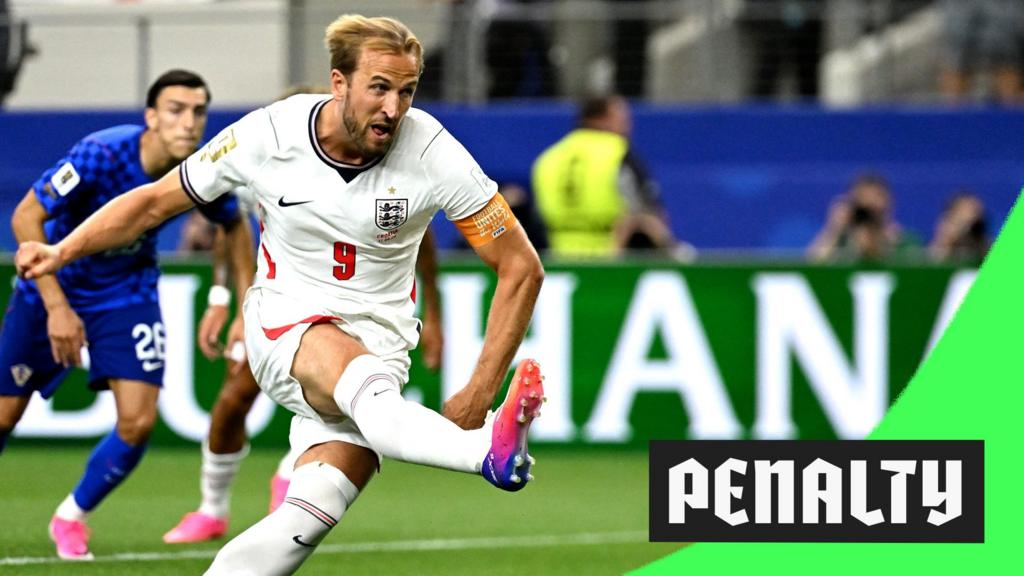
Harry Kane's performance spikes transfer speculation
an hour agoEngland's four-goal blitz proves they are finally playing for keeps
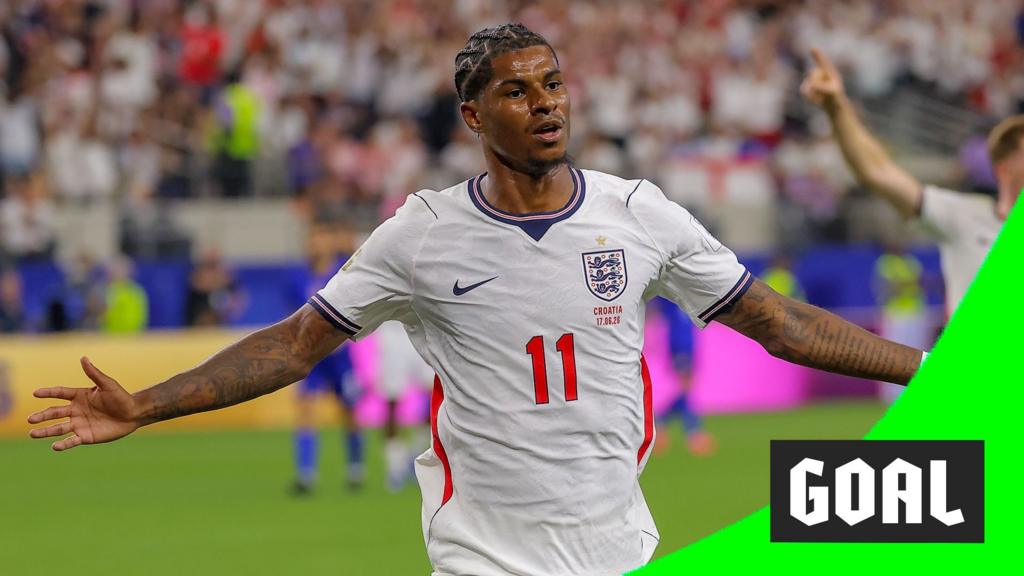
an hour agoMarcus Rashford just saved England from a total Croatia meltdown
an hour ago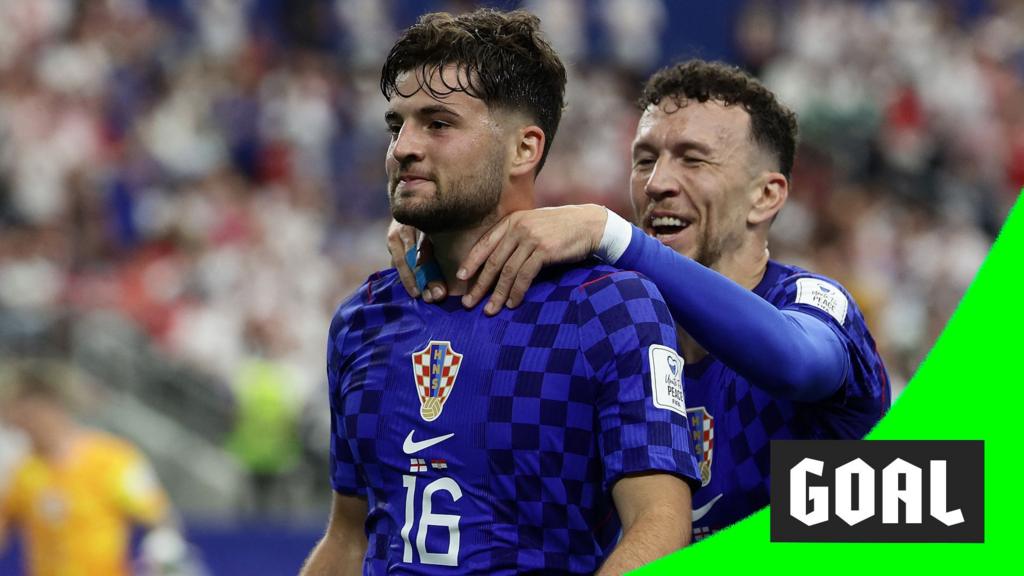
England vs Croatia: Why the midfield battle in Dallas matters
an hour ago
Portugal faces an identity crisis after the DR Congo stalemate
an hour agoMore Analysis
England’s defense is still a total circus despite that Croatia win
39 minutes ago
Ghana and Panama face a technical deadlock in international friendly
39 minutes ago
Harry Kane's performance spikes transfer speculation
an hour agoEngland's four-goal blitz proves they are finally playing for keeps
an hour agoMarcus Rashford just saved England from a total Croatia meltdown
an hour ago