Tactical stagnation in the Portuguese final third
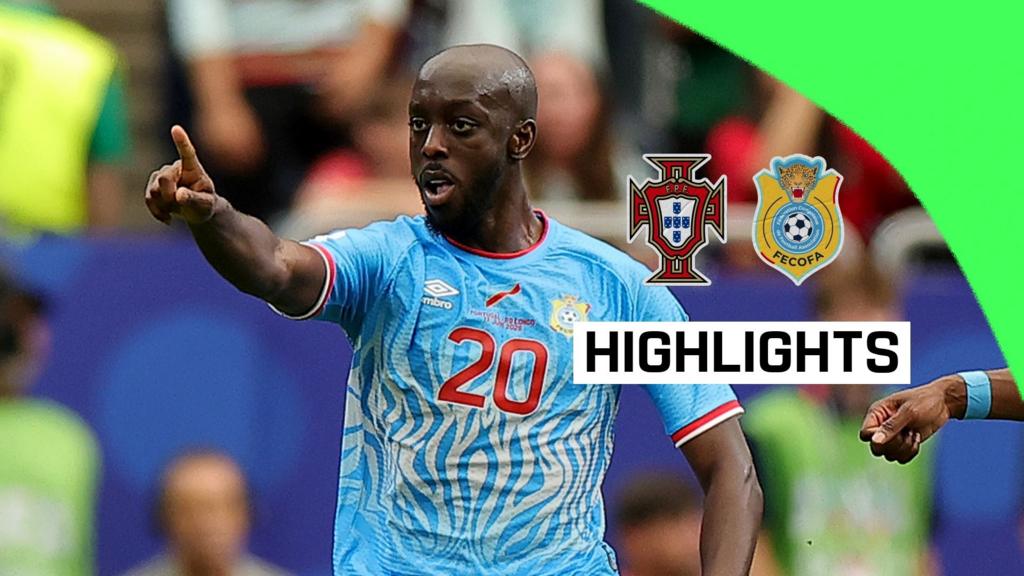
Portugal’s draw against DR Congo on Wednesday revealed a troubling deficit in efficiency. Roberto Martinez watched his side generate 1.84 xG without finding the back of the net, a figure that highlights a structural failure in the transition from midfield to attack.
The team’s reliance on high-volume crosses, totaling 28 attempts during the 90 minutes, lacked the precision necessary to break down a deep defensive block. Width is not a substitute for spatial penetration, and Wednesday proved that moving the ball horizontally around the penalty area serves only to benefit the opposition's defensive shape.
The Ronaldo dilemma persists
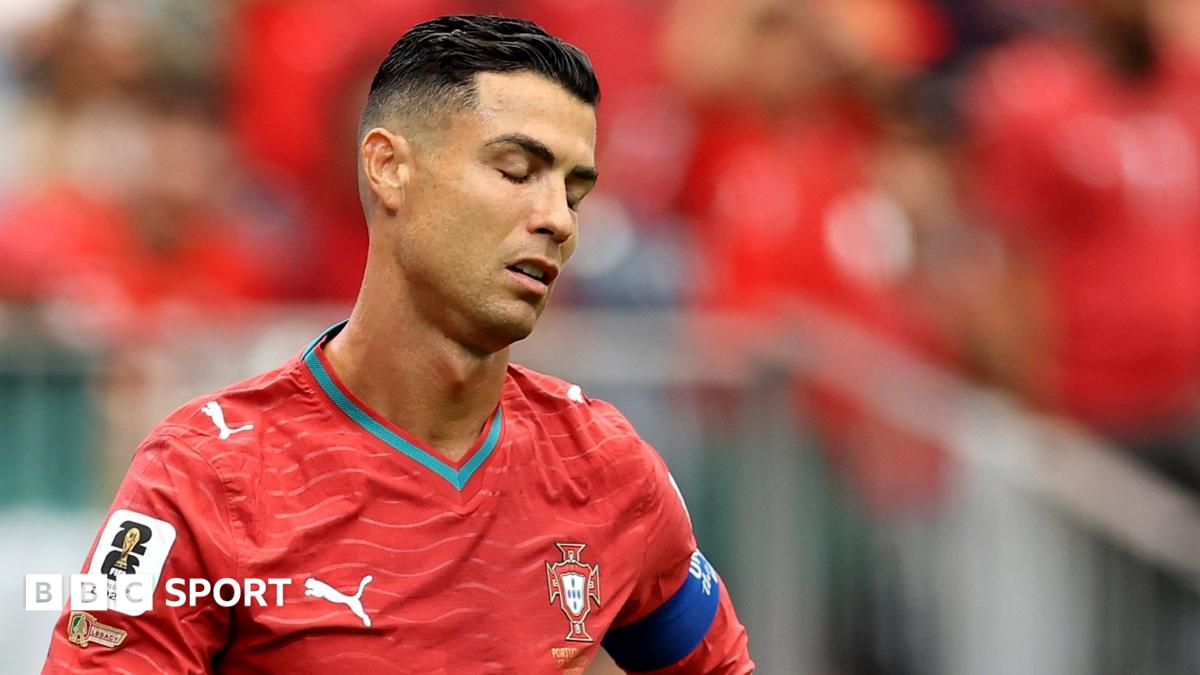
Cristiano Ronaldo remains the central figure of the Portuguese attack, yet his output no longer justifies the tactical constraints his presence demands. When a forward fails to press or facilitate link-up play in the half-spaces, the remaining nine outfield players must compensate with excessive defensive labor.
The data from Wednesday’s fixture aligns with broader concerns noted by recent BBC reporting on the squad's form. With an accuracy rate of just 33% on his shots inside the box, the veteran forward effectively nullified the momentum generated by Bruno Fernandes and Bernardo Silva.
Maintaining a player who occupies central channels while lacking the mobility to exploit high lines forces the entire team to drop deeper. This results in an disjointed press that leaves the back four exposed to counter-attacks. Roberto Martinez appears unwilling to facilitate a transition, citing a fear of benching the iconic striker at the 82nd minute mark even when the game state dictated a change in profile.
Midfield dynamics beyond the superstar
While the forward line struggled, the midfield hub provided enough ball progression to win a standard group-stage match. Joao Neves maintained a 92% pass completion rate, frequently splitting the DR Congo mid-block to find space between the lines.
However, the lack of secondary runs into the box rendered these efforts futile. If Portugal are to progress deep into this tournament, they must diversify their scoring options rather than forcing high-risk balls into a congested area near the penalty spot.
Predicting the tactical pivot
The coaching staff faces a binary choice for the upcoming weekend. They can either persist with the current structure and hope for individual variance, or shift to a more fluid front three that utilizes a mobile target man capable of dragging defenders out of position.
Given the conservative nature of recent team sheets, I anticipate a marginal shift rather than a total overhaul. Expect Bruno Fernandes to be granted more license to operate as a secondary striker to mitigate the lack of movement from the primary holder of the number nine shirt.
Portugal will likely win their next outing, but it will be a gritty affair marked by frustration rather than clinical dominance. They will struggle to break down organized teams until the tactical setup prioritizes movement over legacy names. I expect a 1-0 scoreline in their next match, secured by a set-piece rather than open play.
Read Next