The arithmetic of a homecoming
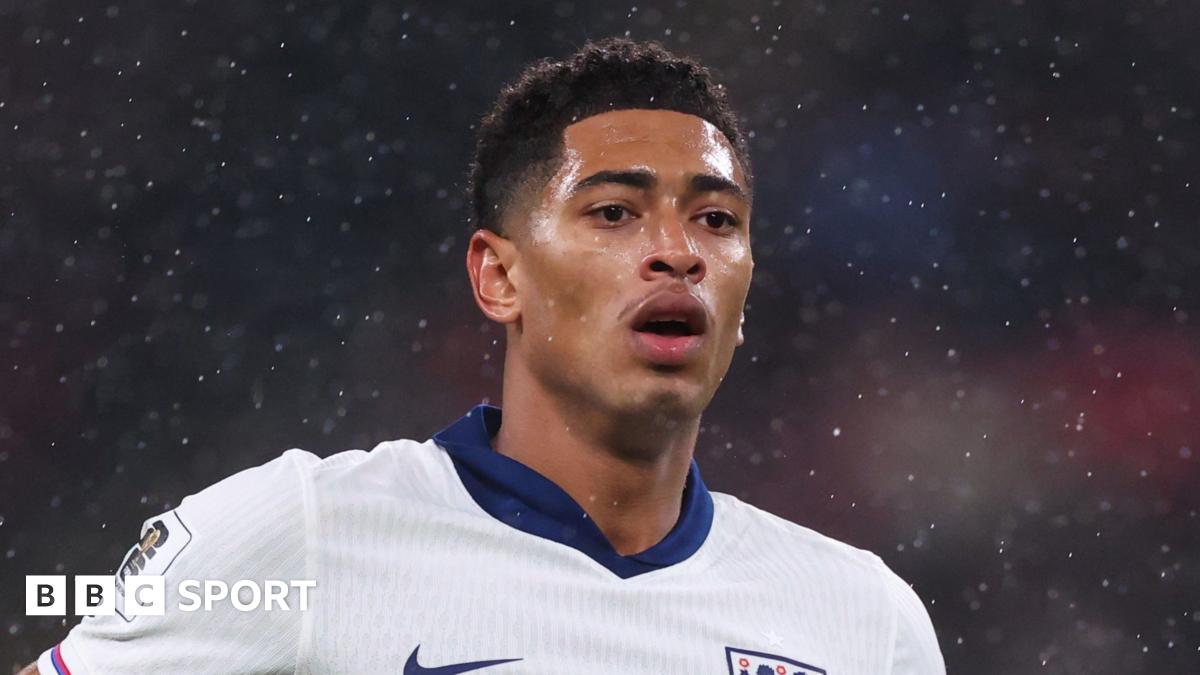
A 1% stake might sound like a rounding error in the ledger of a global superstar, but in the context of The Hundred's 2026 privatization, it is a calculated bet on a city's cultural capital. As of April 21, 2026, Jude Bellingham has officially moved from being Birmingham’s most famous export to one of its most intriguing investors. By purchasing 1% of the Birmingham Phoenix, the Real Madrid midfielder is tying his financial identity to a format that remains as divisive as it is lucrative.
The ECB’s recent valuation of the Birmingham Phoenix franchise sits at approximately £75 million. This puts Bellingham’s entry price at roughly £750,000—a figure that represents just over two weeks of his current post-tax salary in the Spanish capital. While the cash is negligible for a player of his standing, the timing is surgical. The Hundred is currently entering its first full season under a private ownership model, shifting away from the centralized control that defined its first five years of existence.
Valuing the Phoenix at £75 million
To understand why Bellingham is buying in now, you have to look at the Phoenix’s commercial floor. Unlike the London Spirit or the Oval Invincibles, who benefit from the gravity of the capital, the Phoenix relies on the most consistent cricket-watching demographic in the UK. In the 2025 season, the team averaged 18,400 fans per home game at Edgbaston, operating at 74% of the stadium's capacity. These aren't just bodies in seats; they are consumers of a brand that has successfully decoupled itself from the traditional Warwickshire identity.
Bellingham is not just buying into cricket; he is buying into a TV rights cycle. The current domestic deal with Sky and the BBC, valued at roughly £220 million per year for all English cricket, is due for a massive inflationary jump in 2028. By securing a stake today, Bellingham is positioning himself for the 'uplift' phase of the franchise's life cycle. If the Phoenix valuation hits £120 million by the turn of the decade—a projection many analysts consider conservative—his initial investment will have nearly doubled without him ever having to pick up a bat.
Why 1% matters in a 100-ball game
There is a harsh reality to minority stakes that often gets buried under the hype of celebrity involvement. At 1%, Bellingham has zero operational control. He cannot dictate the draft strategy, he cannot influence the hiring of the head coach, and he cannot move the needle on match-day ticket pricing. He is, for all intents and purposes, a high-profile passenger. However, in the world of sports venture capital, 1% is the standard entry point for 'brand-equity' partners.
We saw this with Tom Brady’s investment in Birmingham City and LeBron James’ initial slice of Liverpool. These athletes do not provide liquidity; they provide gravity. For the Phoenix, having the England national team’s heartbeat as a co-owner is a direct line to a demographic that cricket usually fails to reach. Internal ECB data from 2025 suggested that 40% of Hundred ticket buyers were under the age of 25. Bellingham, currently just 22 years old himself, is the literal personification of that target market.
The commercial gravity of the Birmingham brand
Bellingham’s connection to Birmingham is not merely sentimental. He is a player who had his shirt number retired by Birmingham City after only 44 senior appearances. That kind of local myth-making translates into merchandising power. When he signed for Real Madrid, shirt sales in the West Midlands spiked by 300% within the first month. The Phoenix are banking on a similar 'Bellingham effect' for their 2026 kit launch, hoping to turn a cricket franchise into a lifestyle brand that can compete with the football shirts seen on the streets of Digbeth.
The data supports this transition. Last year, the Phoenix saw a 12% increase in non-matchday revenue, largely driven by digital content and apparel. By adding Bellingham to the boardroom—even in a symbolic capacity—they are essentially hiring the world's most effective influencer for the price of a mid-tier luxury apartment. It is a lopsided trade that favors the franchise significantly more than it favors the player's immediate portfolio.
Risk assessment in the Edgbaston boardroom
Real journalism requires looking at the cracks in the facade. The Hundred is still a fragile project. Despite the influx of private cash, the league remains heavily dependent on the schedule of the Indian Premier League. If the IPL decides to expand its window by another two weeks, The Hundred loses its access to the 'Tier 1' overseas stars. A Birmingham Phoenix team without world-class talent is just a collection of local cricketers in brightly colored polyester, and no amount of Bellingham branding can fix a talent deficit.
Furthermore, the 1% stake is a double-edged sword for Bellingham. If the franchise fails to perform—as they did during their dismal 2023 campaign where they finished bottom of the table—his brand becomes associated with a losing venture. There is also the political friction within English cricket. Many traditionalists still view The Hundred as an existential threat to the County Championship. By taking a side, Bellingham is alienating a segment of the domestic sporting public that values the four-day game above all else.
The multi-sport athlete investor trend
Bellingham’s move is part of a broader shift in how modern footballers manage their wealth. We are moving away from the era of footballers opening bars or buying car dealerships. Today’s elite players are functioning as mini-conglomerates. They look for assets with high barriers to entry and protected territories. A cricket franchise is a perfect example of a 'moat' asset—there are only eight of them, and the ECB is unlikely to grant any more in the next decade.
Compare Bellingham’s 1% stake in the Phoenix to the average return on a high-growth tech stock. The tech stock might offer a higher ceiling, but it carries a total loss risk that a sports franchise in a closed system rarely faces. As long as people in Birmingham want to watch cricket on a summer evening, the Phoenix will have a baseline value. Bellingham is effectively hedging against the volatility of the traditional markets by investing in the one thing that people rarely stop consuming: tribal loyalty.
The numbers suggest this is only the beginning. With the 2026 World Cup on the horizon and Bellingham’s global profile expected to peak, this 1% stake is a low-risk trial run. If it works, expect to see him increasing his holdings across the city’s sporting landscape. For now, he is a minority owner with a majority voice, proving that in 2026, the most valuable thing an athlete can own is not a trophy, but a piece of the infrastructure that creates them.
Read Next
- Why Man Utd still struggle to find their midfield identity
- Pep Guardiola is feeding on Arsenal's hope and we should all be terrified
- Opta thinks Rangers will win the Scottish title but Hearts aren't moving
- Eddie Howe is finally facing the music with Newcastle's owners
- 🏴 England World Cup 2026 — Three Lions Hub