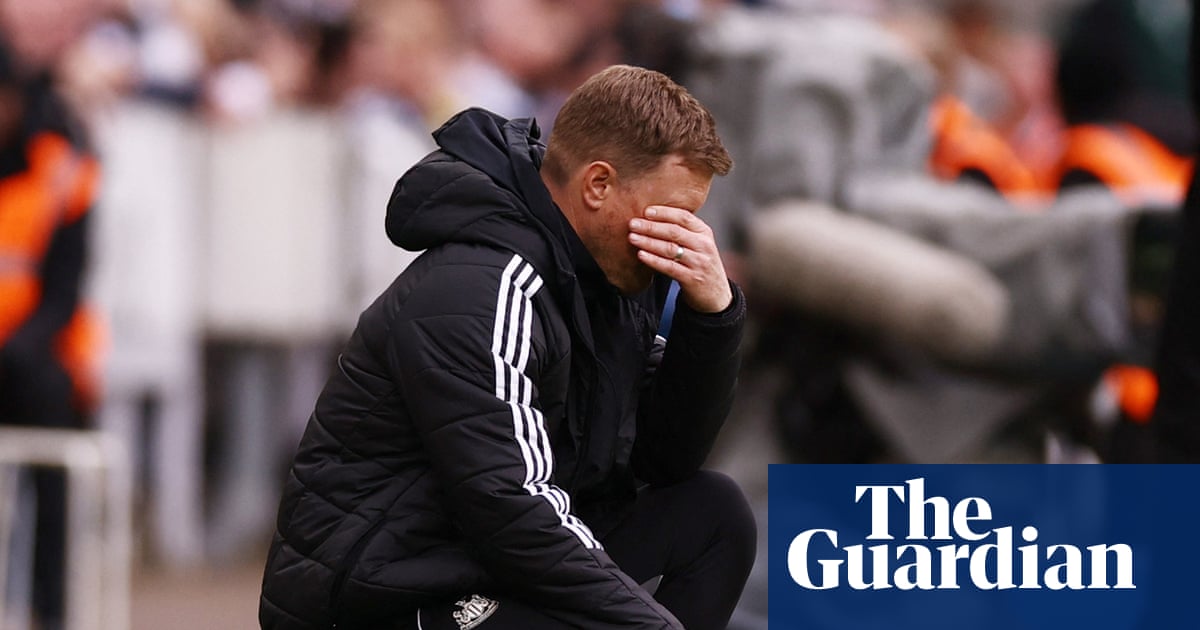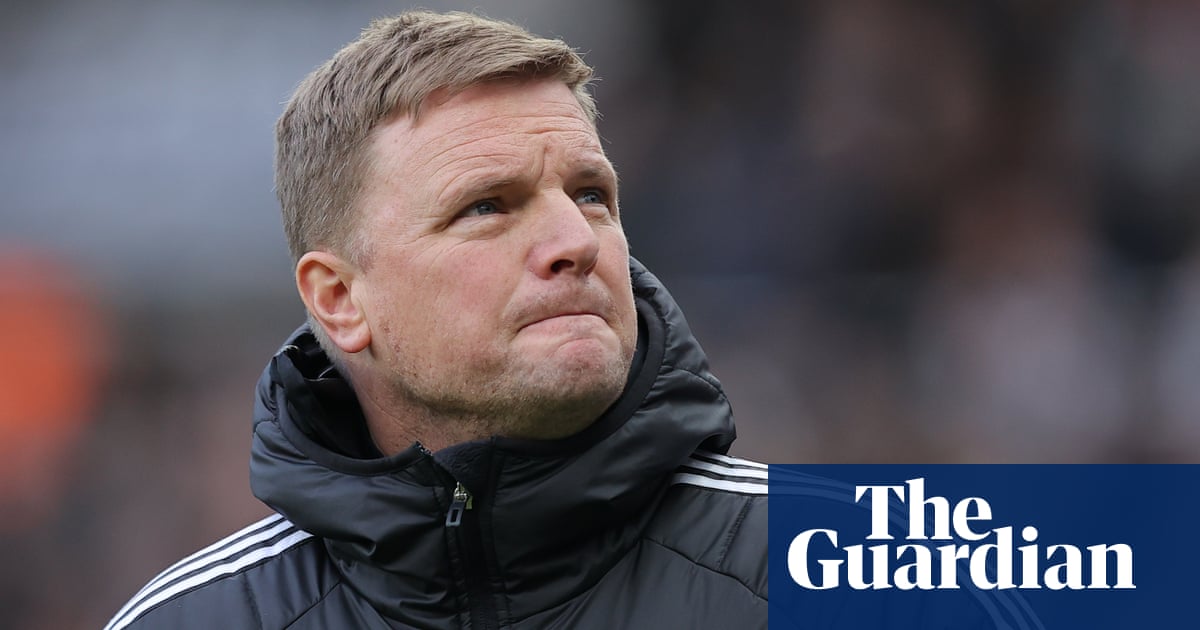
The Riyadh audit arrives on Tyneside
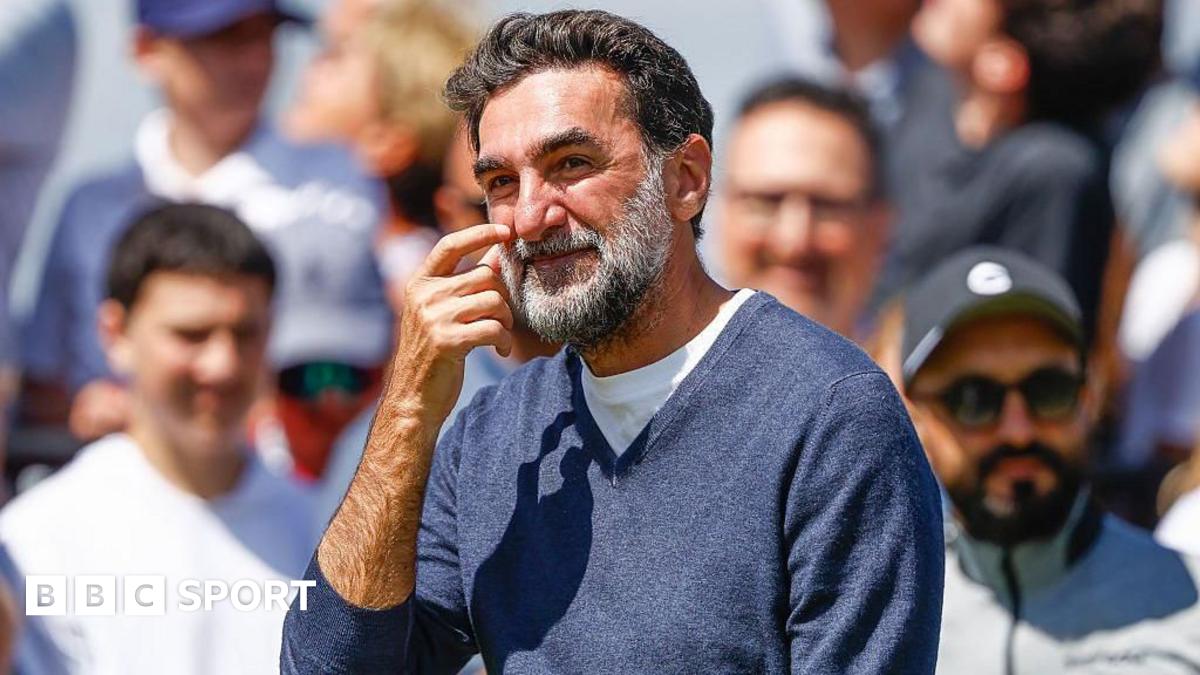
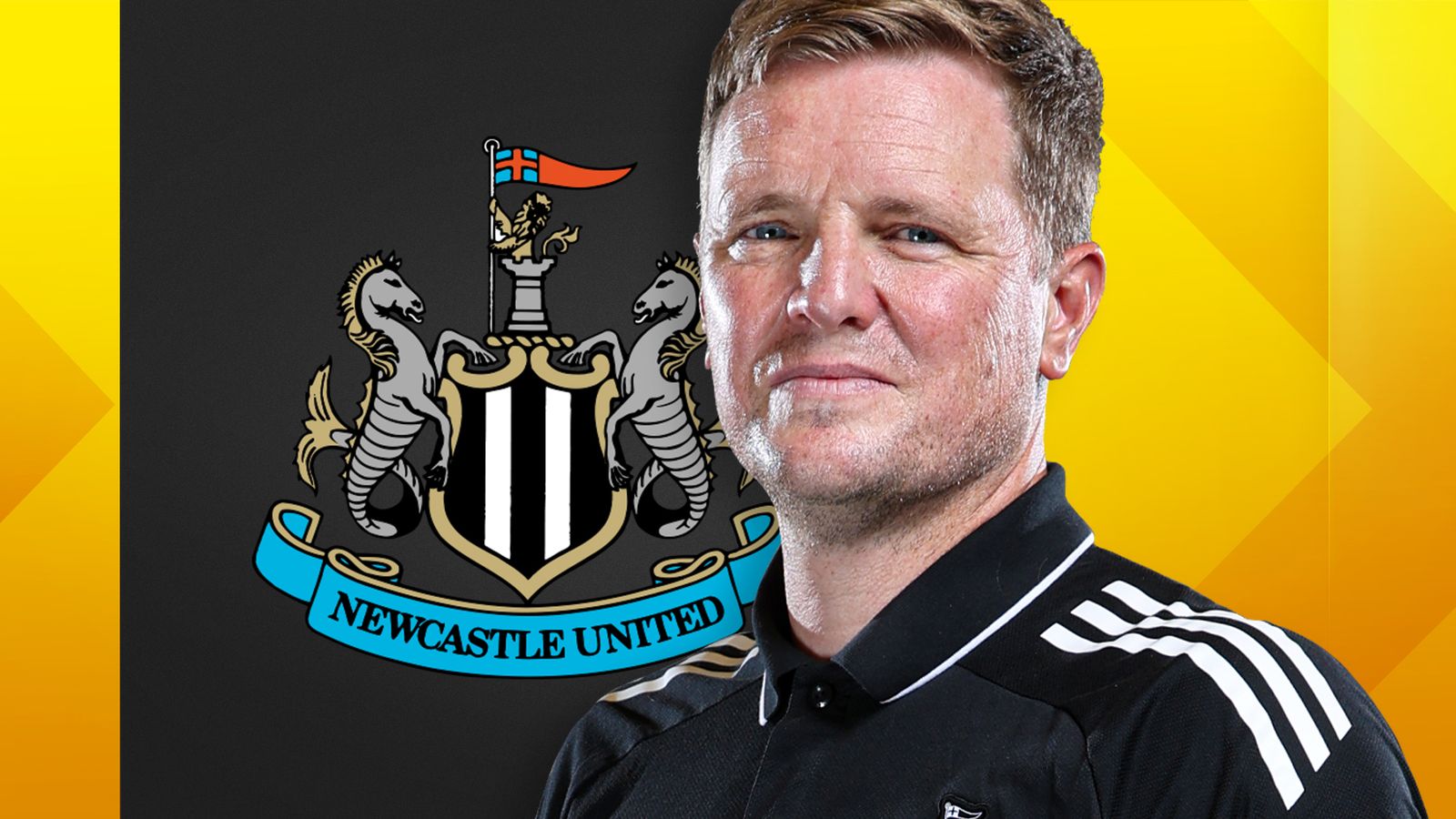
It is April 21, 2026, and the grace period for Eddie Howe has officially expired. For three years, the narrative around St. James’ Park has been one of steady, methodical progression. But as a high-powered contingent from Riyadh prepares to fly into Newcastle next week, that narrative is being replaced by a cold, hard audit. This is not a social call. When the club’s chair arrives to personally question a manager, the internal metrics have likely already turned red. The time for talking about potential and projects is over; the PIF ownership is looking for an ROI that is currently missing from the pitch.
According to The Guardian, this scheduled board meeting will focus on a decline in form that has seen Newcastle slide away from the European places. It is a regression that feels both sudden and entirely predictable. Howe’s system relies on a physical intensity that his current squad simply cannot sustain over a full season without heavy rotation, and the lack of reliable depth is finally catching up with him. The ownership isn't just looking at the table; they are looking at the lack of a Plan B when the high-press fails to result in an early goal.
The optics of this meeting are intentional. In the modern era of state-owned clubs, a manager being summoned to explain a poor run of form is the final step before the seat becomes truly hot. Howe has survived previous blips, but those occurred during phases of growth. This feels different. This is about stagnation in a league where standing still is equivalent to falling behind. The board is no longer asking how long the process will take; they are asking why the process has stalled while rivals are gearing up for the Champions League semi-finals next week.
The Anthony Gordon liquidity event
Perhaps the most alarming development for fans is the news that the board will debate the possible transfer of Anthony Gordon. This isn't just about a player wanting a new challenge; it’s about the brutal reality of Profit and Sustainability Rules (PSR). If Newcastle want to move to the next level of recruitment, they need a significant injection of cash that isn't just owner-funded. Gordon is one of the few assets on the books whose value has spiked enough to provide that headroom. Selling your most direct attacking threat to fund a rebuild is a move of desperation that signals a failure in earlier recruitment windows.
Gordon has been the spark in an otherwise sluggish Newcastle attack this season. Losing him would leave a hole that a single summer window might not be able to fill. However, the board sees the numbers. If they can extract a fee upwards of 85 million for a player they bought for significantly less, the spreadsheet wins every time. It is a cold-blooded approach to squad building that removes the sentimentality Howe has often relied on. The manager wants consistency; the owners want a squad that doesn't need its best player to do everything alone.
The debate around Gordon also highlights a rift in strategy. Howe has built a culture around a core group of players, many of whom have been with him since the early days of the takeover. The board, however, is looking at the global market. They see younger, more technically proficient options in Europe and South America that require the kind of financial flexibility only a big sale can provide. If Gordon goes, it is a clear signal that the Howe era of 'incremental improvement' is being scrapped for something more aggressive and less patient.
Tactical rigidity and the ceiling of 4-3-3
The technical reason for this decline is Howe’s stubbornness. He has tethered his reputation to a specific 4-3-3 that requires every player to operate at their physical limit. When the legs go, the system collapses. We have seen it in the recent run where Newcastle have looked like a team running in sand during the final twenty minutes of matches. The refusal to shift to a more conservative block or a three-man defense when protecting leads has cost them points that are now being discussed in Riyadh. You cannot play heavy-metal football if you only have the personnel for a chamber orchestra.
There is a recurring flaw in Howe's game management that the owners have surely noticed. He tends to make 'like-for-like' substitutions far too late, hoping that the original plan will eventually work. It’s a gamble that has failed repeatedly during this five-match winless streak. The board isn't just questioning the results; they are questioning the lack of tactical evolution. If the manager cannot adapt to the fatigue of his own squad, the owners will find someone who can. The shadow of more pedigreed European managers looms large over this scheduled meeting.
The board meeting isn't just an inquiry into the past month; it is a referendum on whether Howe is the man to lead Newcastle into the 2026/27 season.
Critics will point to injuries, but every club at the top end of the table deals with a crowded physio room. The difference is the ability to maintain a tactical identity regardless of who is on the pitch. Newcastle have lost that identity. They are currently a team that is neither elite in possession nor dominant in transition. They are caught in a middle ground that is offensive to the ambitions of a majority owner who expects to see the club competing with the likes of Manchester City and Real Madrid.
The stakes of next week's interrogation
When the contingent from Riyadh lands, they will be looking for more than just excuses about fixture congestion. They want a roadmap for the final weeks of the season and a guarantee that the slide will stop. If Howe cannot provide a convincing plan to fix the defense—which has conceded far too many soft goals lately—the 'scheduled' nature of this board meeting might just be a polite way of beginning the exit process. The board doesn't fly thousands of miles to offer a vote of confidence; they fly in to see if the person in charge is still capable of holding the wheel.
The timing is also significant. With the World Cup kicking off in less than two months, the club wants its future settled. They don't want a managerial search hanging over their summer recruitment. The meeting next week is the deadline. Howe has to prove he isn't just a transition manager who helped them survive a relegation battle and reach a cup final, but a truly elite coach who can navigate the complexities of a multi-front season. Right now, the evidence is weighted against him.
My prediction for next week is that Howe survives the meeting, but only by agreeing to a radical restructuring of the recruitment process. He will lose his say over transfers, and the sale of Anthony Gordon will be forced through to fund a new era of 'PIF-selected' stars. It is the beginning of the end for the 'local' feel of the project. The owners are taking control, and Howe is being relegated to a head coach with limited power. He will be given until the end of the season to secure a top-six finish, or he will be replaced before the first World Cup ball is kicked.
A confident prediction for the fallout
Newcastle will stabilize briefly, but the tension between the manager's vision and the board's spreadsheet will become untenable. I expect Anthony Gordon to be sold to a rival for a massive profit, and Howe will be replaced by a high-profile German or Spanish coach by June 1, 2026. The owners have seen enough to know that Howe’s ceiling is 'very good,' and they are only interested in 'world class.' It is a harsh reality, but in the world of sovereign wealth, there is no room for sentimentality or declining form.
The fans will be split, but the board's decision is already made. They are looking for someone who can manage the pressure of the UCL, not someone who struggles to keep a clean sheet against mid-table opposition. The meeting next week is merely the formalities of a divorce that has been months in the making. Newcastle is moving on, with or without Eddie Howe.